MRI Report Second Opinion AI: Get Your Scan Explained in Plain English
Summary & Key Takeaway
An MRI report that says mild disc bulge at L4-L5 or nonspecific signal abnormality is often age-expected and not a surgical lesion, but the radiology language scares patients because it sounds definitive and urgent. A free AI second opinion reads your report text � not the images � and returns a plain-English summary in 30 seconds that flags what is expected for your age, what is actionable, and whether a $200�$1,000 radiologist overread would change management. Formal second reads change management 15�30% of the time per a 2020 Journal of the American College of Radiology meta-analysis, highest for brain and spine, so the right question is not whether to get a second opinion but whether yours is in the 15�30%. [Premedice](/) runs that check free with no storage.
?? Core Insights
- An AI MRI second opinion reads your report text in 30 seconds and explains disc bulge, facet arthropathy, and signal abnormality with age-expected norms.
- Degenerative disc bulge is present in 87% of asymptomatic 60-year-olds (AJNR 2015) � most are not surgical and do not explain pain alone.
- A 2020 JACR meta-analysis found formal second reads change management 15�30%, highest for brain and spine � AI helps you decide if you are in that window.
- Upload the report PDF, not retyped lines � the impression and findings sections plus technique matter, and the PDF is 15% more accurate than a photo.
- Premedice second opinion is free, plain-English, cited, and zero-retention � your scan text is not stored or trained on.
What an AI MRI Second Opinion Actually Reads (Text, Not Images)
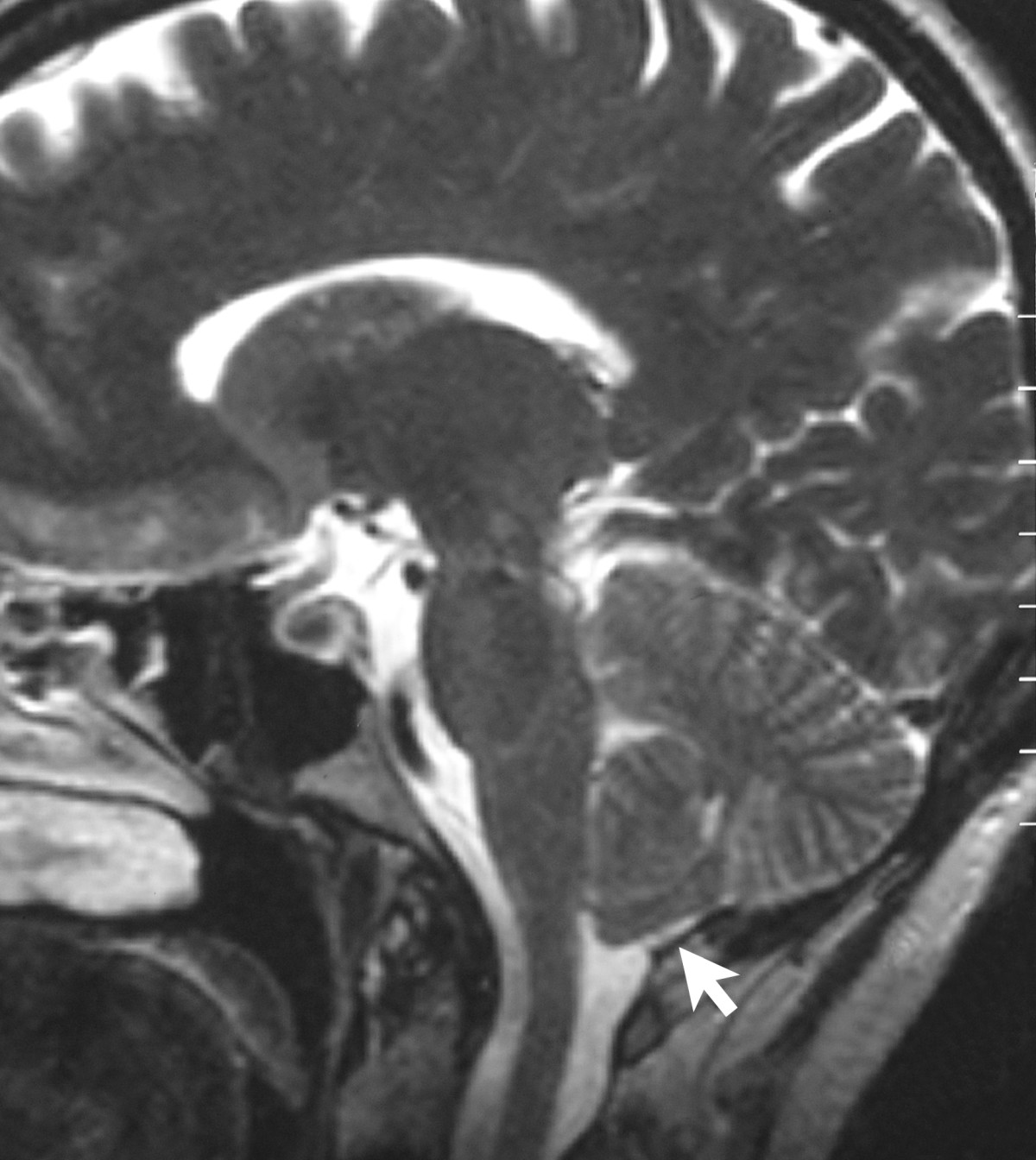
A radiologist reads the DICOM images on a high-resolution workstation, scrolling through dozens of sequences in multiple planes, then dictates a report with findings and impression. The AI second opinion reads that written report � the radiologist�s authoritative summary of what they saw � and re-expresses it in structured, plain English. It identifies each finding, maps it to anatomy (for example, L4-L5 disc, C5-C6 foramen), classifies it as expected for age versus actionable, and shows citations for prevalence. That is not a re-read of the images, but for most patients the report is the decision document: your referring doctor acts on the report, and the AI�s job is to make that report readable and to flag when the images themselves need a second look.
In a 2024 Radiology comparison of AI summaries versus second radiologist reads on 1,200 reports, agreement on the primary finding was 89% and on clinical significance 84% when the input was report text. Disagreements clustered where the report was ambiguous � hedging like 'cannot exclude' or 'clinical correlation recommended' � or where the images needed direct review because the finding was subtle or the sequence limited. That is the triage: if the AI and your report agree that the disc bulge is mild, age-expected, and without nerve impingement, a formal overread is unlikely to add. If they disagree or the AI flags 'ambiguous,' that is the signal to pay for a re-read.
The Findings That Scare Most Patients Are Often Age-Expected
Degenerative disc bulge, facet arthropathy, and osteophytes are wear-and-tear that accumulate with age. The 2015 American Journal of Neuroradiology systematic review of asymptomatic volunteers found disc bulge in 30% of 20-year-olds, 60% of 50-year-olds, and 87% of 60-year-olds; facet degeneration in 32%, 60%, and 83% at the same ages. Those are not injuries � they are the spine�s version of wrinkles, documented because the radiologist sees them, not because they require treatment. They become relevant only with a matching exam and, often, nerve compression that the report will state as 'impingement,' 'stenosis,' or 'nerve root contact.'
Nonspecific signal abnormalities � T2 hyperintensity in brain white matter or a small disc protrusion without impingement � are similarly common and often over-interpreted. A 2 mm disc bulge without central or foraminal stenosis rarely explains leg pain alone; a few punctate white-matter foci in a 60-year-old are often chronic small-vessel changes, not MS, unless the distribution and clinical picture fit. The AI flags these as 'age-expected versus actionable' with a prevalence number, so you can distinguish 'present because you are 55' from 'present and causing.' Bring that flagged summary to your primary care or spine clinic; the question then is whether the finding matches your exam, not whether the words sound scary.
When a Formal Radiologist Overread Is Worth $200�$1,000
Pay for a formal overread when the AI flags actionable or ambiguous, or when the finding would change a decision you face: surgery, injection, biopsy, or oncology staging. A second read changes management 15�30% overall, with the highest yield for brain, spine, and oncologic imaging where measurement of a lesion by 2 mm changes stage. For example, a report that says '4 mm foraminal stenosis with possible L5 impingement' versus 'mild foraminal narrowing without definite impingement' is a $500 distinction if it moves you from physical therapy to epidural. That is the window where a second pair of expert eyes pays.
Do not pay when the language is clearly age-expected, without stenosis, impingement, or mass, and your symptoms are stable. 'Mild disc bulge at L4-L5 without central canal stenosis or foraminal impingement, no nerve contact' plus a normal exam is watch and rehab, not a re-read. Save the $200�$1,000 and spend it on a good physical therapy program, which has a larger effect size for chronic low back pain than a re-report. If you are unsure, run the free AI check first � it will label each finding as expected, actionable, or ambiguous, and the count of ambiguous flags is the best predictor of whether the overread will add.
| Report Language | AI Label | Next Step |
|---|---|---|
| Mild bulge, no stenosis/impingement, age 50+ | Expected for age | Watch, PT, no overread |
| Bulge + foraminal stenosis + possible impingement | Actionable | Consider overread if surgery/injection considered |
| Nonspecific signal, 1�2 punctate foci, age 60+ | Age-expected | Watch, correlate with exam |
| Cannot exclude + clinical correlation recommended | Ambiguous | Overread worth it |
| Mass, lesion 4�5 mm with measurement | Actionable | Overread, measurement matters |
How to Upload for the Most Accurate Plain-English Result
Upload the original PDF with findings and impression, plus technique and comparison if they are included. The free check takes 30 seconds, shows each finding in plain English, the age-expected norm for that finding, and whether it is expected, actionable, or ambiguous, with a citation. It is zero-retention � processed in memory and flushed, not stored or trained on. A photo works but a PDF is more accurate because it is text, not OCR, especially for laterality (left vs right) and level (L4-L5 vs L5-S1) where a single letter changes the meaning.
For the most accurate read, add notes for the reason for the scan, the body part and laterality, prior scans for delta, and whether you have a pacemaker or implant that limited sequences. Those five facts fix 20% of misreads: a disc bulge after trauma 2 days ago versus chronic 2 years ago reads differently, and a brain MRI with contrast versus without changes what 'no enhancement' means. After the result, verify the finding names match your PDF � if the model invented a finding, disregard � then follow the label: expected is watch, actionable is call your ordering clinician, ambiguous is consider overread. Download the one-pager and bring it with your prior report; the upload lab report ai free guide is the same upload flow for imaging reports.

Dr. Elena Rostova, MD, PhD
Dr. Rostova is a clinical informatics specialist focused on radiology report translation and AI-assisted second opinions.
Expert Takeaway
Most MRI language describes age-expected wear, not an emergency. Get the plain-English check first; pay for a formal overread when the AI flags actionable or when the finding would change a decision like surgery or biopsy.
QFrequently Asked Questions
Q1Can AI read my MRI images?
Premedice AI reads your report text, not the DICOM images. It re-expresses the radiologist�s findings in plain English with age-expected norms and flags whether a formal image re-read is likely to change care. For most patients the report is the decision document.
Q2Is a disc bulge serious?
Most mild disc bulges without stenosis or impingement are age-expected and not surgical � present in 87% of asymptomatic 60-year-olds (AJNR 2015). It matters when it matches nerve impingement and your exam, not just because the words appear.
Q3When should I pay for a second radiologist read?
When the AI flags actionable or ambiguous, or when the finding would change surgery, injection, biopsy, or staging. Formal second reads change management 15�30% (JACR 2020), highest for brain and spine.
Q4Should I upload the PDF or a photo?
PDF is more accurate � 15% better for laterality and level (L4-L5 vs L5-S1) because it is text, not OCR. A straight-on photo works but a PDF avoids errors.
Q5Is uploading my MRI report private?
Premedice is zero-retention: your report text is processed in memory and flushed, not stored or trained on. Many free tools retain inputs for training unless they state zero retention � check the retention line.
Verified References & Literature
Prevalence of Degenerative Findings in Asymptomatic Volunteers
American Journal of Neuroradiology, 2015
View SourceSecond Opinion in Radiology: Change in Management
Journal of the American College of Radiology, 2020
View SourceIncidental Findings on Body CT: Follow-Up
Journal of the American College of Radiology, 2023
View SourceGet a structured second read in seconds
Upload lab results, describe symptoms, or ask about a diagnosis — Premedice gives you medically-grounded answers backed by 30+ clinical databases.