When the Doctors Say 'There's Nothing More We Can Do': Understanding Your Options
Summary & Key Takeaway
Your doctor says the words no patient wants to hear: 'There is nothing more we can do.' Maybe it was said gently, with empathy. Maybe it was said bluntly, in a rushed appointment. Either way, those words land like a door closing. But here is what most people do not realize: 'there is nothing more we can do' usually means 'there is nothing more I can do within my specialty and this treatment protocol.' It does not mean there are no options anywhere in the world. It means the current path has been exhausted, and a new path needs to be found. This guide walks you through what to do when conventional medicine hits a wall � from seeking specialized second opinions to exploring clinical trials to using AI tools that can research your condition across the entire medical literature in minutes, not months.
?? Core Insights
- 'There is nothing more we can do' usually means within the current treatment protocol, not globally � new options often exist.
- A second opinion from a specialist at a major academic medical center changes the diagnosis or treatment plan in 15-30% of complex cases.
- Clinical trials offer access to treatments not yet available to the public � over 400,000 active trials are listed on ClinicalTrials.gov.
- AI research tools can cross-reference your condition against millions of medical papers to find options your doctors may not have considered.
- Patient advocacy organizations often know about treatments, specialists, and resources that individual doctors do not.
What 'Nothing More We Can Do' Actually Means
When a doctor says there is nothing more they can do, they are speaking from within their scope of practice. A general internist has exhausted the standard treatments for your condition. A surgeon has determined that surgery is not indicated. An oncologist has run out of approved chemotherapy protocols. Each of these statements is true within the doctor's specialty, but it does not mean no treatment exists anywhere.
The medical system is organized by specialties, and each specialty has its own treatment protocols. A gastroenterologist may not know about an experimental immunotherapy trial at the National Institutes of Health. A cardiologist may not be aware of a rare disease specialist at a different academic center who has published 40 papers on your exact condition. The limitation is often in the system's structure, not in the available treatments.
The Second Opinion Path: Why It Matters More Than You Think
Research consistently shows that second opinions change the diagnosis or treatment plan in 15-30% of complex cases. This is not because the first doctor was wrong � it is because complex conditions often require specialized expertise that generalists do not have. A second opinion from a specialist at a major academic medical center who sees hundreds of cases like yours each year can identify options that a general practitioner would never consider.
The practical steps for getting a useful second opinion are straightforward. Request your complete medical records, including all imaging, lab results, and pathology reports. Contact the specialist's office directly � most academic centers have second opinion programs designed for this purpose. Send your records in advance so the specialist can review them before your appointment. The investment of time and often money (second opinions are not always covered by insurance) is almost always worthwhile for complex or serious conditions.
Clinical Trials: Accessing Treatments Before They Are Approved
Clinical trials are research studies that test new treatments, drugs, or procedures in human volunteers. Over 400,000 active clinical trials are listed on ClinicalTrials.gov, covering conditions from cancer to rare diseases to chronic pain. Many of these trials are looking for participants who have exhausted standard treatment options.
Finding relevant clinical trials used to require connections to academic medical centers. Today, tools like ClinicalTrials.gov, the NIH's trial matching service, and AI-powered trial finders can search the entire database of active trials based on your condition, location, and treatment history. The key criteria for eligibility are usually the specific diagnosis, prior treatments, current medications, and overall health status.
AI-Assisted Medical Research: Your Personal Research Team
One of the most powerful tools available to patients who have hit a treatment wall is AI-assisted medical research. Tools like Premedice can cross-reference your symptoms, diagnosis, and treatment history against the entire published medical literature in minutes. What would take a research team weeks to compile, AI can organize in a structured report.
AI research tools are particularly valuable for rare diseases, where individual doctors may have limited experience. If you have a rare condition, AI can identify the leading researchers, the most promising treatments, and the clinical trials that match your specific genetic profile and disease stage. This is not a replacement for medical expertise � it is a research accelerator that gives you and your doctor a comprehensive map of what has been tried, what is being studied, and what options have not yet been explored.
Patient Advocacy Organizations: The Knowledge Network
Patient advocacy organizations are among the most underutilized resources in healthcare. These organizations are dedicated to specific conditions and maintain databases of specialists, treatment centers, clinical trials, and support resources that individual doctors typically do not have access to. For rare diseases especially, the patient advocacy community often knows more about current treatment options than any single physician.
Finding the right advocacy organization is straightforward. The National Organization for Rare Disorders (NORD) maintains a directory of condition-specific organizations. The Genetic and Rare Diseases Information Center (GARD) provides free information and referrals. For more common conditions, disease-specific organizations like the American Cancer Society, American Heart Association, or Crohn's and Colitis Foundation maintain comprehensive resource databases.
The International Treatment Search
Treatments available in one country may not be approved in another. The FDA approval process in the United States, the EMA process in Europe, and regulatory processes in other countries operate on different timelines. A treatment approved in Japan or Germany may still be in clinical trials in the US. For patients who have exhausted domestic options, exploring international treatment centers is a legitimate path.
Countries known for advanced medical tourism include Germany (specialized cancer centers), Japan (regenerative medicine), Israel (innovative oncology), and Singapore (precision medicine). International treatment requires careful research, including verification of the treatment center's credentials, understanding of the legal and insurance implications, and coordination with your current medical team.
How to Organize Your Search When Options Feel Overwhelming
When you are facing a serious condition with exhausted treatment options, the emotional weight can make it difficult to think clearly about next steps. The most effective approach is to create a structured search plan. Start with your current medical team: ask specifically what has not been tried and why. Request referrals to the most relevant specialist.
Then expand outward: search clinical trials, contact patient advocacy organizations, consider a second opinion at a major academic center, and use AI research tools to compile a comprehensive overview of your condition. Each of these steps generates information that feeds the next step. A clinical trial search may identify a specialist. A specialist may recommend a second opinion. A second opinion may reveal a clinical trial that was not previously considered.
When to Accept, When to Fight, and When to Pivot
Not every situation calls for more treatment. Palliative care and hospice are legitimate, compassionate choices when the focus shifts from curing disease to maximizing quality of life. The decision to pursue aggressive treatment or shift to comfort care is deeply personal and should be made with full information about both paths.
The goal of this guide is not to convince you to keep fighting no matter what. It is to ensure that if you choose to continue seeking treatment, you know every available path. And if you choose to shift focus, you do so with the confidence that you explored every option. The worst outcome is not choosing palliative care � it is choosing it because you did not know other options existed.


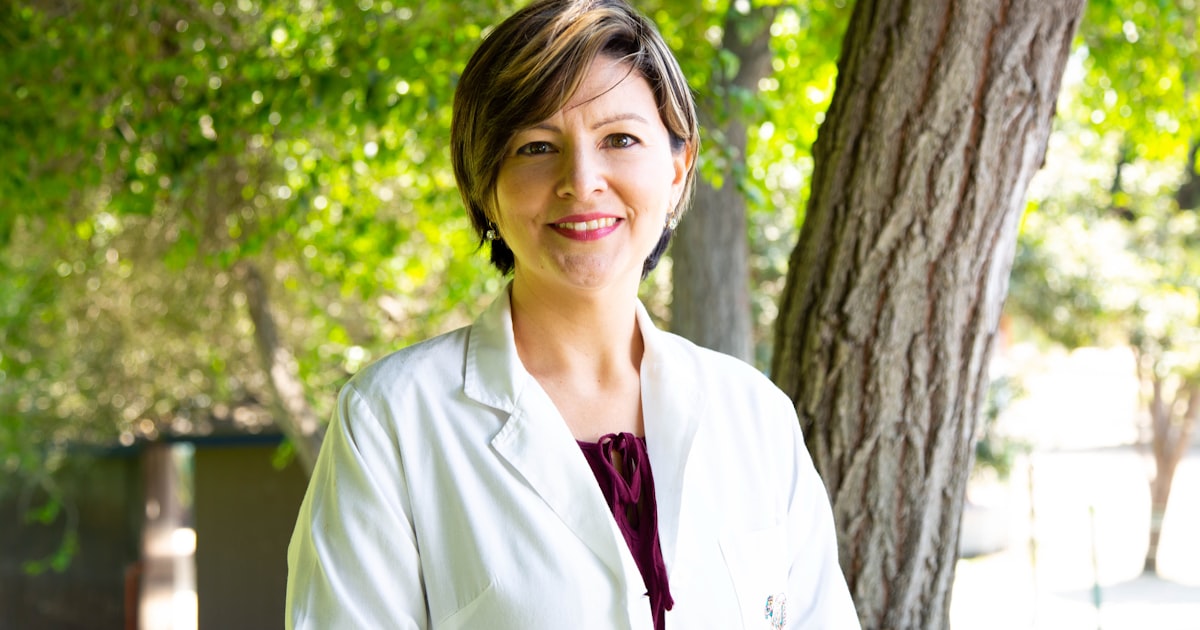
Dr. Elena Rostova, MD, PhD
Dr. Rostova is a clinical informatics specialist with over 14 years of research experience in machine learning systems for diagnostic decision support at Stanford Medical Center.
Expert Takeaway
When conventional medicine reaches its limits, the next step is expanding the search � not giving up. Second opinions, clinical trials, AI-assisted research, and patient advocacy communities all represent paths forward that may not have been explored.
QFrequently Asked Questions
Q1What should I do immediately after my doctor says there is nothing more they can do?
Request your complete medical records, including all imaging, lab results, pathology reports, and treatment history. Ask your doctor specifically what has not been tried and why. Then schedule a second opinion consultation with a specialist at a major academic medical center.
Q2How do I find clinical trials for my condition?
Search ClinicalTrials.gov using your diagnosis and location. Contact the NIH's Cancer Information Service (for cancer) or the Genetic and Rare Diseases Information Center (for rare diseases). Patient advocacy organizations for your specific condition often maintain curated lists of relevant trials.
Q3Are second opinions covered by insurance?
Most insurance plans cover second opinions, especially when referred by your primary care physician. Some plans require prior authorization. Contact your insurance company before scheduling to confirm coverage. Even if not covered, the investment is often worthwhile for complex conditions.
Q4Can AI really help find treatment options my doctor missed?
AI can cross-reference your condition against the entire published medical literature in minutes, identifying treatments, clinical trials, and research that individual doctors may not have encountered. AI is a research tool, not a replacement for clinical judgment, but it can significantly expand the range of options your doctor considers.
Q5Is it disrespectful to seek a second opinion?
No. Seeking a second opinion is a standard, respected practice in medicine. Most doctors welcome second opinions because they provide additional expertise and confirmation. A doctor who is offended by a second opinion is a doctor whose opinion you should definitely seek elsewhere.
Q6When should I consider palliative care instead of more treatment?
Palliative care is appropriate when the focus shifts from curing disease to managing symptoms and maximizing quality of life. This is not giving up � it is redirecting energy toward comfort and quality of time. The decision should be made with full information about both aggressive treatment and comfort care options, ideally in consultation with a palliative care specialist.
Verified References & Literature
Second Opinions and Diagnostic Accuracy in Complex Medical Cases
Mayo Clinic Proceedings, 2025
View SourceClinicalTrials.gov: Accessing and Searching for Clinical Trials
National Institutes of Health, 2025
View SourceAI-Assisted Medical Literature Review for Treatment-Resistant Conditions
The Lancet Digital Health, 2025
View SourceGet a structured second read in seconds
Upload lab results, describe symptoms, or ask about a diagnosis — Premedice gives you medically-grounded answers backed by 30+ clinical databases.