AI and Rare Diseases: How Machine Learning Is Finding Answers Doctors Can't
Summary & Key Takeaway
You have been to five different doctors. Each one has run tests, ordered imaging, and concluded that nothing is wrong. But something IS wrong — you can feel it. Your symptoms are real, they are worsening, and no one can explain them. This is the experience of an estimated 30 million Americans living with rare diseases, many of whom wait an average of 5-7 years for a correct diagnosis. The problem is not that rare diseases are untreatable — it is that most doctors have never seen one. With over 7,000 known rare diseases and an average physician seeing fewer than a handful in their entire career, the probability of a correct diagnosis by chance is vanishingly small. AI changes this equation. By cross-referencing your symptoms against the entire universe of rare conditions, AI can identify possibilities that no single doctor would consider. This guide explains how AI is transforming rare disease diagnosis, what the technology can and cannot do, and how to use it effectively if you suspect you have an undiagnosed condition.
?? Core Insights
- Over 7,000 rare diseases affect 30 million Americans, with an average diagnostic delay of 5-7 years.
- Most doctors will never see a rare disease in their career, making pattern recognition impossible for individual clinicians.
- AI can cross-reference your complete symptom profile against all 7,000+ known rare diseases simultaneously.
- Genetic testing combined with AI analysis is the most powerful tool for diagnosing rare diseases with a genetic component.
- Patient advocacy organizations for rare diseases maintain databases of specialists, treatments, and clinical trials that individual doctors do not have access to.
Try it yourself — free
Experience the medical AI that powers this article. Ask questions, check symptoms, or analyze lab results.
Not sure which tool fits? Compare what Premedice does.
The Rare Disease Diagnostic Odyssey: Why It Takes So Long
The average rare disease patient sees 7.3 physicians over 5.6 years before receiving a correct diagnosis. This diagnostic odyssey occurs because rare diseases, by definition, are conditions that individual doctors rarely encounter. A neurologist who has never seen Friedreich's ataxia will not recognize its characteristic pattern. A gastroenterologist unfamiliar with eosinophilic esophagitis may attribute the symptoms to acid reflux.
The problem is compounded by the sheer number of rare diseases. With over 7,000 known rare conditions, no physician can hold them all in memory. The average medical student learns about perhaps 200-300 conditions in detail. The rest are encountered only in textbooks, if at all. This creates a systematic blind spot: conditions that are well-documented in the medical literature but invisible to the clinicians who need to recognize them.
How AI Overcomes the Rare Disease Knowledge Gap
AI rare disease diagnostic tools are trained on the complete medical literature, including case reports, clinical guidelines, genetic databases, and phenotypic databases like OMIM (Online Mendelian Inheritance in Man) and Orphanet. This training data encompasses all 7,000+ known rare diseases, not just the 200-300 that physicians typically know well.
When you input your symptoms into an AI rare disease tool, the system compares your complete phenotypic profile against the entire database of known rare conditions. It identifies conditions that match your symptom pattern, weighted by the specificity and rarity of each symptom. The output is a ranked list of possible rare diseases, each with an explanation of how well it matches your presentation and what confirmatory tests would establish the diagnosis.
The Symptom Patterns That Suggest a Rare Disease
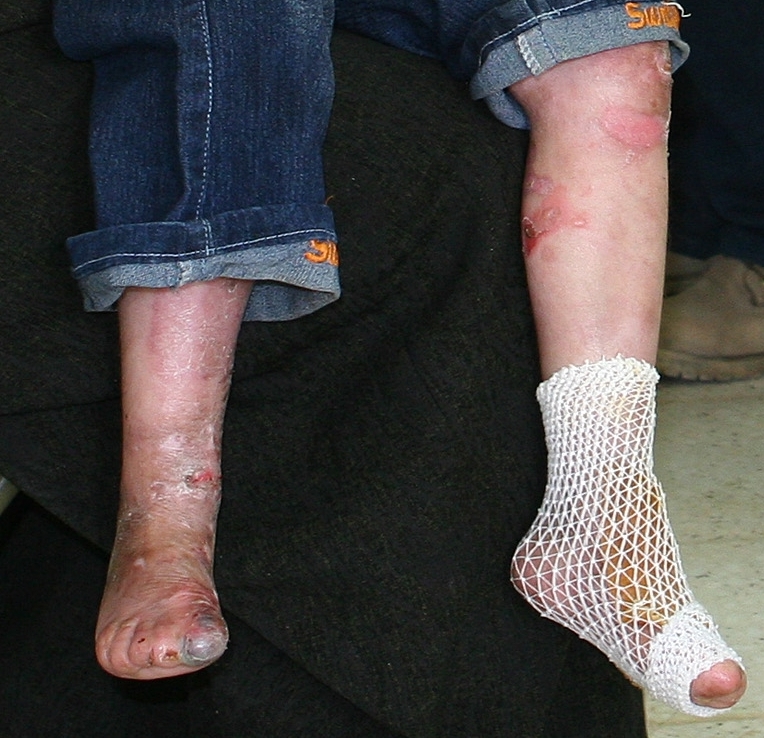
Certain symptom patterns should raise suspicion for a rare disease. Multi-system involvement (symptoms affecting multiple organ systems) is a red flag, especially when each specialist finds nothing in their domain. Progressive symptoms that worsen over time despite normal testing suggest a condition that standard tests are not designed to detect.
Family history of similar symptoms, consanguinity (parents who are related), symptoms that began in childhood or adolescence, and the presence of dysmorphic features (unusual facial or body features) are all indicators that a genetic rare disease may be present. The combination of normal standard testing with significant symptoms is the hallmark of the rare disease diagnostic odyssey.
Genetic Testing: The Most Powerful Tool for Rare Disease Diagnosis
Approximately 72% of rare diseases have a genetic component. Genetic testing has become the most powerful tool for diagnosing these conditions. Whole exome sequencing (WES) analyzes the protein-coding regions of all 20,000 genes, identifying variants that may cause disease. Whole genome sequencing (WGS) analyzes the entire genome, including non-coding regions.
The diagnostic yield of genetic testing varies by condition. For patients with a strong clinical suspicion of a genetic rare disease, WES achieves a diagnostic rate of 25-40%. When combined with AI phenotypic analysis, the diagnostic rate improves further because the AI can guide the genetic testing toward the most relevant genes based on the symptom profile.
How to Prepare for AI Rare Disease Analysis
The quality of AI rare disease analysis depends on the completeness and accuracy of your symptom documentation. For each symptom, record: what it feels like, when it started, how it has progressed, what makes it better or worse, and how it affects your daily life. Include symptoms that seem minor or unrelated — in rare disease diagnosis, seemingly insignificant symptoms are often the key findings.
Include your complete medical history: every doctor you have seen, every test that has been performed (including normal results), every medication you have tried, and every diagnosis that has been considered and ruled out. Include your family history: any relatives with similar symptoms, any known genetic conditions, and any pregnancy complications or childhood deaths in the family.
The Role of Patient Advocacy in Rare Disease Diagnosis
Patient advocacy organizations are among the most valuable resources for rare disease patients. These organizations maintain databases of specialists who have expertise with specific rare conditions, compile treatment protocols and management guidelines, and connect patients with others who have the same condition.
The National Organization for Rare Disorders (NORD) maintains a comprehensive directory of condition-specific organizations. The Genetic and Rare Diseases Information Center (GARD) provides free information and referrals. Global Genes provides resources and advocacy tools. These organizations often know about treatments and specialists that individual doctors do not, and they can help navigate the diagnostic and treatment process.
What Happens After a Rare Disease Diagnosis
Receiving a rare disease diagnosis after years of uncertainty is both a relief and a beginning. The relief comes from finally having an explanation for your symptoms. The beginning is the start of a management plan that may involve specialized treatments, monitoring, lifestyle modifications, and support services.
Many rare diseases have targeted treatments that have been developed in the last decade, driven by advances in genetic medicine and orphan drug development. Clinical trials for rare diseases are actively recruiting patients, and patient advocacy organizations can help identify relevant trials. The diagnosis is not an endpoint — it is the starting point for accessing the care and support you need.
The Future of AI in Rare Disease Medicine
AI is rapidly improving in its ability to diagnose rare diseases. Multi-modal AI that combines symptom analysis, genetic data, imaging, and electronic health records is achieving diagnostic accuracy that approaches expert geneticists. Natural language processing that can read the complete medical record and extract phenotypic information is reducing the manual work required for analysis.
The integration of AI into clinical workflows is also accelerating rare disease diagnosis. Tools that flag potential rare diseases based on electronic health record data can identify patients who should be referred for genetic testing, even when their symptoms are scattered across multiple specialist visits. This proactive identification has the potential to reduce the diagnostic odyssey from years to months.
Ready to try Premedice?
Get instant, AI-powered explanations of your lab results and symptoms — powered by 300+ medical databases.
Continue Reading

Most Popular
Best AI Medical Models in 2026: MedQA Scores Compared
ResearchMedGemma: Open-Source Medical AI That Runs on Your Hardware
TechnologyMed-PaLM 2: 86.5% MedQA Score, Zero Doctors Using It (2026)
ResearchAI Symptom Checker Architecture: How Premedice Cuts Hallucinations 3.8x
TechnologyMedical AI Privacy: AES-256 + Zero-Knowledge Architecture
SecurityDr. Elena Rostova, MD, PhD
Dr. Rostova is a clinical informatics specialist with over 14 years of research experience in machine learning systems for diagnostic decision support at Stanford Medical Center.
Expert Takeaway
AI is uniquely positioned to help with rare disease diagnosis because it has no availability bias and can consider the full universe of medical conditions simultaneously. For patients who have been through multiple specialists without answers, AI rare disease analysis is a genuine diagnostic tool.
Browse by Topic
QFrequently Asked Questions
Q1How do I know if I might have a rare disease?
Red flags include: symptoms affecting multiple body systems, progressive symptoms that worsen over time, normal standard testing despite significant symptoms, family history of similar symptoms, and symptoms that began in childhood or adolescence. If you have seen multiple specialists without answers, consider rare disease evaluation.
Q2Can AI really diagnose rare diseases?
AI can generate a ranked list of possible rare diseases based on your symptom profile. This list serves as a starting point for genetic testing and specialist evaluation. AI does not replace clinical evaluation but significantly narrows the diagnostic search.
Q3What genetic testing should I ask for?
Whole exome sequencing (WES) is the most appropriate first-line genetic test for most patients with suspected rare diseases. Whole genome sequencing (WGS) may be recommended if WES is inconclusive. Discuss with your doctor or a genetic counselor to determine the most appropriate test.
Q4How do I find a specialist for a rare disease?
Patient advocacy organizations for your specific condition maintain lists of specialists. NORD and GARD can help identify specialists. Academic medical centers with genetics departments are also good starting points.
Q5Are there treatments for rare diseases?
Many rare diseases have targeted treatments, and the number is growing rapidly. Orphan drug development has produced effective treatments for hundreds of rare diseases in the last decade. Clinical trials are actively recruiting patients for many conditions.
Q6How long does rare disease diagnosis typically take?
The average diagnostic delay is 5-7 years, but AI tools and genetic testing are reducing this timeline significantly. Patients who use AI analysis and pursue genetic testing early in the diagnostic process often receive answers faster than those who follow the traditional specialist-referral pathway.
Verified References & Literature
Whole Exome Sequencing in Rare Disease Diagnosis: A Clinical Guidelines
American College of Medical Genetics, 2024
View SourceThe Diagnostic Odyssey: Patient Experiences with Rare Disease Diagnosis
Orphanet Journal of Rare Diseases, 2025
View SourceGet a structured second read in seconds
Upload lab results, describe symptoms, or ask about a diagnosis — Premedice gives you medically-grounded answers backed by 30+ clinical databases.