Virtual Doctor Visit: AI Consultation Available 24/7
Need medical advice at 2 AM? Premedice's AI doctor is available 24/7 with no appointment, no wait, and no signup. Get instant answers to your health questions anytime.
Expert analysis on medical AI, clinical diagnostics, and evidence-based patient education. Medically reviewed and verified.

Need medical advice at 2 AM? Premedice's AI doctor is available 24/7 with no appointment, no wait, and no signup. Get instant answers to your health questions anytime.

Get a personalized health risk score based on your symptoms, lab results, and medical history. Premedice's AI analyzes your data and flags risks before they become problems.

Undiagnosed for years? AI can connect symptoms no doctor links together. See how Premedice's diagnostic AI identifies rare diseases and helps you find answers.

An AI mental health assessment screens for anxiety, depression, and burnout in 3 minutes. See how Premedice's AI evaluates your mental health and connects you to next steps.

An AI doctor gives you instant medical answers without waiting rooms or copays. See how Premedice's free AI doctor reads your symptoms, lab results, and medical questions in plain English.

An AI symptom checker analyzes your symptoms in real time and gives you possible conditions ranked by likelihood. See how Premedice's dual-model checker works and when it beats a GP visit.

A 13,917-patient study found AI diagnosed better than doctors in 53% of cases. See what AI can and cannot diagnose, and how to use Premedice's diagnostic AI today.

HbA1c is the gold standard for diabetes screening. Learn what the numbers mean, how the test works, and what your result says about your long-term blood sugar control.

Your lipid panel is the window into your heart disease risk. Learn what LDL, HDL, triglycerides, and total cholesterol really mean — and which numbers to focus on.

We compared every major medical AI model on MedQA, HealthBench, and real-world clinical performance. Here's what actually works — and what's just hype.

We tested 8 AI doctor apps on accuracy, privacy, price, and clinical scope. Here's which ones actually work — and which to skip.

Medical AI vs general AI explained: key differences in training, accuracy, safety, and deployment. Why specialized medical models still matter even as general-purpose AI catches up on benchmarks.

Premedice vs DrKhan compared: accuracy, privacy, features, price, and clinical scope. Side-by-side breakdown to help you pick the right AI doctor app.

We compare every major AI doctor product available in August 2026 — Doctronic, DrKhan, Medwise, Medical Student AI, DRAI, ChatGPT Health, Google Health AI, and Premedice — on accuracy, privacy, price, and clinical scope, so you know exactly which one to trust and when.

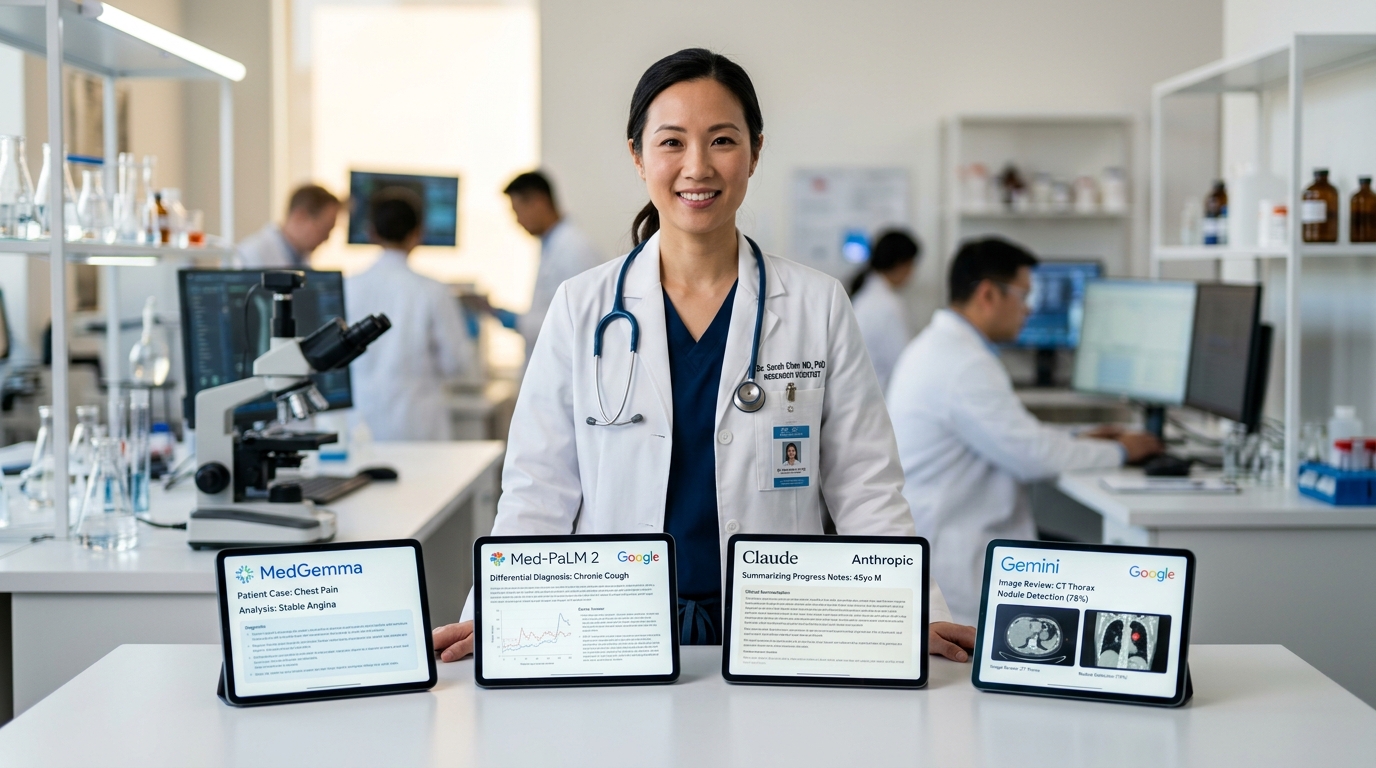
Every medical AI product that matters in August 2026 — MedGemma, Med-PaLM 2, ChatGPT Health, Google Health AI, Medwise, DRAI, Medical Student AI, and Premedice — compared on training data, deployment, regulation, accuracy, and clinical outcomes.

How the eight leading diagnostic AI products — Doctronic, DrKhan, Medwise, DRAI, Medical Student AI, ChatGPT Health, Google Health AI, and Premedice — actually generate a differential diagnosis, where each one is strongest, where each one fails, and what a clinician or patient should do with the output.

Head-to-head comparison of AI doctor tools against Doctronic in August 2026 — accuracy benchmarks, privacy posture, price, deployment model, and when each one is the right call.

Head-to-head comparison of AI doctor tools against DrKhan.ai in August 2026 — accuracy benchmarks, privacy posture, price, deployment model, and when each one is the right call.


Head-to-head comparison of AI doctor tools against Medwise in August 2026 — accuracy benchmarks, privacy posture, price, deployment model, and when each one is the right call.
Head-to-head comparison of AI doctor tools against Medical Student AI in August 2026 — accuracy benchmarks, privacy posture, price, deployment model, and when each one is the right call.
Head-to-head comparison of AI doctor tools against DRAI in August 2026 — accuracy benchmarks, privacy posture, price, deployment model, and when each one is the right call.

Head-to-head comparison of AI doctor tools against ChatGPT Health in August 2026 — accuracy benchmarks, privacy posture, price, deployment model, and when each one is the right call.

Head-to-head comparison of AI doctor tools against Google Health AI in August 2026 — accuracy benchmarks, privacy posture, price, deployment model, and when each one is the right call.

Head-to-head comparison of AI doctor tools against Nature / npj Digital Medicine coverage in August 2026 — accuracy benchmarks, privacy posture, price, deployment model, and when each one is the right call.

Head-to-head comparison of medical AI tools against Doctronic in August 2026 — accuracy benchmarks, privacy posture, price, deployment model, and when each one is the right call.

Head-to-head comparison of medical AI tools against DrKhan.ai in August 2026 — accuracy benchmarks, privacy posture, price, deployment model, and when each one is the right call.

Head-to-head comparison of medical AI tools against Medwise in August 2026 — accuracy benchmarks, privacy posture, price, deployment model, and when each one is the right call.

Head-to-head comparison of medical AI tools against Medical Student AI in August 2026 — accuracy benchmarks, privacy posture, price, deployment model, and when each one is the right call.

Head-to-head comparison of medical AI tools against DRAI in August 2026 — accuracy benchmarks, privacy posture, price, deployment model, and when each one is the right call.

Head-to-head comparison of medical AI tools against ChatGPT Health in August 2026 — accuracy benchmarks, privacy posture, price, deployment model, and when each one is the right call.

Head-to-head comparison of medical AI tools against Google Health AI in August 2026 — accuracy benchmarks, privacy posture, price, deployment model, and when each one is the right call.

Head-to-head comparison of medical AI tools against Nature / npj Digital Medicine coverage in August 2026 — accuracy benchmarks, privacy posture, price, deployment model, and when each one is the right call.

Head-to-head comparison of diagnosis AI tools against Doctronic in August 2026 — accuracy benchmarks, privacy posture, price, deployment model, and when each one is the right call.

Head-to-head comparison of diagnosis AI tools against DrKhan.ai in August 2026 — accuracy benchmarks, privacy posture, price, deployment model, and when each one is the right call.

Head-to-head comparison of diagnosis AI tools against Medwise in August 2026 — accuracy benchmarks, privacy posture, price, deployment model, and when each one is the right call.

Head-to-head comparison of diagnosis AI tools against Medical Student AI in August 2026 — accuracy benchmarks, privacy posture, price, deployment model, and when each one is the right call.

Head-to-head comparison of diagnosis AI tools against DRAI in August 2026 — accuracy benchmarks, privacy posture, price, deployment model, and when each one is the right call.

Head-to-head comparison of diagnosis AI tools against ChatGPT Health in August 2026 — accuracy benchmarks, privacy posture, price, deployment model, and when each one is the right call.

Head-to-head comparison of diagnosis AI tools against Google Health AI in August 2026 — accuracy benchmarks, privacy posture, price, deployment model, and when each one is the right call.

Head-to-head comparison of diagnosis AI tools against Nature / npj Digital Medicine coverage in August 2026 — accuracy benchmarks, privacy posture, price, deployment model, and when each one is the right call.

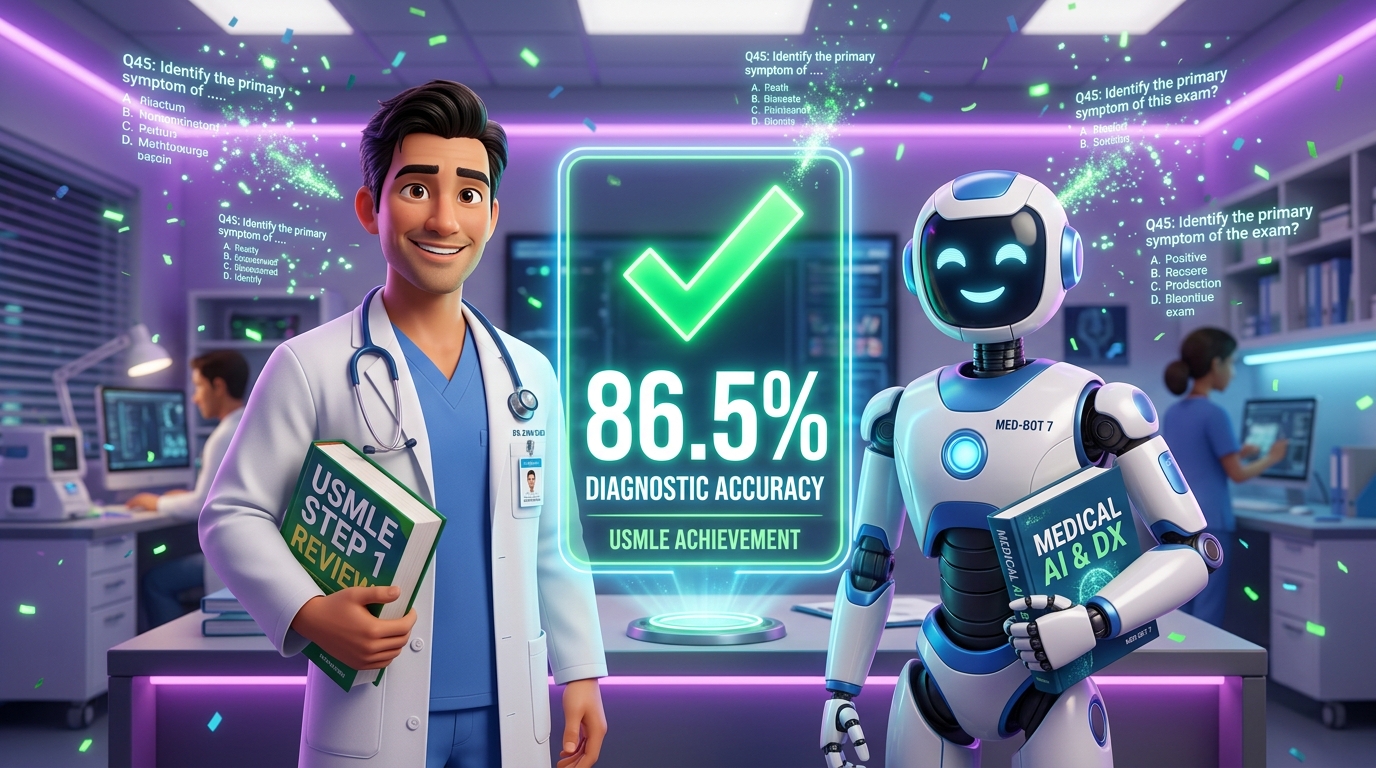
Med-PaLM 2 scored 86.5% on MedQA and beat physicians on 8 of 9 axes � yet 0 clinicians use it daily. See why benchmark accuracy doesn't equal bedside trust, and how Premedice ensemble fixes the gap.

Blood work without insurance costs $15�$250 per test, $100�$600 for a full panel. See real cash prices, where to get cheap labs, and how to get a free AI explanation of your results in 30 seconds.

It's 2 AM and you have chest tightness, a headache, or a child's fever. Learn what a free AI symptom checker can tell you in 60 seconds, what it can't, and the red flags that mean go to the ER now.

Most free AI health tools are not HIPAA compliant and store your data for training. Learn what zero-knowledge architecture means, how Premedice keeps no record, and what to ask before you upload.

We compare Premedice, Ada, Buoy, and Ubie on accuracy, lab upload, privacy, price, and API. See the 2026 head-to-head table and which checker is best for patients vs builders.

Can AI diagnose your symptoms? Evidence from 2024�2026 trials shows 70�84% urgency accuracy with complete inputs, but diagnosis still needs exam and labs. See where AI wins and where it fails.

Medical AI costs range from $0 on Premedice free tier to $0.02 per 1K tokens via API. See real 2026 prices for patients vs clinics, what you get, and when free is enough.

Upload your lab report PDF or photo and get a free AI explanation in 30 seconds � every value with range, what it measures, when to worry, and what to ask your doctor. No storage, no training.

On 5 or more medications? 125,000 ER visits per year from drug interactions in the US. Learn the 4 most dangerous combinations, how to check for free with AI, and what to tell your pharmacist.

Your parent just got diagnosed with something complex and the 12-page report is jargon. Learn how to understand lab panels, imaging reports, and discharge summaries � and how AI can translate them in 30 seconds.

Can you trust AI instead of seeing a doctor? The science says AI triage is 77% accurate but diagnosis needs exam, labs, and judgment. See when AI helps and when you still need a human.

Lab result flagged abnormal? The fear is real, but 90% of flagged values are not cancer. Learn what 'abnormal' means, when to worry, and how to get a free AI risk check.

Weeks of symptoms, multiple tests, no answer. Learn why symptoms can persist without a diagnosis, what AI pattern matching can find, and how to push for answers.

Symptoms that spike at 2 AM � headaches, stomach pain, anxiety, breathing trouble � follow specific patterns. Learn why night worsens symptoms and when it's serious.

No insurance and can't afford a doctor visit? See free clinics, sliding-scale options, AI symptom checks, cheap labs, and how to get care for $0-$50.

Googling 'chest tightness' gives you heart attack, lung cancer, and panic disorder in 3 seconds. AI gives you a ranked differential with urgency in 30 seconds. See why AI is safer.

Elevated liver enzymes appear in 10-15% of routine blood tests. Learn what ALT, AST, ALP, and GGT mean, what causes elevations, when to worry, and how AI can help interpret your results.

AI symptom checkers promise instant medical answers, but how accurate are they really? An honest look at accuracy rates, failure modes, and when to trust the output.

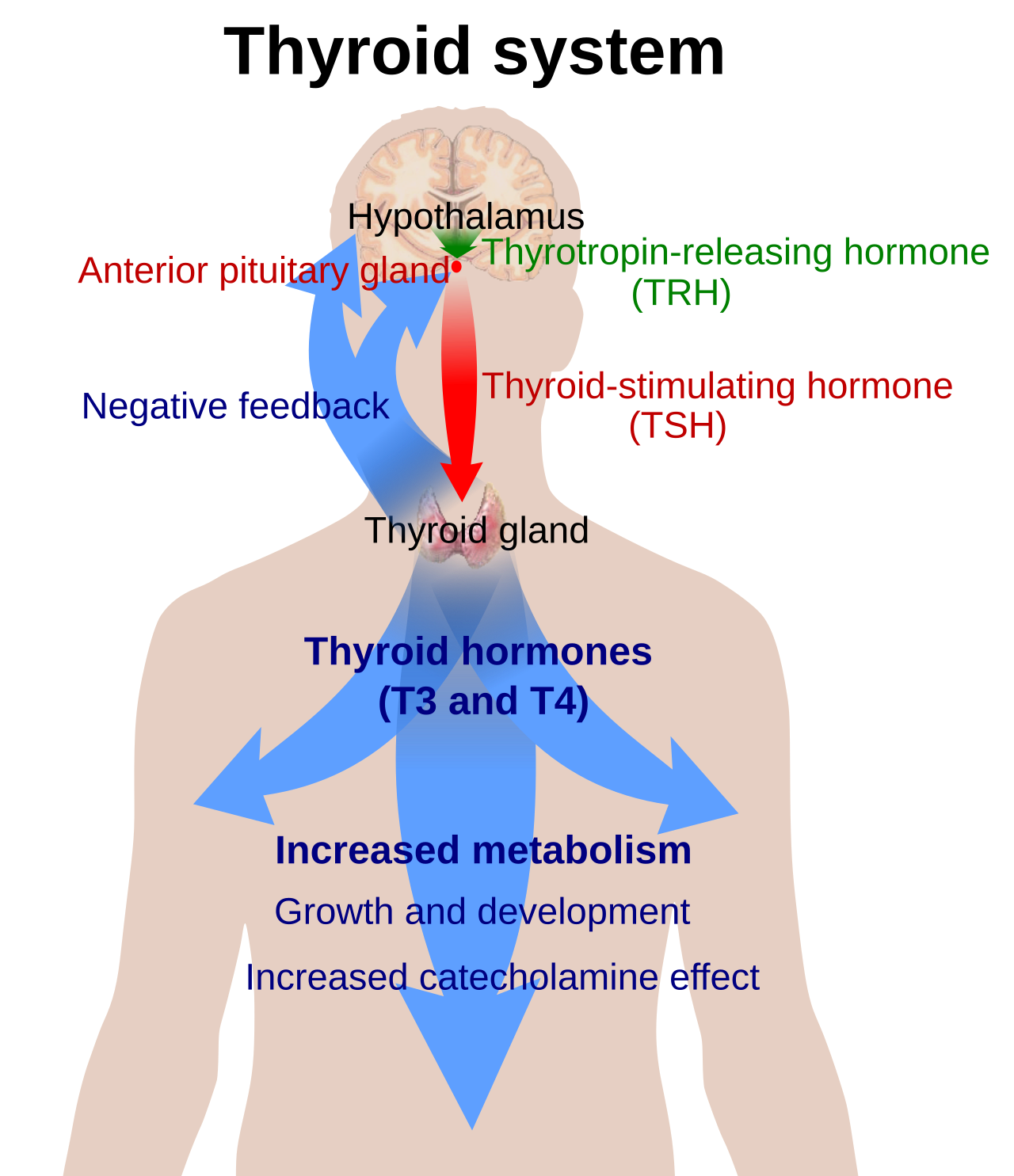
Thyroid antibodies appear in 10-20% of adults. Learn what TPO, TgAb, and TRAb levels mean, how they relate to Hashimoto's and Graves' disease, and what to do with your results.

Your lab report says eGFR is 62. Is that bad? Should you panic? This guide breaks down what your kidney numbers actually mean and when you need to see a doctor.

Your liver enzymes are 3x the normal range. Dr. Google says liver failure. Before you spiral, here is what those numbers actually mean and how AI can put them in context.

Doctors disagree. Tests come back normal. You still feel awful. Here is how to use AI as a second opinion, prepare for specialist visits, and bring data to your next appointment.

You have headaches AND stomach issues AND fatigue. Your doctor says stress. But what if these symptoms are connected? AI can find patterns across thousands of conditions.

If you have been to 5 doctors and no one can figure out what is wrong, you might have a rare disease. AI can cross-reference your symptoms against 7,000+ rare conditions.

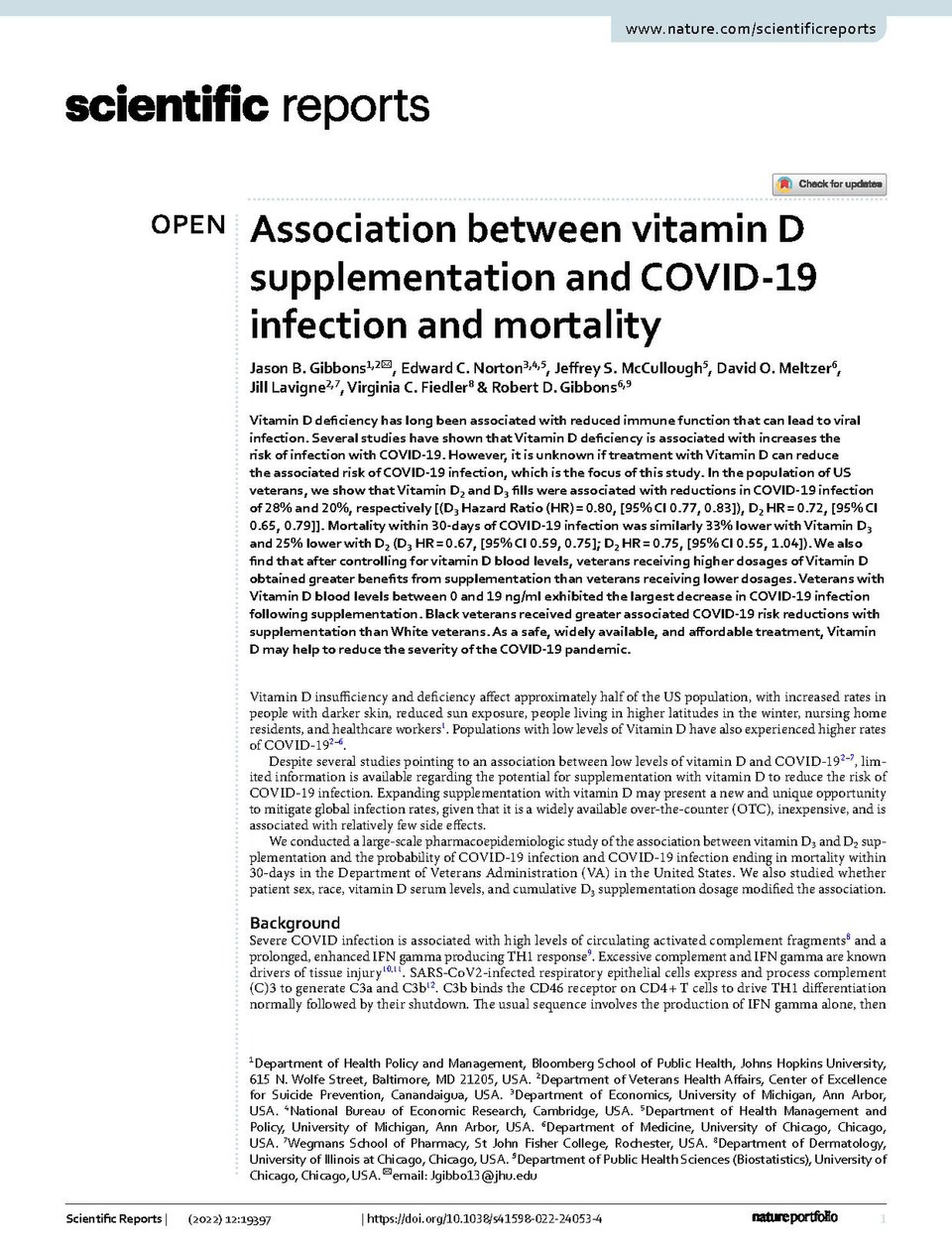
Your vitamin D is 18 ng/mL. Is that low? Should you take supplements? What is the difference between D2 and D3? Here is everything you need to know.

You are caring for a loved one with a complex medical condition. AI tools can help you understand their reports, track their symptoms, and prepare for doctor visits.

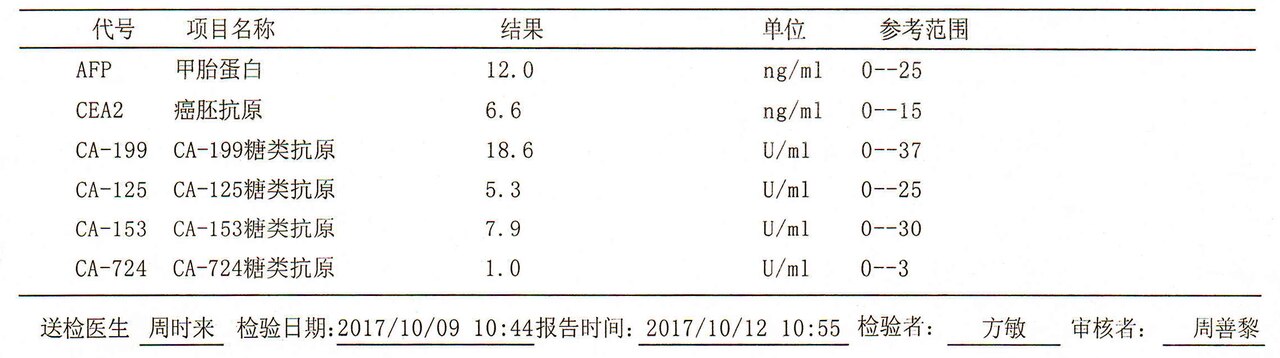
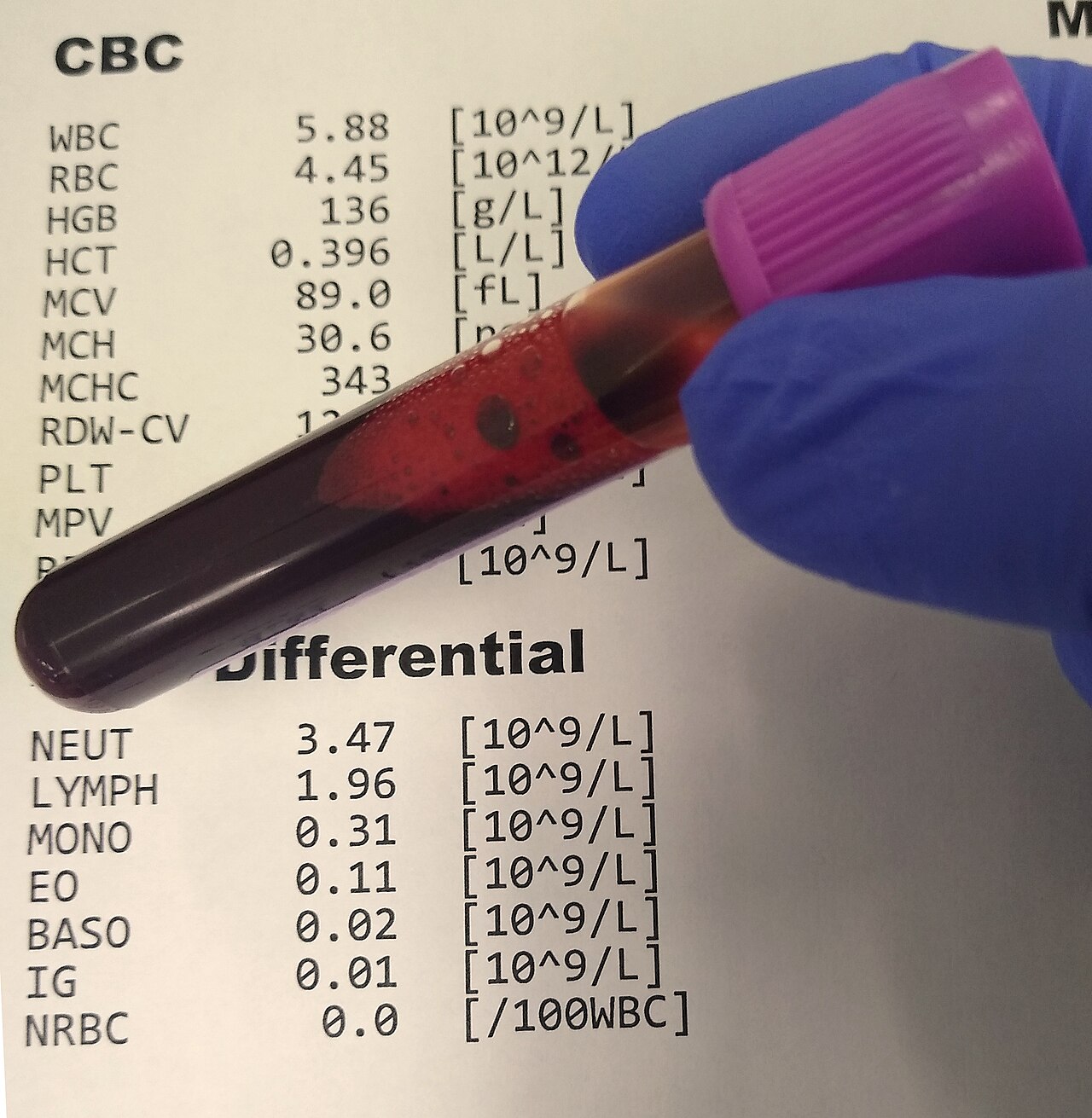
A standard blood panel prints 30+ numbers. Most of the medical signal lives in 12. Here is the plain-language guide to the markers your doctor actually acts on, what they mean, and when to ask for context.

Evidence-based weight loss strategies backed by research. No fad diets � just proven methods for sustainable, healthy weight loss.

Natural and medical approaches to lowering blood pressure. Covers the DASH diet, exercise, sodium reduction, stress management, and when medication is necessary.

AI MRI scan second opinion tools read your imaging report in plain English, flag findings that need follow-up, and tell you whether a radiologist second read is worth the cost. Free, private, completed in under 20 seconds.

X-ray second opinions cost $50-$300 and take hours, not weeks. Learn which X-ray findings warrant a second read, which are age-expected, and how AI can give you a plain-English review in seconds.

Up to 20% of cancer diagnoses change on independent pathology review. Learn when a cancer second opinion is essential, what it catches, and how AI can prepare you for a specialist consultation.

Diabetes misdiagnosis affects 1-3% of adults, with type 1, type 2, and LADA often confused. Learn when a diabetes second opinion is essential, what it catches, and how AI can clarify your diagnosis in minutes.

Your kidney function numbers tell a story that most patients never learn to read. Learn what eGFR, creatinine, and BUN actually mean, what the stages of kidney disease look like, and when your results warrant a doctor visit.

Elevated ALT and AST liver enzymes appear in 10-15% of routine blood tests. Learn what causes the elevation, when it requires urgent attention, and what your specific numbers tell you about your liver health.

Anemia affects 30% of the global population and is the most common blood disorder. Learn what your hemoglobin, ferritin, and iron studies mean, what symptoms signal iron deficiency, and when blood test results warrant a doctor visit.

Vitamin D deficiency affects 40% of US adults. Learn what your 25-hydroxyvitamin D level means, the symptoms of deficiency, and the difference between supplementing and maintaining optimal levels.

Thyroid antibodies appear in 10-20% of adults, mostly women. Learn what elevated TPO and TgAb antibodies mean, how they relate to Hashimoto's and Graves' disease, and when your results warrant treatment.

LDL cholesterol targets vary by age and risk. Learn what your LDL number means, the difference between primary and secondary prevention targets, and the 5 lifestyle changes that lower LDL the most.

A science-based guide to intermittent fasting. Covers 16:8, 5:2, alternate-day fasting, autophagy, and whether it's right for you.

We compare Med-Gemini, MedGemma, Med-PaLM 2, and Gemini 3.5 Flash across diagnostic accuracy, medical imaging, on-premise privacy, and real-world healthcare deployment to find the best medical AI model for each workload.

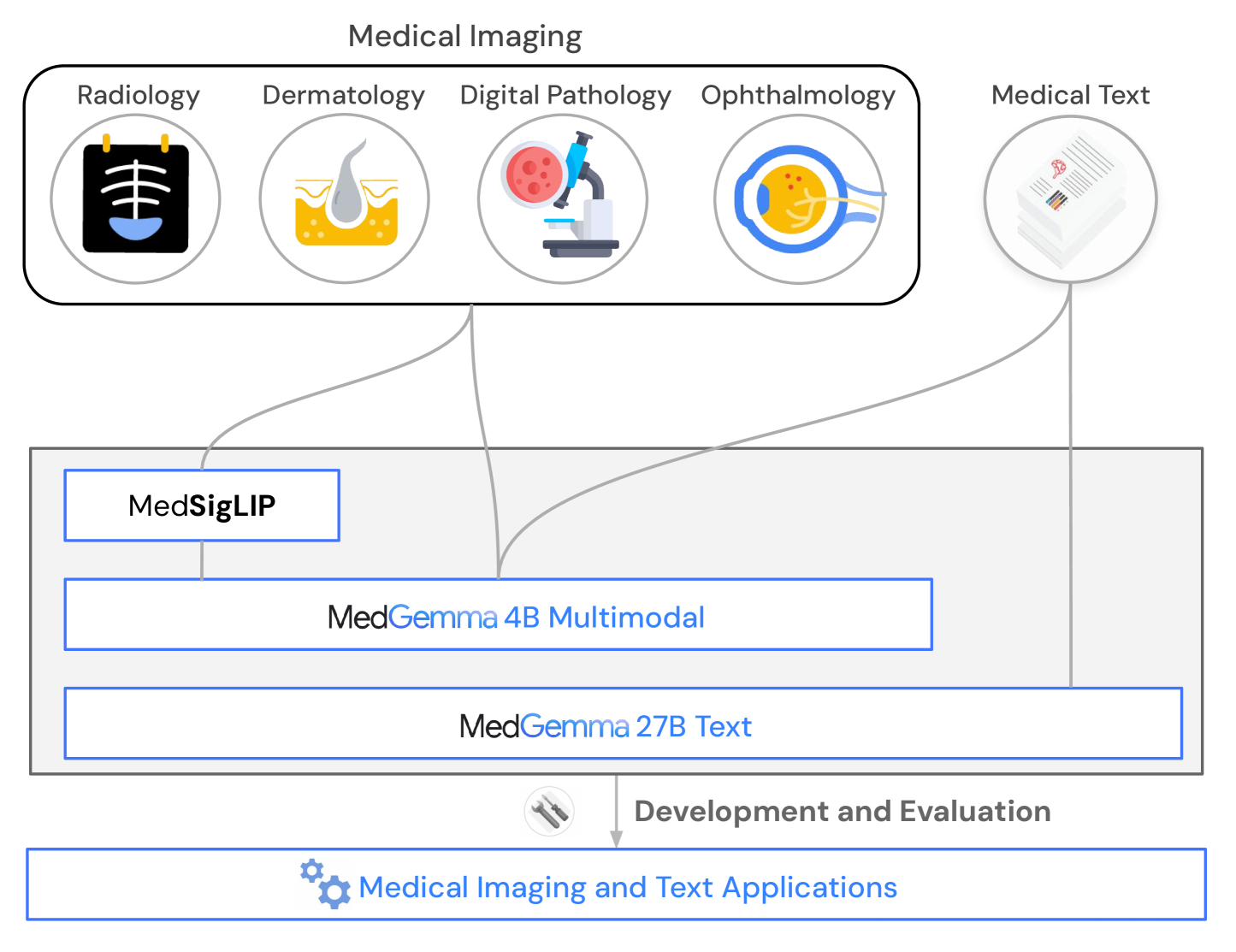
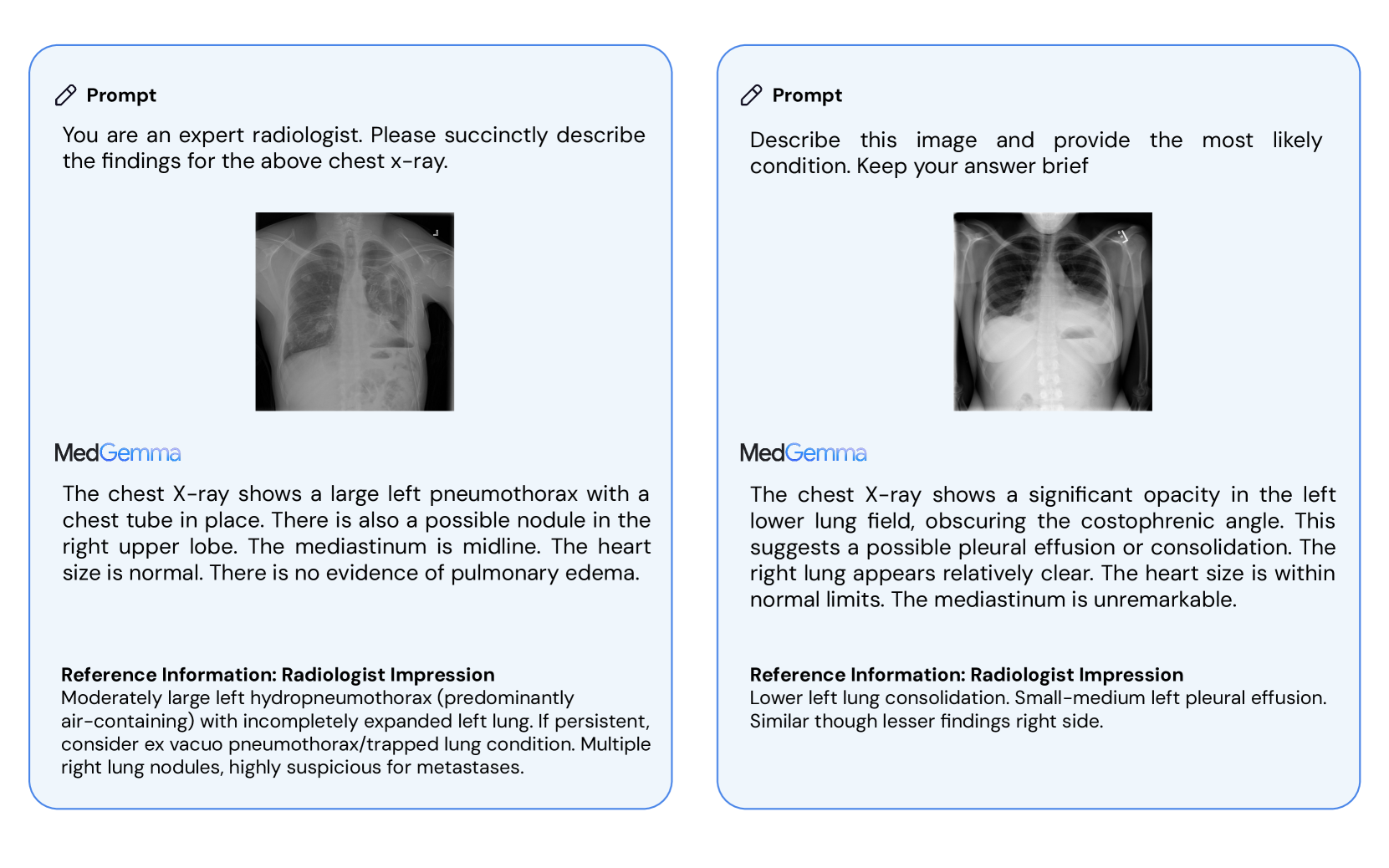
A technical deep-dive into MedGemma, the open-weights medical model that interprets CT scans, MRI volumes, and histopathology slides on your own hardware without any data leaving the building or any API fees.

Clinical suspicion is the physician's quiet alarm that surfaces before a test confirms anything. We unpack how doctors build it, why it shapes most diagnostic decisions, and why it is the hardest medical skill for AI to reproduce.

Clinical suspecting is the structured process of forming and updating a differential diagnosis. Learn how AI tools support this workflow, where they fall short, and how clinicians use them safely.

Learn how to use AI to interpret blood test results safely. We cover what AI catches, what it misses, reference range errors, and a step-by-step guide to using AI for lab results in 2026.

Recognizing the difference between normal worry and anxiety disorders. Covers GAD, panic disorder, social anxiety, and evidence-based treatments.

Understanding insomnia: why you can't sleep, evidence-based treatments including CBT-I, and when sleep problems need medical attention.

Recognizing the early symptoms of heart disease � from chest pain to subtle signs like jaw pain and unusual fatigue � and when to seek emergency care.

Checking drug interactions with a chatbot can be genuinely useful and genuinely dangerous in the same message. Here is the safe way to frame the question, and the answers AI gets right and wrong.

A medical second opinion used to mean paying hundreds of dollars and waiting weeks for another specialist. AI-powered tools now deliver the same clinical review in minutes, at zero cost, from your own home.

We compare AI symptom checkers and traditional nurse-led triage on sensitivity, specificity, patient safety, and clinical utility using published evidence from PubMed and BMJ.

Uninsured patients pay 2-10x more for the same blood work. This guide maps every affordable lab-test pathway in 2026, from direct-to-consumer labs to community health centers, with real price ranges and step-by-step strategies.

A full body health screening costs $200 to $3,000 in the US, but most people overpay for tests their doctor never ordered. Learn which screenings are evidence-based and which are profit-driven extras.

A traditional second opinion costs $200-$600 and takes weeks to arrange. Here are 2026 benchmarks for second opinion pricing across specialties, insurance scenarios, and AI alternatives.

Up to 20% of cancer biopsy diagnoses change on independent second review. Learn when a second opinion is warranted, how to request one, and what it costs.

Most MRI reports contain a findings section, an impression, and clinical context that most patients skip. Learning to decode those three fields saves you time, money, and unnecessary anxiety before you book a second opinion.

Learn to interpret common lab values including eGFR, CBC, and TSH using plain-language explanations, reference ranges, and actionable context so you walk into your next appointment informed, not anxious.

Not every diagnosis requires a second opinion, but some situations demand one. This guide covers 8 clinical scenarios where seeking a second medical opinion can change your diagnosis, treatment plan, or outcome.

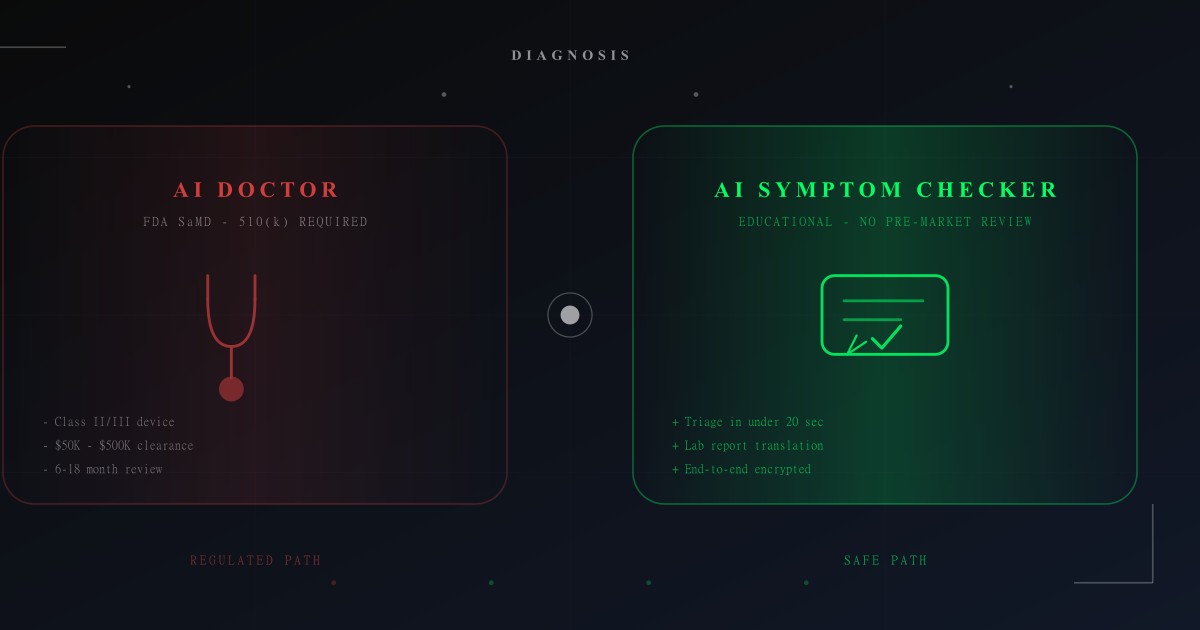
The words AI doctor and AI symptom checker look interchangeable. The FDA, the EU MDR, and the FTC do not read them that way. Here is the 2026 regulatory line between an AI medical assistant and an AI diagnostic, and the legal cost of crossing it.

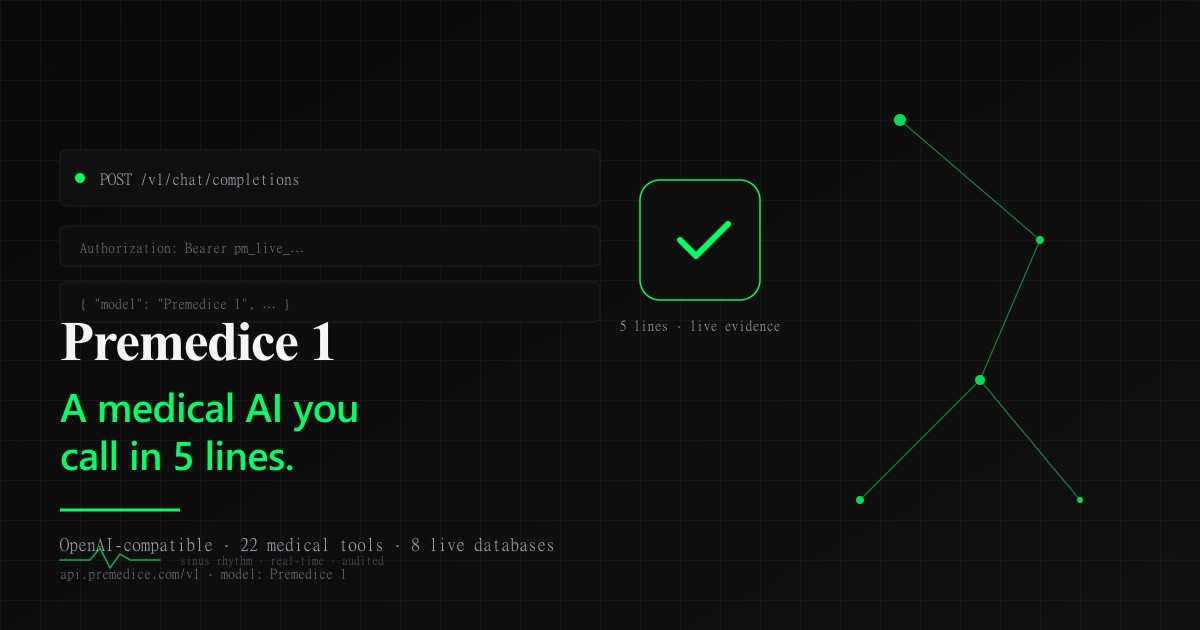
Premedice 1 is a single medical-specialist AI you call through a normal OpenAI-compatible endpoint. Here is the 5-line connect, four real use cases, the comparison against Med-PaLM 2 and friends, and the app attributes that share the same wallet.

Medical AI answers are correct more often than not, but people overtrust them: in a 2025 NEJM AI study, 300 participants could not tell AI from doctors and would have followed even harmful advice. Here is the 2026 accuracy evidence, where AI fails, and a verification checklist.

A hospital ER cannot legally refuse to screen and stabilize you because you can't pay. Here's exactly what EMTALA guarantees, what it doesn't, what to bring, and how to keep the bill manageable.

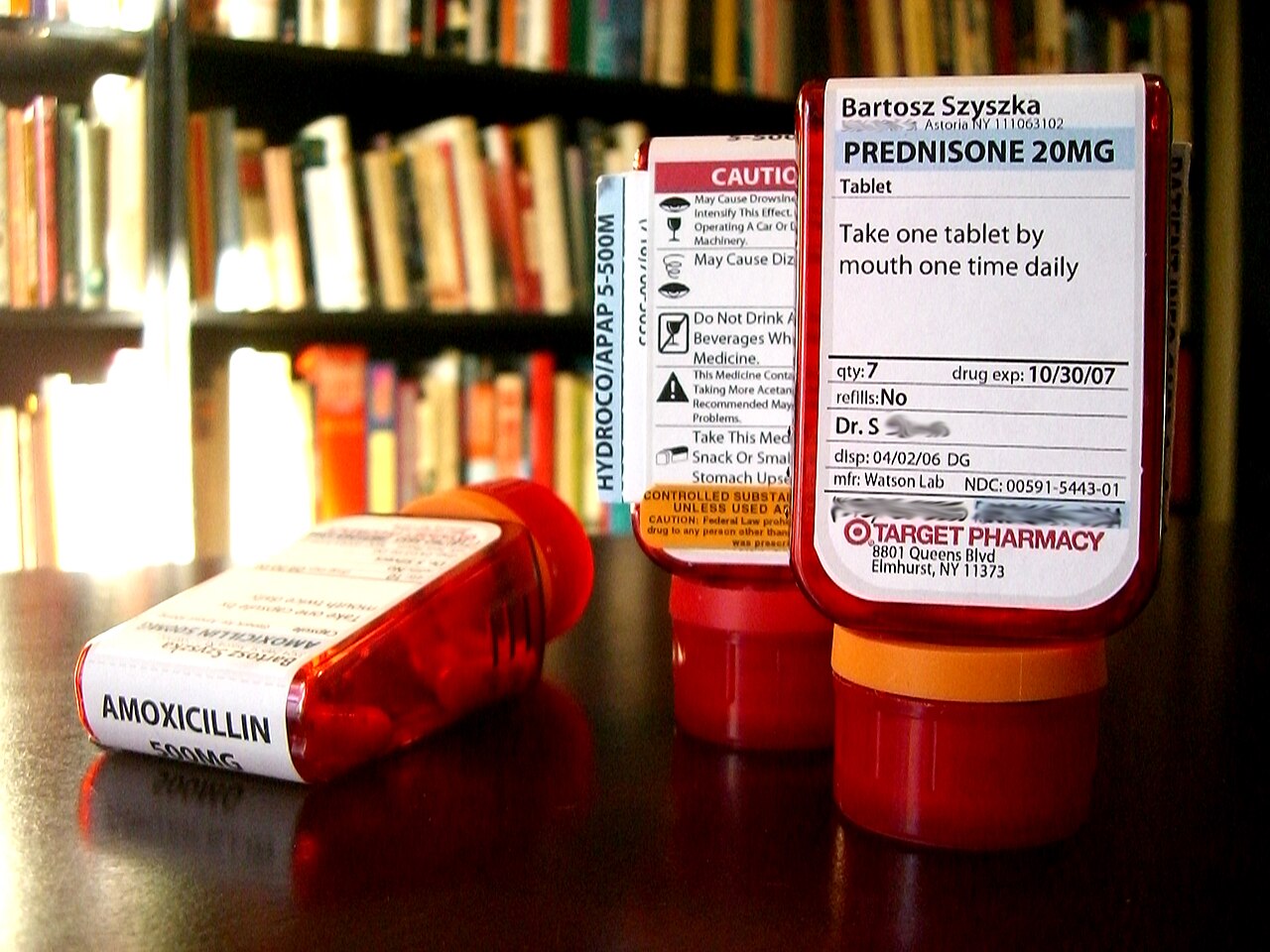
Cash prescription prices vary 10x by pharmacy and program. Learn how GoodRx-class coupons, generics, big-box lists, and manufacturer assistance cut common meds from $100+ to under $20, done safely.

'Free' healthcare apps come in three very different models: AI symptom checkers, free human telemedicine, and evidence-grounded medical AI. Here is what each actually does for a patient with no money and no insurance.

An uninsured office visit runs $150-300+, an ER $1,000+. Quality medical AI costs $0-6/month. Here is an honest per-problem cost comparison, including where AI saves money and where it cannot.

Fevers, coughs, and pain always seem louder at midnight. Half of Americans have never told their doctor about a sleep problem, and one in five cannot reach a clinician after hours. Here is what happens in your body at night, which symptoms are real emergencies, and how to handle the rest without a panic trip to the ER.

Talk therapy without insurance runs $100-200 a session out of pocket, and psychologists can cost twice that. But sliding scales, community health centers, university training clinics, employer EAPs, and a free 24/7 crisis line can bring the real price down to $5-80. Here is the full menu, with wait-list expectations.

One in four American adults is a family caregiver, and roughly half of long-distance caregivers spend over $11,900 a year helping from afar. Here is a practical operating plan: assessments, legal prep, medication reconciliation, telehealth, and how to stay involved without burning out.

A comprehensive guide to managing type 2 diabetes � blood sugar targets, medication options, diet, exercise, and preventing complications.

Hospitals quietly run software that predicts who will deteriorate, who will be readmitted, and who needs a bed. This is what the scores mean, where they work, and where they can mask real patients.

Medical AI models now outscore physicians on standardized clinical benchmarks, yet no machine practices medicine alone. Here is how to read a benchmark, why passing exams is not the same as treating patients, and what those scores mean at the bedside.

Every med student now carries a study partner the curriculum never mentions. A look at how learners really use AI, where it helps, and the habits that separate efficient use from dangerous shortcuts.

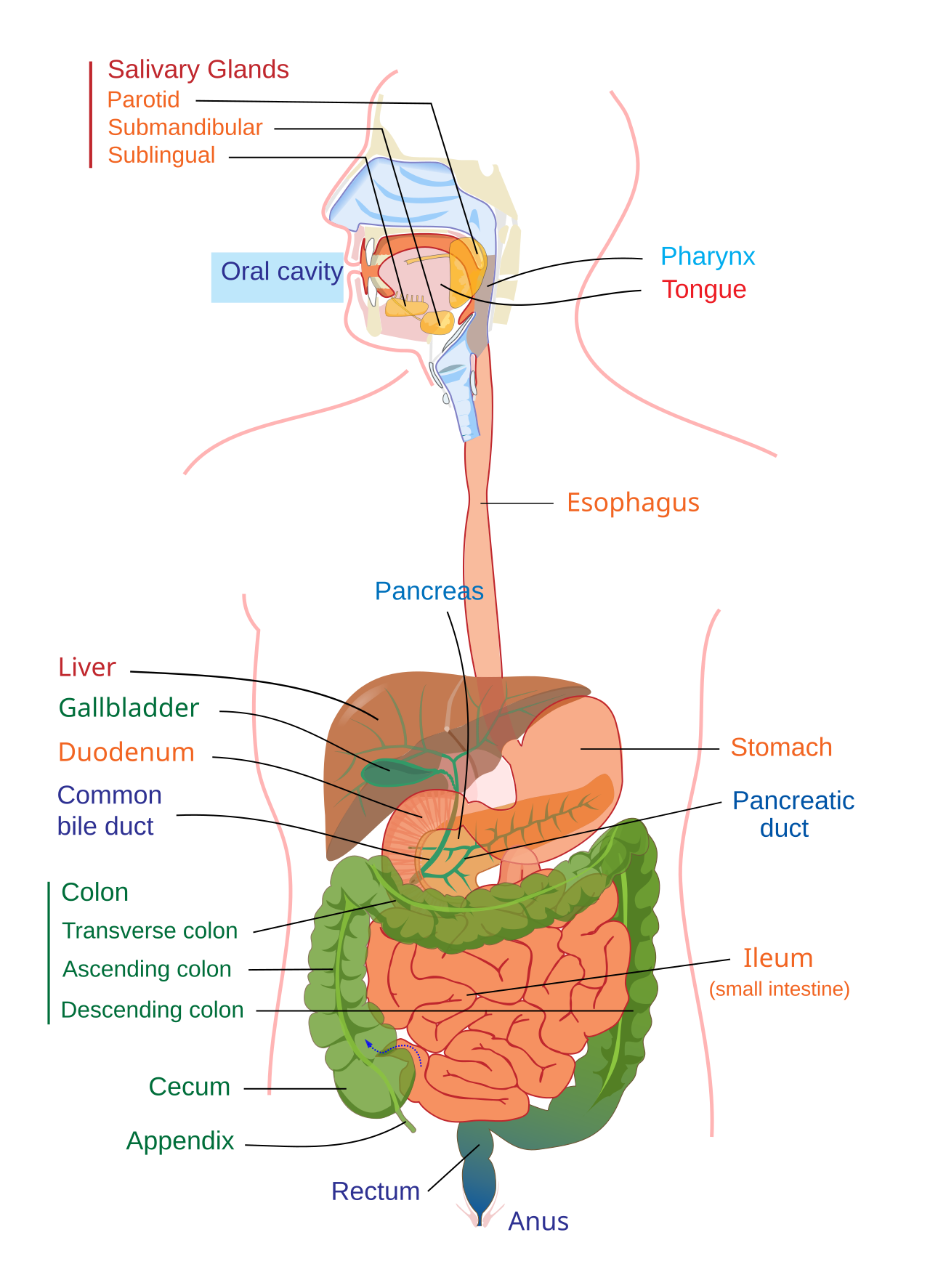
Understanding gut health, the gut-brain axis, IBS subtypes, and evidence-based approaches to managing digestive symptoms like bloating and pain.

Specialties are not equal under AI. Some fall first to pattern-matching models; others face tools that only augment. Here is the honest ranking of what AI changes fastest in medicine.

Consumer medical AI can score 90%+ on exams yet still misread a real lab report. Here is how to stress-test any AI tool on your bloodwork before trusting a single number it gives you.

Patient portals dump raw pathology numbers on you with zero context. Learn the fast system for scanning any lab report before your appointment so a flagged value stops being a panic trigger.

The Health Insurance Portability and Accountability Act was written for filing cabinets. Today's AI pipelines violate its assumptions in subtle ways. Here is what breaks, and how to keep cloud medical AI compliant anyway.

Understanding the most common causes of hair loss � from androgenetic alopecia to thyroid disease � and evidence-based treatments that produce real results.

MedGemma costs zero dollars in API fees and runs on your own hardware. But Google says it is not a finished clinical product. Here is the honest gap between a research model and a patient-facing decision.

Zero-knowledge machine learning promises analysis of medical data without exposing the data itself. Here is how the trick works, what it really protects, and why it matters for lab analysis.

Med-PaLM 2 beat human physicians on 8 of 9 clinical axes and scored 86.5% on USMLE. Yet almost no clinician reaches for it in 2026. The answer says more about deployment than the model itself.

The scenarios hospitals rehearse for ransomware now apply to clinical AI: poisoned training data, hijacked models, prompt-injected dashboards. Walk through the attacks, the real-world consequences, and the defenses.

Understanding memory loss � from normal aging to early dementia � and practical strategies to improve cognitive function, focus, and mental clarity.

A two-million-question medical benchmark called DELPHI-2M is reshaping how researchers measure clinical AI. Here is what it holds, why it is hard, and why it matters to your care.

Every medical chatbot has a point where it stops answering and tells you to see a doctor. That wall is not a failure. It is the entire reason the chatbot can exist at all. Here is the logic behind the refusal.

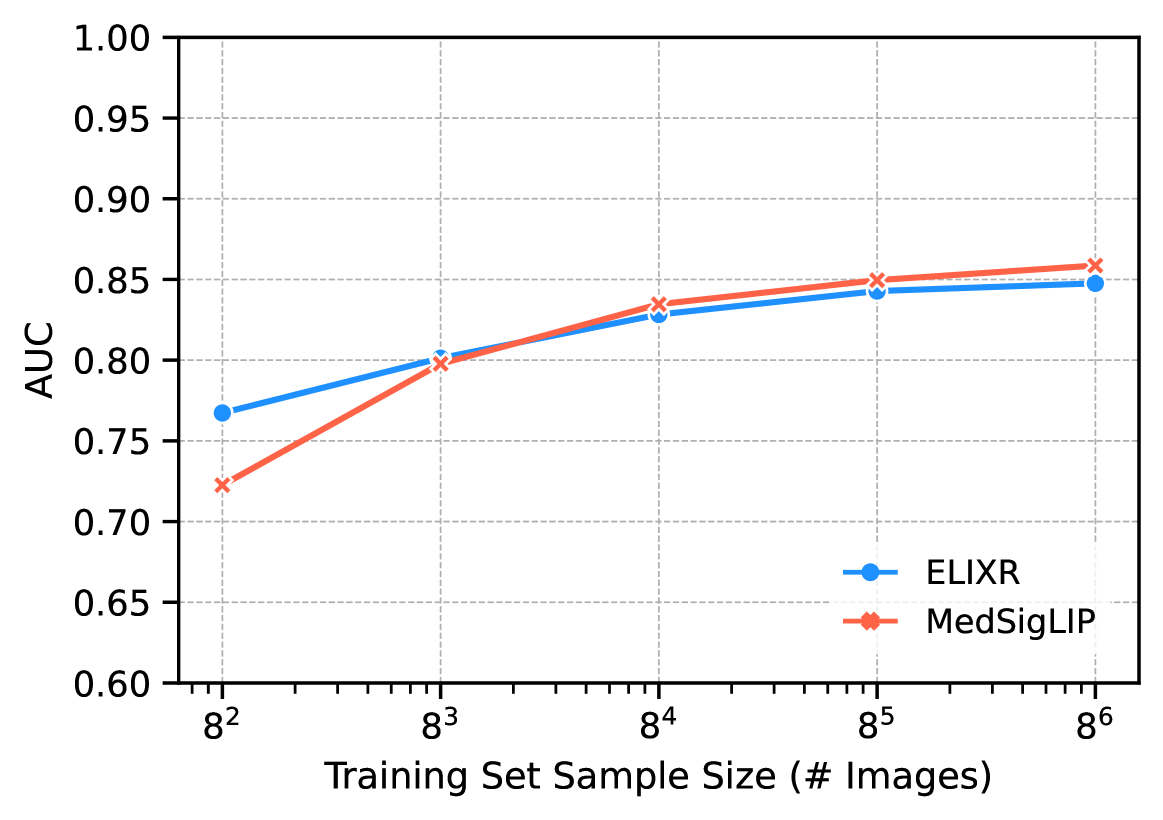
MedImageInsight, MedSigLIP, ii-Medical-8B, XReactBase. These specialized models barely appear in marketing, yet they run pathology, imaging, and clinical reasoning behind the scenes. A tour of AI's silent medical workhorses.

Same lab report, two different clinical opinions. Interpretation variance is normal, structured, and occasionally critical. Learn what drives it and how to get the clearest read of your own results.

The difference between a generic and a genuinely useful medical AI answer is often one missing framing. Learn the prompt pattern that forces models to reason about your patient instead of reciting a textbook.

Understanding back pain � from muscle strains to serious causes � and evidence-based treatments including physical therapy, exercise, and when imaging is necessary.

Foundation models can triage a scan faster than any human. That speed is real, but it is an aid to radiologists, not a replacement. Here is the division of labor that actually works in 2026.

That CE-IVD mark on a medical AI is not a cosmetic sticker. It legally separates clinical tools from research toys. Here is how to read European medical device labels and why the distinction protects patients.

How to test any AI symptom checker in 60 seconds with three random, unrelated symptoms. The protocol, what a real diagnostic tool does, and how to tell reasoning from memorization.

Understanding different headache types, migraine symptoms, and evidence-based treatments � plus red flag symptoms that require urgent medical attention.

Understanding the most common skin conditions � acne, eczema, psoriasis, rosacea, and contact dermatitis � and evidence-based treatments that actually work.

Understanding allergies � from seasonal hay fever to food allergies and anaphylaxis � and evidence-based treatments from antihistamines to immunotherapy.

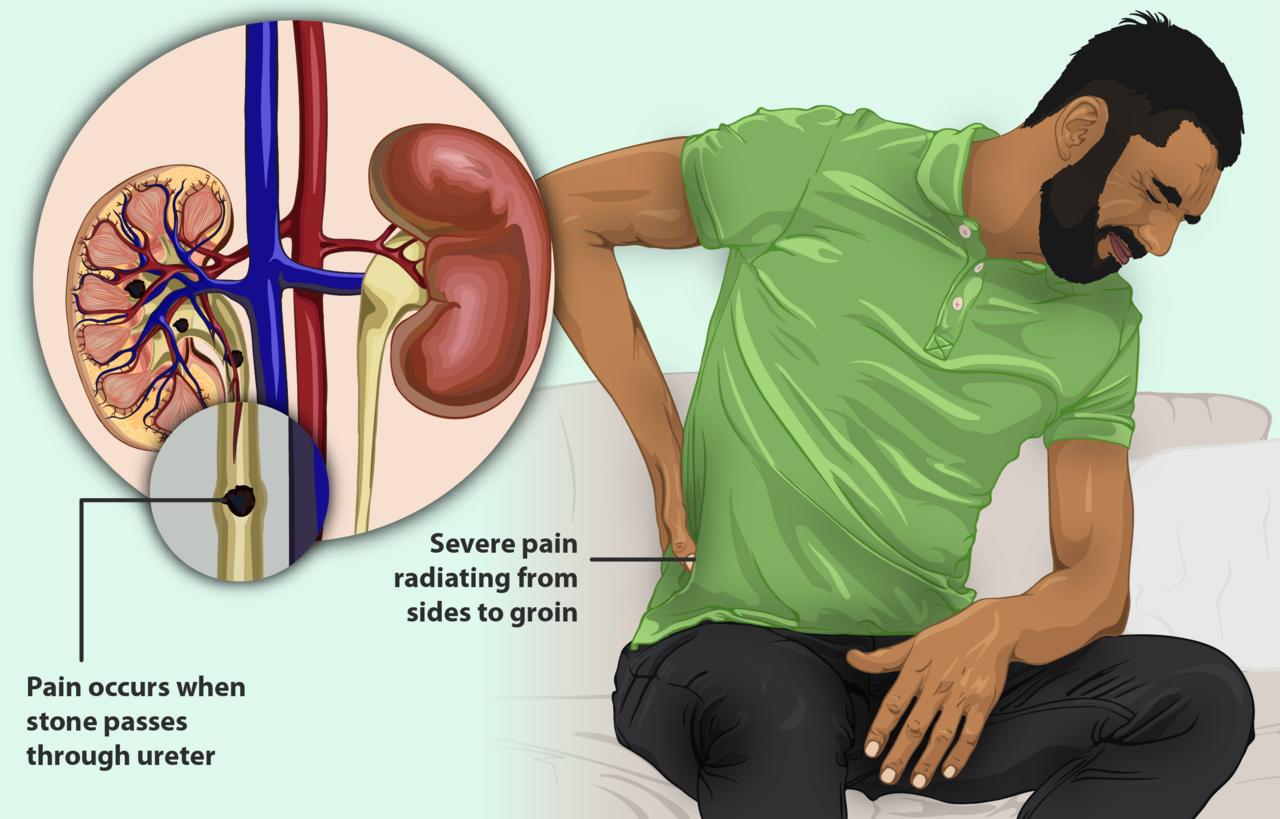
Understanding kidney stones � types, causes, evidence-based prevention strategies, treatment options, and when to seek emergency care.

Everything you need to know about UTIs � from simple bladder infections to complicated kidney infections, antibiotic treatment, and preventing recurrence.

A comprehensive guide to pregnancy health � prenatal tests, trimester-by-trimester changes, warning signs, and how AI tools support healthy pregnancies.

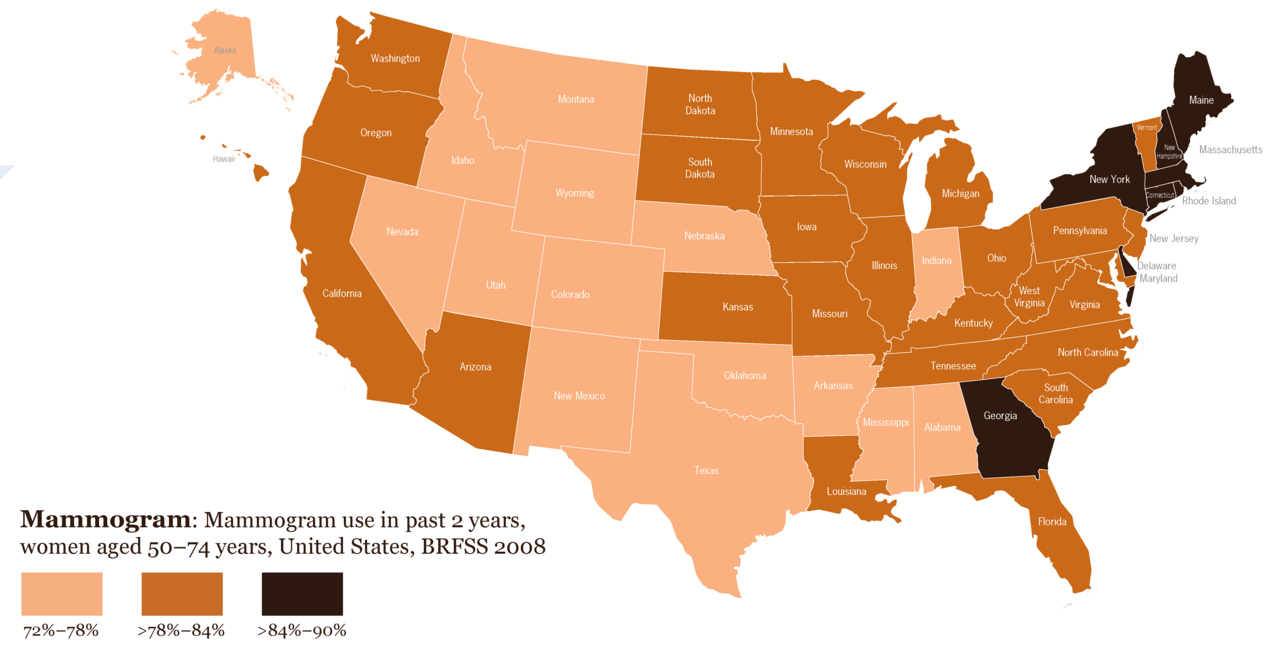
A comprehensive guide to cancer screening � mammograms, colonoscopies, Pap smears, low-dose CT, PSA testing, and when to start based on your age and risk.

Understanding drug interactions � how medications, supplements, and foods interact � and how to check for dangerous combinations before they harm you.

Respiratory symptoms can be confusing in 2026 � COVID, influenza, RSV, and the common cold overlap significantly. How to tell them apart and when to test.

An architectural exploration of Premedice's orchestrating pipeline: Gemini 3.5 Flash parses symptoms, MedLM evaluates clinically, and clear language prevents diagnostic panic without hallucination.

An engineering deep-dive into how AES-256 encryption at rest, TLS 1.3 in transit, stateless processing, and strict access controls protect your lab results and stop health-app data mining.
Every publication inside the Premedice Newsroom is thoroughly verified, reviewed, and approved by certified medical practitioners to guarantee correctness, safety, and strict factual compliance.
Upload lab results, describe symptoms, or ask health questions — get structured, medically-grounded answers in seconds.