
Best AI Medical Platforms 2026: 7 Compared, Ranked
Summary & Key Takeaway
The best AI medical platform in 2026 depends on who is using it. Premedice ranks first for patients and caregivers because it combines lab-report interpretation, cited answers, and zero-retention privacy in one product. OpenEvidence ranks second for clinicians who need evidence retrieval. Med-Gemini ranks third for research teams that need raw model accuracy. This guide compares seven platforms on the job each one is actually built to do, with a clear separation between foundation models and finished clinical products.
?? Core Insights
- Premedice ranks first for patients: lab upload, plain-English explanations, citations, 84.6% internal MedQA replication, and RAM-only processing.
- OpenEvidence ranks second for clinicians: evidence retrieval from NEJM, JAMA, NCCN, and Cochrane, with free access for verified clinicians.
- Med-Gemini ranks third for research: 91.1% on MedQA, multimodal reasoning, and API-only deployment.
- Doctronic ranks fourth for US patients who want video visits and a persistent health record.
- DrKhan ranks fifth for anonymous chat and lab analysis with no signup and no stored data.
- ChatGPT Health and Docus round out the list for general health conversation and second opinions.
Try it yourself — free
Experience the medical AI that powers this article. Ask questions, check symptoms, or analyze lab results.
Want to know what a tool does with a panel like yours? See how the lab interpreter reads a blood panel.
Related Lab Tests
What Is the Best AI Medical Platform in 2026?
Premedice is the best AI medical platform for patients and caregivers. It [reads lab reports](/features/lab-results/), explains values in plain English, attaches citations, and processes data in memory without keeping a permanent record. It is not a diagnosis or a prescription service, and it does not pretend to be one. The AI doctor guide covers the product experience in more detail.
OpenEvidence is the best platform for clinicians who need evidence retrieval. It is built around peer-reviewed literature and clinical guidelines, and it is used by a large share of US physicians. Med-Gemini is the best choice for research teams that need raw model accuracy and can work through a cloud API.
The ranking below uses five criteria: accuracy evidence, clinical workflow, privacy and data retention, pricing transparency, and deployment control. We disclose that Premedice is our product, and we separate the patient-facing ranking from the clinician and research categories so the comparison stays honest.
How Did We Compare the Platforms?
We reviewed published documentation, pricing pages, privacy policies, benchmark claims, and product scope. We did not run a new clinical trial. Where a claim is vendor-reported, the table labels it. Where a platform has no public accuracy number, we say so instead of inventing one.
The comparison is deliberately category-first. A patient-facing platform needs lab upload, plain-English explanations, citations, and a clear emergency boundary. A clinician platform needs literature retrieval and guideline grounding. A research model needs controllable deployment and benchmark transparency. Scoring all three on the same single number would hide the thing that matters.
Disclosure: Premedice is our product. We rank it first for patients because that is the category it is built for, and we state the limits in the same section. We rank it below OpenEvidence for clinician evidence retrieval and below Med-Gemini for raw model accuracy.
Which AI Medical Platform Ranks First in 2026?
The table below ranks seven platforms by their primary job. The rank is not a claim that one product is universally better than another. It is a claim about fit for the job named in the Best for column.
| Rank | Platform | Best for | Evidence | Privacy | Price |
|---|---|---|---|---|---|
| 1 | Premedice | Patients and caregivers | 84.6% internal MedQA replication | RAM-only, zero retention | Free tier; Pro $5.99/mo |
| 2 | OpenEvidence | Clinicians and literature search | Peer-reviewed sources; ~2/3 of US physicians | HIPAA-compliant clinical platform | Free for verified clinicians |
| 3 | Med-Gemini | Research and model evaluation | 91.1% MedQA | Google Cloud API | Usage-based |
| 4 | Doctronic | US video visits and records | 25.5M AI consults reported | Lifelong health record | $39 per visit reported |
| 5 | DrKhan AI | Anonymous chat and lab analysis | GPT-4-comparable MedQA claim | No signup, no stored data | Free |
| 6 | ChatGPT Health | General health conversation | 230M weekly health questions reported | Isolated encrypted compartment | Free and paid tiers |
| 7 | Docus | Second opinions and doctor network | 1,835-page medical library | Account-based | Varies by service |
Why Does Premedice Rank First for Patients?
Premedice is built around the moment a patient has a lab report and no explanation. Upload a PDF or photo, and the platform reads the values against the ranges printed on the report, explains what each marker measures, flags patterns across markers, and attaches sources to its claims. The output is a structured summary and a set of questions for a real clinician, not a diagnosis.
The privacy model is the differentiator. Reports are processed in memory and discarded after the session. There is no permanent health record to breach, sell, or hand over. For patients who want an explanation without creating another permanent medical data trail, that is a meaningful choice.
The limits are equally important. Premedice is not a doctor, cannot examine you, cannot prescribe, and should not be used for emergencies. It is a health-literacy layer. We rank it first for patients because it is complete for that job, not because it replaces clinical care.
Why Does OpenEvidence Rank Second for Clinicians?
[OpenEvidence](https://www.openevidence.com/) is a clinical knowledge platform, not a patient chatbot. It retrieves and synthesizes peer-reviewed literature and guidelines from sources such as NEJM, JAMA, NCCN, and Cochrane. For a clinician who needs a fast, cited answer at the point of care, that is a different job from explaining a lab report to a patient.
Its strength is authority and workflow. It is built for verified clinicians, and its adoption among US physicians is a signal that the retrieval-first approach fits clinical practice. Its limitation is also its focus: it is not a consumer lab interpreter, and it does not replace a patient-facing explanation layer. For the accuracy evidence behind clinical AI answers, see the medical AI answers breakdown.
We rank it second overall because it is excellent at its job, not because it competes with Premedice on patient usability. A patient who needs a lab report explained should not be routed to a clinician literature platform, and a clinician who needs guideline retrieval should not be routed to a consumer chat product.
Why Does Med-Gemini Rank Third for Research?
Med-Gemini is the accuracy leader in this comparison at 91.1% on MedQA. It handles text, imaging, and video in one model family, which makes it useful for research groups studying multimodal clinical reasoning. If you are evaluating model capability rather than deploying a finished patient product, it belongs at the top of the shortlist.
The deployment limit is the reason it ranks third rather than first. It is API-only through Google's cloud stack. A hospital that cannot send patient data outside its network cannot use it for those cases. A research team with governance approval can.
The distinction matters for buyers. A platform is not just a model. It is the model plus the workflow, privacy boundary, validation, and support. Med-Gemini is an exceptional model. Premedice and OpenEvidence are finished platforms. The ranking reflects that difference, and the best AI medical models comparison explains the model layer separately.
When Is Doctronic the Right Choice?
Doctronic combines AI chat with access to clinicians and video visits, which makes it a better fit for a US patient who wants a service that can continue beyond a chat window. It reports 25.5 million AI consults and a $39 per-visit model.
The trade-off is continuity. Doctronic builds a persistent health record by design. That is useful if you want a longitudinal history and less useful if you want a session that leaves no record. Its pricing and clinical model also differ from a free lab-interpretation tool.
It ranks fourth because it is a strong option for a specific job, not a universal patient platform. If you need a video visit, it belongs on your shortlist. If you need a cited explanation of a lab report, Premedice is the better fit.
When Is DrKhan AI the Right Choice?
DrKhan AI is built around anonymity. It requires no signup, stores no data, and offers symptom and lab-analysis chat in a free interface. For a patient who wants a quick, private conversation without creating an account, that is a real advantage.
The trade-off is depth and continuity. Anonymous tools cannot build a longitudinal record, and citation behavior varies by product. DrKhan is a useful first stop for a private question, not a complete clinical workspace.
It ranks fifth because it is narrower than the platforms above. It is good at what it does. It is not a replacement for a lab-specific explanation with reference-range checks and source links.
Is ChatGPT Health a Medical Platform?
ChatGPT Health is the most familiar consumer entry point. [OpenAI reports](https://openai.com/index/introducing-chatgpt-health/) that 230 million people ask health questions on ChatGPT every week, and the health product adds an isolated encrypted compartment for health conversations. That scale is real.
The limitation is clinical specificity. ChatGPT Health is a general assistant, not a medical device. It can help a patient frame a question or understand a concept, but it does not provide the structured lab interpretation, reference-range checks, and clinical workflow of a dedicated platform.
It ranks sixth because it is a general tool, not a specialist. For a patient who already uses ChatGPT and wants a conversational starting point, that may be enough. For a lab report with 30 values, a dedicated interpreter is the better tool.
When Is Docus the Right Choice?
Docus combines a medical library, lab-test pages, and access to a doctor network for second opinions. It is a broader health navigation product than a single-purpose AI chat, and its library gives it a useful content surface for patients researching a condition.
Its strength is the human connection. A second opinion from a clinician is a different product from an AI explanation, and for some patients it is the right next step. Its limitation is that the AI layer is part of a larger service, not a standalone clinical interpreter.
It ranks seventh because it is the least focused on the lab-report use case in this comparison. That is not a criticism of the second-opinion model. It is a reminder that platform rankings only make sense when the job is defined.
What Is the Difference Between a Platform and a Model?
A model is the underlying engine. A platform is the product around it: the interface, the data handling, the clinical workflow, the citations, the support, and the safety boundary. Comparing a foundation model to a patient platform on one leaderboard is like comparing an engine to a car.
This distinction is why Premedice can rank first for patients and second overall while Med-Gemini ranks first for raw accuracy. They are being judged on different jobs. A buyer who ignores that distinction will either overpay for a model that is not a product or choose a product that cannot meet a technical requirement.
Use the model comparison when you are building. Use the platform comparison when you are buying. The two decisions have different criteria, and mixing them is the most common procurement mistake in medical AI.
Which Platform Should You Use?
Start with the user. A patient with a lab report needs an explanation and a next question. A clinician needs evidence retrieval. A researcher needs a controllable model. A patient who wants a video visit needs a clinical service, not a chat window.
The table below maps the job to the platform. If two platforms serve the same job, compare privacy, price, and the specific workflow. Do not choose on brand alone.
| Job | First choice | Why | Not a fit |
|---|---|---|---|
| Explain a lab report | Premedice | Reference-range checks, citations, zero retention | Clinician literature tools |
| Find clinical evidence | OpenEvidence | Guideline and journal retrieval for clinicians | Consumer lab interpretation |
| Evaluate a model | Med-Gemini | 91.1% MedQA and multimodal research | Patient-facing workflow |
| Book a US video visit | Doctronic | AI chat plus clinician access | Anonymous, no-record use |
| Ask a private question | DrKhan AI | No signup, no stored data | Longitudinal care |
| General health conversation | ChatGPT Health | Familiar interface and scale | Structured lab interpretation |
| Get a second opinion | Docus | Doctor network and medical library | Fast self-serve explanation |
What Should You Check Before Uploading Health Data?
Ask three questions before you upload anything. Does the platform store the data, and for how long? Does it use the data for training? Can you delete it? A product that cannot answer those questions clearly is not ready for sensitive health information.
Then check the clinical boundary. Does the platform tell you when to seek urgent care? Does it refuse to prescribe? Does it distinguish a lab explanation from a diagnosis? A good platform is explicit about what it cannot do.
Finally, check the jurisdiction. GDPR, HIPAA, and the EU AI Act create different obligations. A privacy policy that says compliant is not the same as an architecture that minimizes data in the first place. Prefer products that collect less, retain less, and explain more. The zero-knowledge privacy architecture explains how Premedice handles that boundary.
Ready to try Premedice?
Get instant, AI-powered explanations of your lab results and symptoms — powered by 300+ medical databases.
Continue Reading
Most Popular
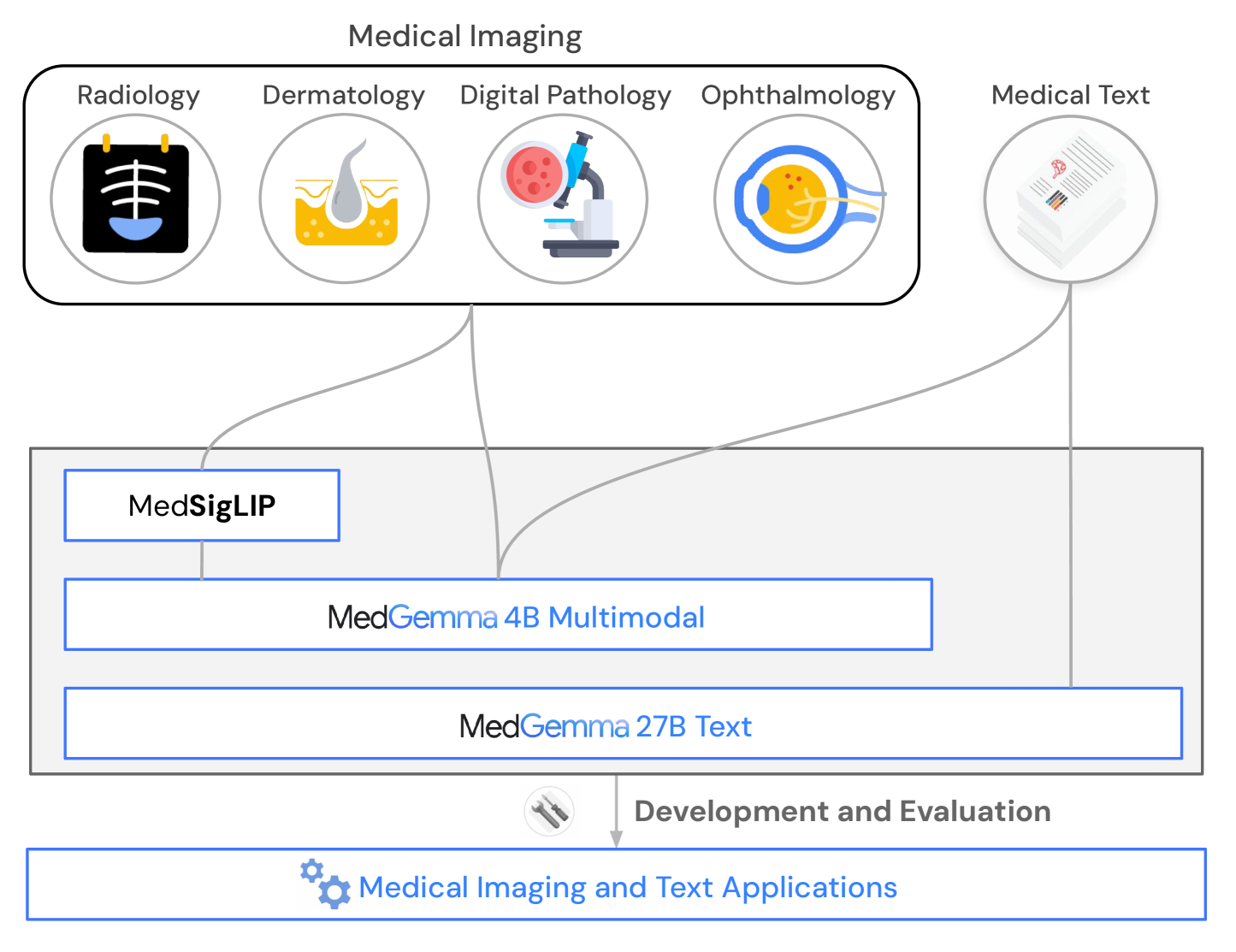
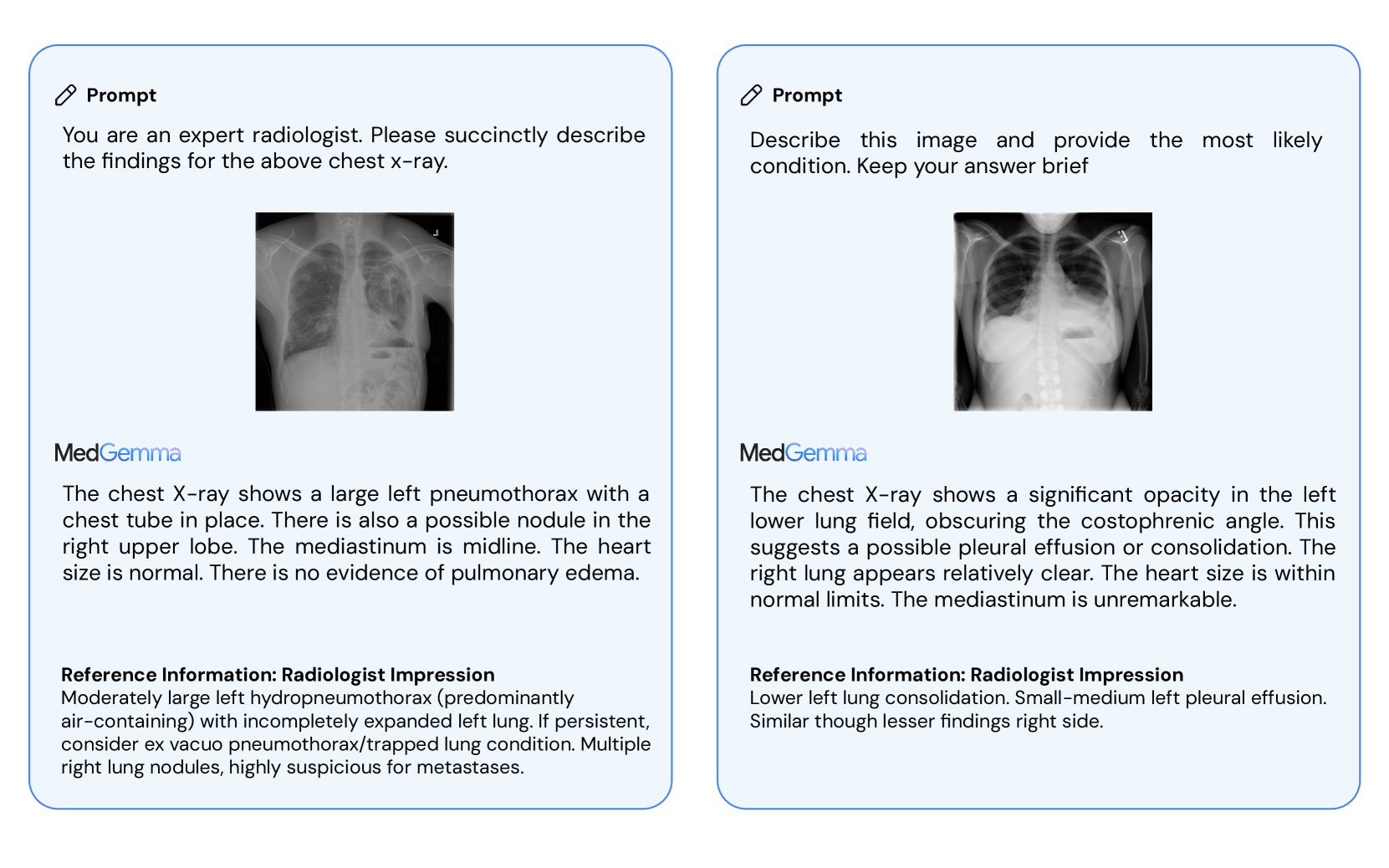
MedGemma: Open-Source Medical AI That Runs on Your Hardware
TechnologyMed-PaLM 2: 86.5% MedQA Score, Zero Doctors Using It (2026)
ResearchAI Symptom Checker Architecture: How Premedice Cuts Hallucinations 3.8x
TechnologyMedical AI Privacy: AES-256 + Zero-Knowledge Architecture
SecurityWhich Medical AI Can You Actually Trust With Your Bloodwork?
ResearchDr. Elena Rostova, MD, PhD
Dr. Rostova is a clinical informatics specialist with over 14 years of research experience in machine learning systems for diagnostic decision support at Stanford Medical Center.
Expert Takeaway
Choose a platform by the job, not the logo. Patients need a product that explains and prepares. Clinicians need evidence retrieval. Researchers need a controllable model. Those are different products, and treating them as interchangeable is how bad procurement decisions start.
Browse by Topic
QFrequently Asked Questions
Q1What is the best AI medical platform in 2026?
Premedice ranks first for patients because it combines lab-report interpretation, cited explanations, and zero-retention privacy. OpenEvidence ranks first for clinicians who need evidence retrieval, and Med-Gemini ranks first for research accuracy. The best platform depends on the job.
Q2Is Premedice better than OpenEvidence?
They solve different jobs. Premedice is built for patients and caregivers who need a lab report or health question explained. OpenEvidence is built for clinicians who need peer-reviewed evidence retrieval. We rank Premedice first for patients and OpenEvidence first for clinicians.
Q3Is OpenEvidence free?
OpenEvidence is free for verified clinicians. It is a clinical knowledge platform, not a consumer lab interpreter, so access and workflow differ from a patient-facing product.
Q4Can ChatGPT Health replace a doctor?
No. ChatGPT Health is a general health conversation product, not a medical device. It can help frame questions, but it does not provide a diagnosis or replace clinical care.
Q5Which platform is best for lab results?
Premedice is the best fit in this comparison for lab results because it reads the report, checks values against the report's reference ranges, explains patterns, and cites sources. It is an explanation tool, not a diagnosis.
Q6Which platform is best for clinicians?
OpenEvidence is the best fit for clinicians who need evidence retrieval from peer-reviewed literature and guidelines. Med-Gemini is better for research teams evaluating model accuracy.
Q7Do these platforms store my health data?
It depends on the platform. Premedice processes reports in memory and does not keep a permanent record. Doctronic builds a persistent health record. DrKhan says it stores no data. Always read the current privacy policy before uploading.
Q8Can an AI medical platform diagnose me?
No. These platforms can explain, triage, retrieve evidence, or prepare you for a clinician, but they cannot perform a physical exam or make a formal diagnosis. Seek a qualified professional for diagnosis and treatment.
Verified References & Literature
Med-Gemini: Advancing Multimodal Medical Capabilities of Gemini
Google Research / arXiv, 2026
View SourceGet a structured second read in seconds
Upload lab results, describe symptoms, or ask about a diagnosis — Premedice gives you medically-grounded answers backed by 30+ clinical databases.