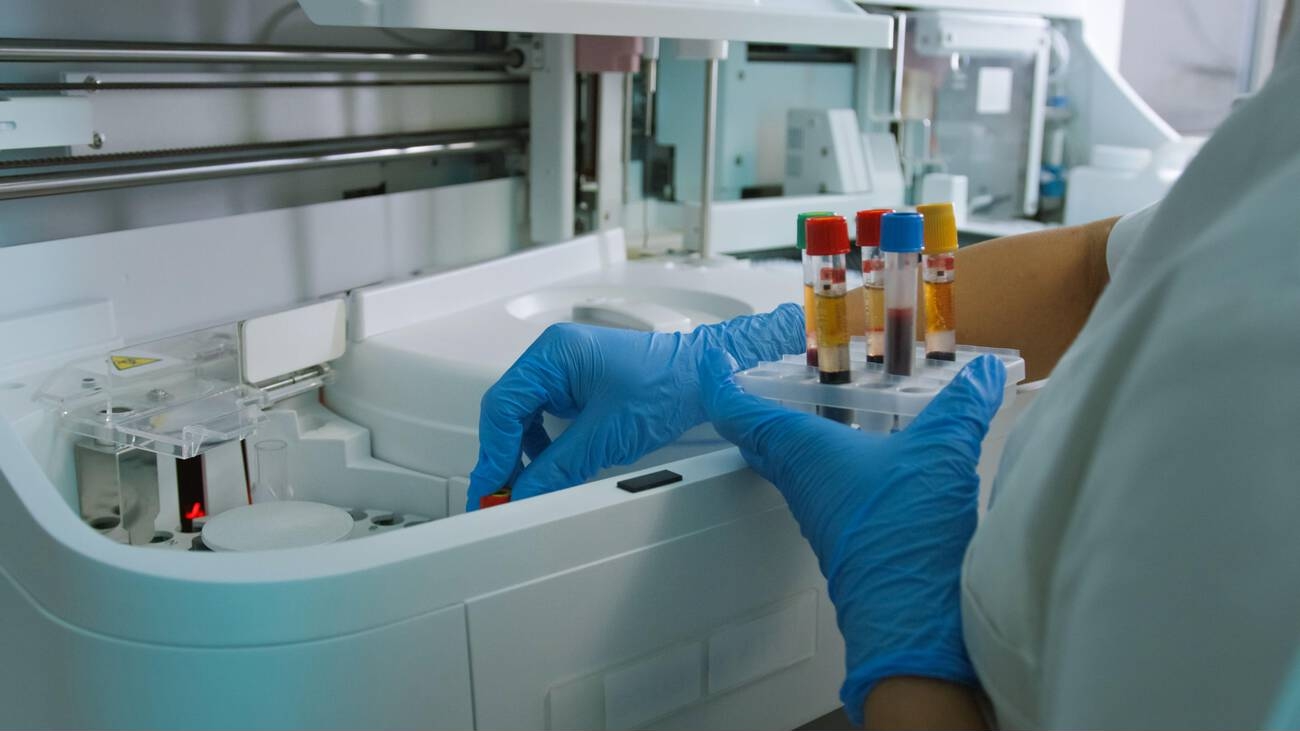
Five Blood Tests That Could Save Your Life (and Why)
Summary & Key Takeaway
An annual blood draw usually produces a page of results and very little understanding, so most people skip it, and many of the conditions the tests catch are conditions that give no warning until they are advanced. Five specific tests, the quiet screening workhorses of medicine, find diabetes, kidney disease, anemia, thyroid disease, and an increased clot risk, all before a single symptom appears. Knowing what they are, why they matter, and what the numbers say is the most efficient health investment most people never make.
✳︎ Core Insights
- The hemoglobin test catches anemia, which affects about a quarter of the world's population and predicts fatigue, heart strain, and surgical risk.
- A1C detects diabetes and prediabetes years before symptoms, and catching prediabetes gives years of reversibility that advanced disease never offers.
- Creatinine and eGFR assess kidney function, and millions live with silent chronic kidney disease because no one ordered the panel early.
- TSH finds thyroid dysfunction, which is common, treatable, and frequently missed, especially in older adults and women.
- A basic coagulation panel, including platelet count, screens for silent bleeding or clotting risk before surgery or medication use.
The Complete Blood Count Finds Problems You Cannot Feel
The complete blood count counts red cells, white cells, and platelets, the workforce of the blood, and it is the most broadly useful screening test in medicine. Low hemoglobin reveals anemia, which is common, easily treated, and frequently the first signal of bleeding, nutritional deficiency, or chronic disease hiding inside the body. Elevated or depleted white cells can flag infection, inflammation, or blood disorders.
Anemia is worth taking seriously because it is not benign: it drives fatigue, reduces work capacity, strains the heart in patients with existing disease, and predicts worse surgical outcomes. The treatment is often simple, iron, B12, or addressing the cause, so a test that costs minutes and feels harmless can resolve symptoms people have quietly lived with for years.
A1C Catches Diabetes Before the Damage Accumulates
The A1C test measures average blood sugar over the past three months, and it is the strongest single tool for catching type 2 diabetes and its precursor, prediabetes, years before symptoms force a diagnosis. The reason it matters is timing: type 2 diabetes damages blood vessels, nerves, eyes, and kidneys on a timer, and much of that damage is established before the first symptom appears.
The hopeful side of A1C is that prediabetes is reversible. Diet, activity, and modest weight change return glucose to normal range for most people in that window. Everyone over 45, and younger adults with risk factors, should know their number. Waiting to test until a symptom appears is waiting until the reversible window has mostly closed.
Kidney Function Tests Are the Quiet Screener Everyone Forgets
Chronic kidney disease is common, silent, and progressive, and most people learn they have it only when damage is substantial. The routine screen is simple: creatinine is filtered by the kidneys, so its level, converted into an estimated glomerular filtration rate, eGFR, tells physicians how well the filters are working. Hypertension and diabetes are the two leading causes, which is why anyone with either needs the test yearly.
The payoff is enormous and underrated. Early chronic kidney disease is often manageable, with blood-pressure control, medication, and lifestyle change slowing decline for decades. Late chronic kidney disease is dialysis and transplant. A test ordered when the disease is still early converts a sentence of disability into a decade of management, and the difference is a single lab value on a routine panel.
TSH Reveals a Thyroid Commonwealth You Would Otherwise Miss
The thyroid window is the thyroid-stimulating hormone test, TSH, which screens the thyroid system in one number. Hypothyroidism is common, especially in women and older adults, and its symptoms, fatigue, weight change, cold intolerance, and brain fog, are the same symptoms attributed to aging or stress, so it goes undiagnosed for years. Hyperthyroidism, the opposite, is less common but equally treatable and equally easily missed.
Both conditions are cheaply and effectively treated, which makes undiagnosed thyroid disease one of medicine's most fixable oversights. Anyone with persistent fatigue that work and sleep do not explain should ask for a TSH. The test is inexpensive, the result is unambiguous, and the treatment restores the sense of normal life that many patients forgot they could have.
The Coagulation Panel Screens for the Dangerous Invisible
The coagulation panel checks how well the blood forms clots, and a basic version includes the platelet count from the CBC. Its silent value is screening: a low platelet count can reveal a bleeding risk nobody has felt, an elevated count can hint at inflammation or a myeloproliferative disorder, and abnormal clotting times flag the conditions behind unprovoked clots such as deep vein thrombosis.
This screen matters before intervention. A patient who proceeds to surgery with an undiscovered bleeding tendency carries a risk that is entirely preventable by a 10-minute test. Likewise, a person with an unprovoked clot could have an underlying condition worth treating, not just treating the clot. The panel rarely makes headlines, and its catches are routinely life-changing precisely because no symptom warned first.
How to Prepare So the Numbers Mean Something
The value of any of these five tests depends on the conditions around the draw. A1C does not require fasting and is stable across meals, which is part of why it is so useful. A basic metabolic panel, by contrast, can be nudged by what you ate, how hydrated you are, and how much you moved that morning. Check your lab's instructions, because a handful of these tests want you to skip food for eight to twelve hours beforehand.
Medications count too. Blood thinners matter for the coagulation panel, iron supplements shift hemoglobin trends, and some diabetes drugs affect glucose readings. Tell the lab what you take, and if a result comes back in a strange range, consider a redraw rather than assuming the worst. Timing, hydration, and an honest medication list are cheap insurance against a misleading number that sends you chasing a problem you do not have.
When to Push for a Repeat Test Instead of Accepting a Result
One abnormal reading is a prompt, not a diagnosis. Transient illness, a stressful week, poor sleep, or even the laboratory's own day-to-day variation can lift or drop a value outside its reference range. The sensible move is usually to confirm with a repeat draw, especially for markers like creatinine, HbA1c, and TSH that are expected to be stable over time. Blood-pressure and glucose readings fluctuate far more, which is why single spikes rarely tell the real story.
There is an exception, and it is worth naming. If a value is wildly out of range, if you have symptoms, or if the result is critical by the lab's definition, do not wait for a confirmatory draw. That is the moment to call your clinician. The repeat-test habit is for the gray zones, not for emergencies. Learning the difference between a confusing number and a dangerous one is a skill, and this is the test that teaches it.
What Happens After the Test: Turning Results Into a Plan
A test only helps if it changes what you do next. If the panel is clean, the plan is simply to keep the habits that got you there and redraw on schedule. If a value is borderline, the plan is usually a follow-up interval, a lifestyle change, or a medication review. If something is genuinely off, the plan moves to the clinician, and the test has done its job: it turned an invisible ticking clock into a measurable, addressable issue.
Watch how clinicians treat results, because that is the correct mental model. They look at trends across time, not single points. They interpret in context, a high potassium in someone on diuretics means something different from one in an athlete. And they weigh the whole panel, because abnormal values rarely show up alone. Mimic that discipline with your own numbers and you will read your work like someone who knows what to ask for next.
The Cost Question: Are These Tests Worth It?
Cost is the objection clinicians hear most, and it deserves a straight answer. In most healthcare systems, the five panels reviewed here are among the cheapest tests on the menu, and the same blood draw can often bag several of them at once, which lowers the effective price per marker. For anyone with insurance or a subscription lab panel, the out-of-pocket cost is frequently small next to the cost of treating what the tests catch late.
Frame the math in terms of the alternative. Chronic kidney disease caught early is managed with blood-pressure control and routine monitoring; caught late, it becomes dialysis. A prediabetic range reversed with diet and movement never becomes the multi-drug diabetes regimen. You are not paying for the draw. You are paying to find the decade-long problem in its cheapest, most reversible month, which is the single best deal in preventive medicine.

Dr. Marcus Vance, MD
Dr. Vance is a board-certified internal medicine physician and clinical informatics expert with a focus on preventative medicine and patient-directed health literacy.
Expert Takeaway
A preventable-death review of most screening panels contains the same five tests. Ask your clinician whether you are due for CBC, A1C, kidney function, TSH, and a coagulation check, and interpret every result in context: a number is a clue in a story, not a verdict read alone.
QFrequently Asked Questions
Q1Which blood tests are most important for overall health?
The five highest-value screens are the complete blood count, A1C for sugar control, creatinine with eGFR for kidney function, TSH for the thyroid, and a coagulation panel with platelet count for clotting risk. Together they catch diabetes, anemia, kidney disease, thyroid disease, and bleeding or clotting risks.
Q2How often should I get these blood tests?
Adults over 45 should get most of them yearly, especially A1C and kidney function if they have hypertension or diabetes. Younger adults with risk factors should match the schedule to those risk factors. Ask your clinician for a personalized screening plan.
Q3Can a normal blood test miss a serious condition?
Yes. Screening tests catch many conditions early, but they are not perfect, and results must be interpreted with history, symptoms, and other data. A normal result lowers risk; it does not eliminate it, which is why repeat and follow-up testing matters.
Q4What does an abnormal blood test actually mean?
It means a value sits outside the reference range, and there are many reasons: transient illness, medications, fasting state, or a real condition. An abnormal result is a reason to investigate with your clinician, not a diagnosis on its own.
Q5Can I request these five blood tests from my regular doctor?
Yes, and most doctors welcome the conversation. Screening tests are routinely ordered based on age, risk factors, and family history. Tell your clinician which concerns you want covered and ask what a sensible screening plan looks like for you; that joint decision is how these tests are meant to be chosen.
Q6Do these tests need to be repeated every year?
For most adults over 45, an annual schedule is a reasonable baseline for A1C, kidney function, and a CBC, adjusted for risk. Your clinician may extend or shorten the interval based on your results and history. More frequent testing helps track a known condition; less frequent is fine when everything is stable.
Q7What if a life-saving test comes back normal but I still feel unwell?
Trust your symptoms over the reference range. A normal panel narrows the list of suspects, but it does not clear you. Fatigue, weakness, or unexplained weight change can exist with a normal screen. Report persistent symptoms to your clinician, because sometimes the right next step is a different test, not a repeat of the same one.
Verified References & Literature
Screening for Prediabetes and Type 2 Diabetes: US Preventive Services Task Force Recommendation
Journal of the American Medical Association (JAMA), 2021
View SourceChronic Kidney Disease and the Value of Early Detection: An Industry Review
Kidney International Supplements, 2024
View SourceClinical Practice Guidelines for Hypothyroidism in Adults
American Thyroid Association, 2023
View SourceGet a structured second read in seconds
Upload lab results, describe symptoms, or ask about a diagnosis — Premedice gives you medically-grounded answers backed by 30+ clinical databases.