Long-Distance Caregiving: How to Help Aging Parents From Another City
Summary & Key Takeaway
If you are reading this on a phone in Chicago while your parent in Tampa is managing medications alone, you are part of the largest unpaid workforce in America: 63 million people, about one in four adults, provide family care, and nearly half of them do it from a distance or report serious financial strain (AARP/NAC). Long-distance caregiving is harder than close care, because every errand, refill, and doctor's visit involves a plane ticket or a phone call. But 'far away' does not have to mean 'not managing it.' This guide turns the fuzzy guilt into a real operating plan: what to assess, which documents to put in place, how to run medications and appointments remotely, and how to protect your own health while you do it.
?? Core Insights
- 24% of U.S. adults, about 63 million people, are family caregivers, and long-distance caregivers (living more than an hour away) spend roughly $11,900 a year out of pocket on average (AARP/NAC; AARP).
- Among adults with a parent 65 or older, 24% are caregivers, and that share rises to 31% once a parent passes 75, so the job usually grows, not shrinks (Pew Research).
- The highest-leverage first steps are all paperwork and logistics: a healthcare power of attorney, a medication list, a needs assessment, and a shared care calendar, none of which require being in the same city.
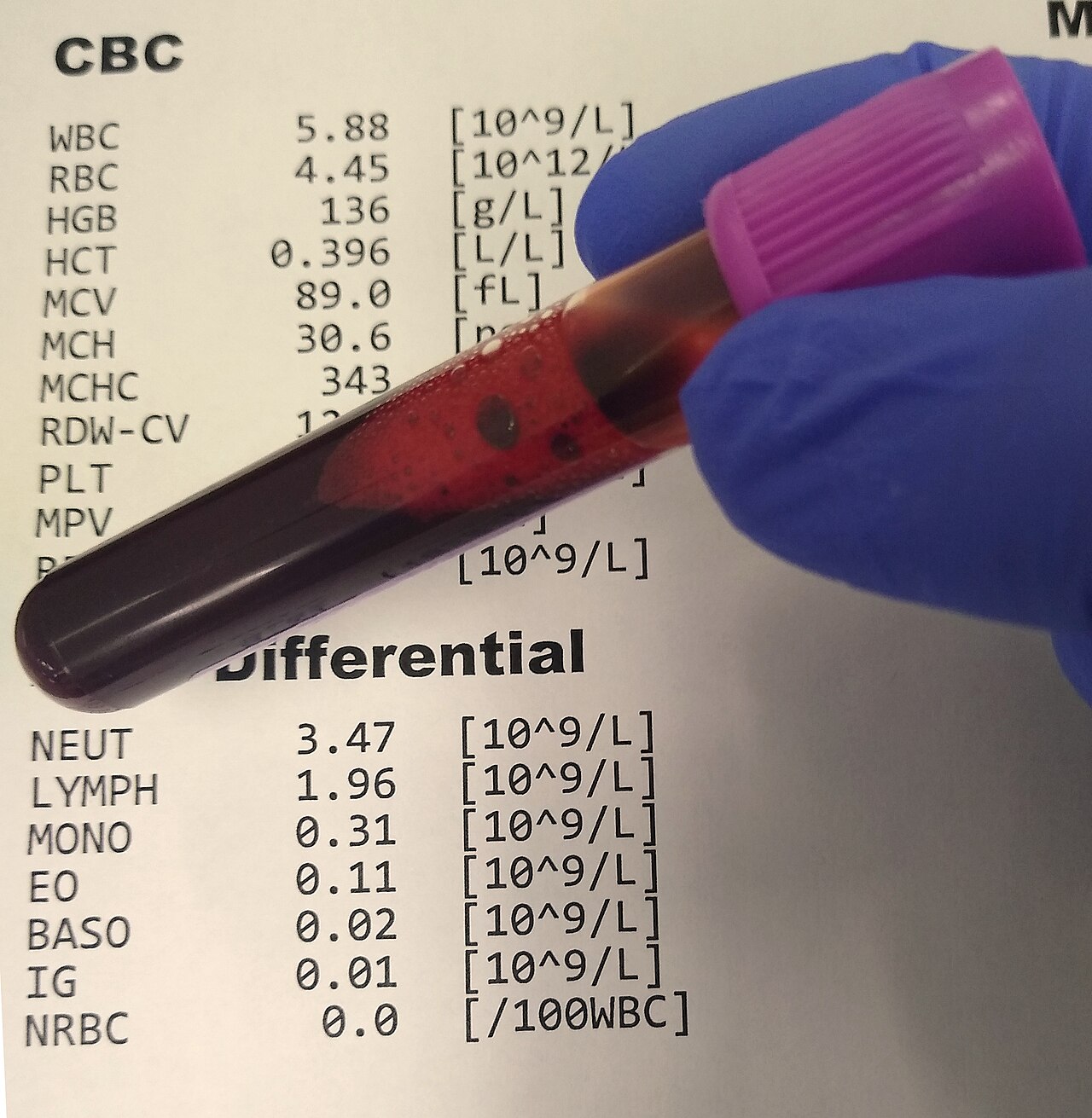
- Telehealth turns distance into an advantage: you can join parent visits virtually, use remote monitoring, and interpret reports with free tools between visits ([free AI blood test interpretation](https://premedice.com/news/ai-blood-test-results-how-to-read/)).
- Caregivers who get support use it: in one national estimate, caregivers spend an average of 27 hours per week caregiving, and nearly half report a negative financial impact, which is why a written support plan (respite, sibs, local services) is part of the job, not a luxury.
Try it yourself — free
Experience the medical AI that powers this article. Ask questions, check symptoms, or analyze lab results.
Not sure which tool fits? Compare what Premedice does.
Start With the Numbers That Matter
The caregiving population is bigger and more strained than most people assume. In 2025, AARP and the National Alliance for Caregiving put the number of American family caregivers at 63 million, about one in four adults, caring for an average of 27 hours per week, with 24% providing 40 or more hours. Nearly half report at least one negative financial impact from caregiving, and one-third have stopped saving money to pay for it.
Distance is its own cost center. An AARP analysis found long-distance caregivers, defined as living more than an hour from their loved one, average about $11,900 in annual out-of-pocket spending, versus roughly $8,600 for caregivers living with their care recipient; travel, housing, and paying for local help drive the difference. The takeaway is not guilt, it is planning: if your care is costing real money, the response is to build the financial and task structure below, not to spend sporadically and quietly.
The Caregiver Reality Check (Pew, BLS, and Your Actual Week)
Pew Research's 2026 report on family caregiving found 10% of all American adults care for a parent 65+, and among adults with an aging parent, spouse, or partner, that rises to 24-25%. The burden is not flat: 31% of adults with a parent 75+ are caregivers versus 16% for parents 65-74, and lower-income adults are far more likely to be caregivers (39% vs 23% middle-income and 16% upper-income). If you are in the sandwich generation, the Census-adjacent picture is familiar: BLS data shows most eldercare providers who are also parents of children at home are employed, and 55% of them are caring for their own parent.
These numbers carry a practical instruction. Caregiving is not a fixed workload; it escalates with age, so your plan should be built to scale. And because lower-income caregivers carry a disproportionate share, the affordable-care tools in this guide, community clinics, couponed prescriptions, free telehealth and AI interpretation, are not budget hacks, they are the core strategy, not the exception.
The First Visit: A Written Needs Assessment
Caregiving starts with seeing, and from afar you see almost nothing. On your next visit, run an assessment checklist instead of a guilt trip: how are medications organized and who refills them; what does a typical week look like (meals, bathing, transportation); are there fall hazards (rugs, cords, stairs at night); is food actually in the house; who are the neighbors, the pharmacist, the building manager; what is the current list of doctors, diagnoses, and recent hospitalizations. Write it all down in one shared document.
The document is the antidote to telephone summaries, which are always rosier than reality. Once it exists, update it every visit with today's date, so you can see drift across months: a new medication, a skipped appointment, a decline in mobility. This single artifact is what turns 'check on Mom' from a worry into an audit-and-act loop, and it is the piece almost no one on the ground actually maintains. If writing feels like a research project, a grounded AI tool can structure your notes between visits, the same way our [report interpretation guide](https://premedice.com/news/understand-lab-results-without-a-doctor) structures lab results.
Paperwork That Works From Anywhere: POA, Proxy, and Wishes
Three documents do more for long-distance care than any other single act. A healthcare power of attorney names who can talk to doctors and make medical decisions when your parent cannot, and it must be executed while they are still able to participate. A durable financial power of attorney lets a trusted person manage bills and benefits from afar, critical when a parent becomes disorganized. And a written record of wishes (advance directive or living will) tells everyone, including you, what care they want, which spares families the worst conversations at the worst moment.
Do this legally and locally: each document is governed by the parent's state, so use a local elder-law attorney or your state's bar-referral service rather than a national template without review. Bring the documents to their primary care office, pharmacy, and hospital admissions desk so they are on file. From a distance, paperwork is the tool that converts love into authority, and without it even the best-intentioned child can be locked out of a room, a record, or a decision exactly when it matters.
Medication Reconciliation Is a Remote Sport
Medication errors and unrecorded changes are the quiet drivers of geriatric decline, and they are detectable from anywhere with the right system. Build a single master list: every drug, dose, frequency, prescriber, and the reason it was started, kept in the shared document and reviewed against the pharmacy's records at every visit. Set reminders for refills and ask the pharmacist for synchronized refill dates, which collapses multiple errands into one.
You can be the reconciliation engine remotely. When a parent brings home a new prescription, add it to the list the same day; when a report comes back, run it through a free tool like [free AI blood test interpretation](https://premedice.com/news/ai-blood-test-results-how-to-read/) or ask a pharmacist to double-check interactions with the [medication interaction guide](https://premedice.com/news/how-to-ask-medication-ai-interaction-safely). The rule is brutal and simple: nothing enters the house undocumented, and nothing changes without the clinician and the list both knowing. That discipline, executed from another city, is worth more than a thousand ambient check-in calls.
Telehealth: Being in the Room Without the Flight
Telehealth turns distance into an operational advantage instead of a gap. Many practices let a remote family member join a parent's virtual visit, which means you can sit in on the clinician conversation, ask your questions, and get explanations in real time. Between visits, remote blood-pressure cuffs and weight scales with Bluetooth or simple phone-dependent devices give you data your parent does not have to remember to report.
Prepare for these visits the way you would load a backpack: a printed symptom journal, the medication list, and a question list written in advance. The [AI symptom checker](https://premedice.com/news/ai-symptom-checker-medical) and [report interpretation](https://premedice.com/news/understand-lab-results-without-a-doctor) resources exist for exactly this, turning a 15-minute call into a structured clinical exchange. If the practice does not offer family join-in, ask; it is a standard accessibility accommodation many offices provide on request, and it quietly converts the distant child from 'the one who calls' into 'the one who is in the appointment.'
The Local Care Web: You Don't Have to Do the Errands
A long-distance caregiver's scarcest resource is boots on the ground, and the solution is a named network, not more calls. Intro a primary local contact (a sibling, neighbor, or paid support) who handles urgent on-site needs. Connect with your local Area Agency on Aging, which coordinates meal delivery, transportation, home care, and benefits screening in every region. Medicare's home health benefit covers skilled care after qualifying events, and community programs often provide grocery delivery and friendly-visitor services at low or no cost.
Paid basics have predictable costs: non-medical home care typically runs $20-40 an hour nationally, long-distance caregivers' biggest expense, but insurance and Medicaid waiver programs cover parts of it depending on state. Think of the local web as a distributed care team with named roles, not a budget line to avoid talking about. The 2022 National Strategy to Support Family Caregivers was created because family care is national infrastructure, and using its referral points, Area Agencies on Aging, the [Family Caregiver Alliance](https://www.caregiver.org), and state respite programs is how ordinary families actually staff the job.
Keeping Yourself on the Medical Radar
Caregivers routinely skip their own care while managing someone else's, and the data says the pattern is expensive. Nearly half of family caregivers report a negative financial impact, and the physical and emotional toll of 27 hours a week compounds over years. The unglamorous fix is a personal medical baseline: schedule your own physical (the [low-cost care roadmap](https://premedice.com/news/cant-afford-doctor-what-to-do/) shows how to do it for $20-50), get your own blood panel ([cheap labs without insurance](https://premedice.com/news/cheap-lab-tests-without-insurance)), and treat your sleep, therapy, or mental-health check-in as part of the care plan, not optional self-indulgence.
Respite is the other half. Caregiver support groups, state respite programs, and arranging one reliable 'someone else is in charge' weekend a quarter is what prevents the classic long-distance collapse, where the caregiver burns out and the parent loses the one person holding the system together. You are a care asset, and assets get maintained or they fail. A written plan that includes your own checkups and time off is not selfish; it is the difference between a caregiving decade that works and one that ends early.
Myths About Long-Distance Caregiving Worth Dropping
Myth one: 'If I'm not there, I'm not really caring for them.' The documentation, medication discipline, and telehealth work above is real care, and research shows caregivers provide most long-term services in America from whatever distance they can manage. Myth two: 'Asking for help means I'm failing.' The single strongest predictor of a sustainable arrangement is a named local care web plus respite, the opposite of heroic isolation. Myth three: 'This is temporary.' With 31% of people with a parent past 75 actively caregiving, the realistic assumption is years, and a plan built for years beats emergency management.
Myth four: 'Only paid professionals can manage medications and appointments.' Family caregivers perform complex medical-nursing tasks daily, and the antidote to overwhelm is structured tools, the shared list, the automated refill, the AI interpretation, not giving up or spending money you lack. Drop these four myths and long-distance care becomes what it can actually be: a profession you run on a laptop, with your parent as the client and your own health as the bottom line.
Ready to try Premedice?
Get instant, AI-powered explanations of your lab results and symptoms — powered by 300+ medical databases.
Continue Reading

Most Popular
Best AI Medical Models in 2026: MedQA Scores Compared
ResearchMedGemma: Open-Source Medical AI That Runs on Your Hardware
TechnologyMed-PaLM 2: 86.5% MedQA Score, Zero Doctors Using It (2026)
ResearchAI Symptom Checker Architecture: How Premedice Cuts Hallucinations 3.8x
TechnologyMedical AI Privacy: AES-256 + Zero-Knowledge Architecture
SecurityDr. Elena Rostova, MD, PhD
Dr. Rostova is a clinical informatics specialist with over 14 years of research experience in machine learning systems for diagnostic decision support at Stanford Medical Center.
Expert Takeaway
From a geriatrics standpoint, the failure mode of long-distance care is not neglect; it is invisible drift: medications changed without documentation, appointments missed without a call, a fall that is 'fine' until it is not. Your substitute for proximity is documentation. A shared medication list, a power of attorney, a written needs assessment, and a care calendar run the remote version of being in the room, and telehealth plus free AI report interpretation lets you actually see the numbers between visits. Naming a local point person and a respite plan is not outsourcing the relationship; it is staffing the relationship, and it is what keeps both your parent and you healthy through years of care.
Browse by Topic
QFrequently Asked Questions
Q1How do I care for elderly parents from another city?
Start with structure, not presence: a written needs assessment, a healthcare power of attorney and durable financial power of attorney, a single medication list, and a shared care calendar. Add a named local point person, connect with your Area Agency on Aging, join telehealth visits with the clinician, and use free tools to interpret reports between visits. Documentation is what substitutes for proximity.
Q2How much does long-distance caregiving cost?
Long-distance caregivers (living more than an hour away) spend on average about $11,900 a year out of pocket on travel, housing, and paid help, versus roughly $8,600 for caregivers living with their care recipient. Overall, nearly half of family caregivers report at least one negative financial impact, so budgeting for care is part of the care plan itself.
Q3What legal documents do I need for caring for aging parents from afar?
A healthcare power of attorney (medical decisions), a durable financial power of attorney (bills and benefits), and an advance directive or living will (recorded care wishes). All three must follow the parent's state law, so have an elder-law attorney or state bar referral prepare them, and file copies with the doctor's office, pharmacy, and hospital.
Q4Can I join my parent's doctor appointments remotely?
Yes. Many practices allow a remote family member to join telehealth visits, and it is worth asking for. Bring the medication list, a symptom journal, and a written question list; free tools like AI blood-test interpretation and symptom checkers help prepare them so the call is a structured clinical exchange instead of a catch-up.
Q5How do I avoid caregiver burnout from a distance?
Build a named local care web (sibling, neighbor, or paid support), schedule real respite, and put your own medical checkups into the plan. Caregivers spend an average of 27 hours a week caregiving and almost half report financial strain, so treating your health and time off as part of the care system, not optional extras, is what makes long-term care sustainable.
Verified References & Literature
Caregiving in the US 2025: Executive Summary
AARP and the National Alliance for Caregiving, 2025
View SourceFamily Caregivers and Out-of-Pocket Costs (Valuing the Invaluable)
AARP Public Policy Institute, 2016
View SourceThe Number of Family Caregivers Helping Older U.S. Adults Increased From 18 Million to 24 Million, 2011-22
Health Affairs, 2025
View SourceGet a structured second read in seconds
Upload lab results, describe symptoms, or ask about a diagnosis — Premedice gives you medically-grounded answers backed by 30+ clinical databases.