
Full Body Checkup Cost: What You Actually Need
Summary & Key Takeaway
A full body health screening in the US costs between $200 and $3,000, depending on where you go, what is included, and whether you have insurance. The range is wide because clinics bundle wildly different panels under the same label. Some packages include genuinely life-saving tests. Others pad the list with expensive scans and niche biomarkers that add cost without catching anything a standard screening would miss. This guide breaks down what a full body checkup actually includes, which tests are backed by evidence for your age and risk profile, and where most people spend money on tests they do not need. We also cover how AI tools can help you understand your results before your appointment, linking to deeper guides like [understand lab results without a doctor](https://premedice.com/news/understand-lab-results-without-a-doctor) so you walk into your visit prepared.
?? Core Insights
- A full body checkup in the US costs $200 to $3,000, with the median bundled package landing around $500 to $1,200 without insurance.
- The tests that matter most for most adults are a CBC, metabolic panel, lipid panel, thyroid screening, blood pressure check, and age-appropriate cancer screening.
- USPSTF guidelines recommend specific screenings by age and risk, not a one-size-fits-all comprehensive package.
- Full-body MRIs, comprehensive tumor marker panels, and multi-organ ultrasound bundles are not recommended for average-risk adults by any major medical society.
- AI symptom checkers and lab result interpreters can help you understand which tests to request and what your results mean before you see your doctor.
Try it yourself — free
Experience the medical AI that powers this article. Ask questions, check symptoms, or analyze lab results.
Want to know what a tool does with a panel like yours? See how the lab interpreter reads a blood panel.
Related Lab Tests
What a Full Body Checkup Actually Costs in 2026
The price of a full body health screening varies more than almost any other medical service. At a community health clinic or urgent care center, a basic preventive physical with standard blood work runs $150 to $350. At a hospital outpatient department, the same exam can cost $500 to $1,200 before insurance. Concierge medicine practices and executive health programs charge $2,000 to $5,000, bundling advanced imaging and specialist consultations into a single-day experience.
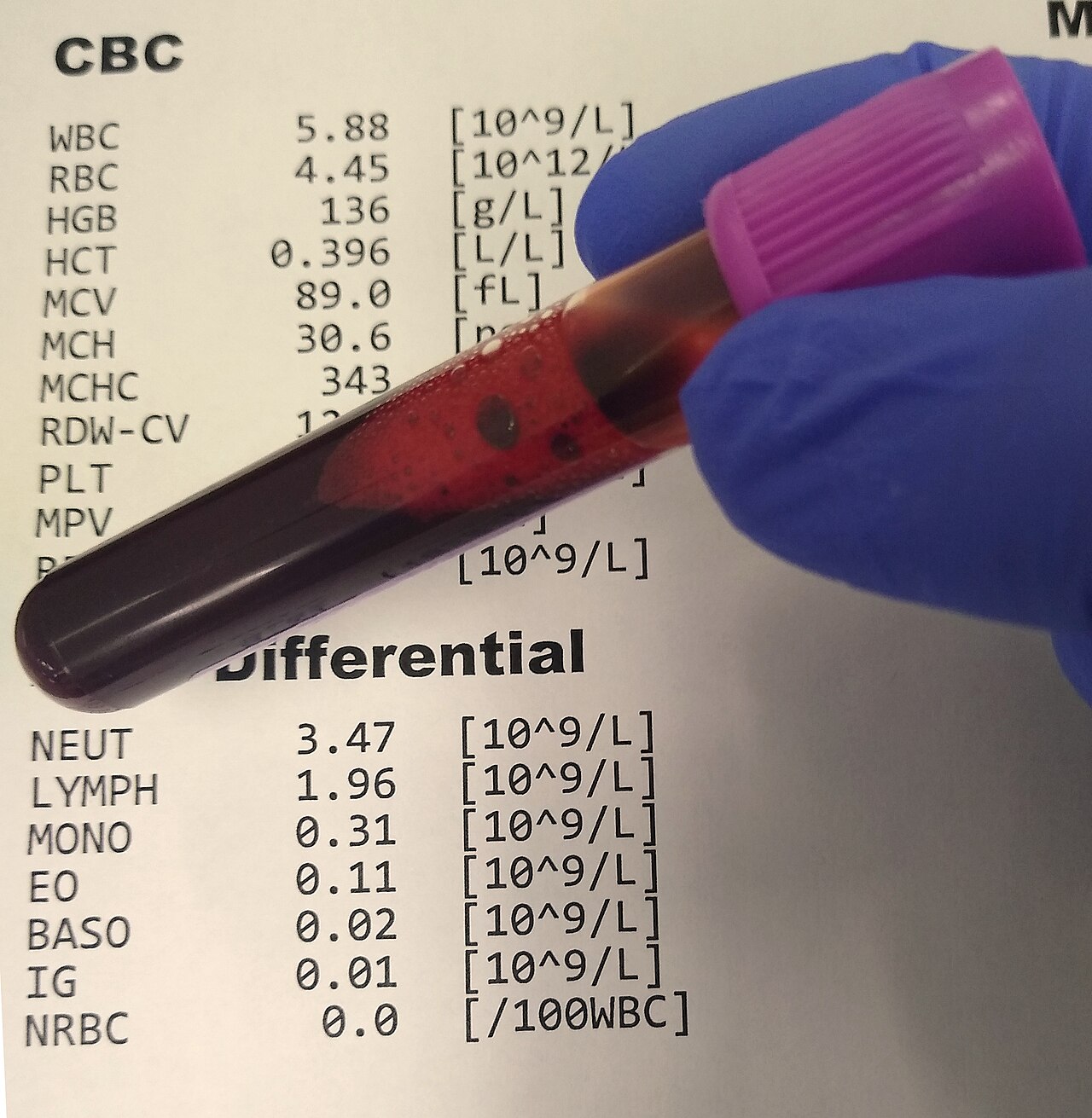
The biggest variable is not the physical exam itself. It is the blood work and imaging add-ons. A standard blood panel (CBC, metabolic panel, lipid panel, and thyroid) costs $100 to $250 at an independent lab. Add a fasting glucose test, vitamin D level, and PSA screening, and the lab bill climbs to $300 to $500. Full-body MRI screening, marketed aggressively by direct-to-consumer clinics, adds $500 to $2,500 to the total. Understanding what each component costs separately helps you evaluate whether a bundled package is actually a deal or just a markup with a health label.
Insurance Coverage and the Out-of-Pocket Gap
Under the Affordable Care Act, most insurance plans cover one preventive wellness visit per year at no cost to the patient. That visit typically includes blood pressure screening, cholesterol check, diabetes screening for adults over 35, and age-appropriate cancer screenings like mammograms and colonoscopies. The catch is that the covered visit is defined narrowly. If your doctor orders tests beyond the standard preventive bundle, those labs and scans are billed separately.
A 2025 KFF analysis found that 38% of adults who received a preventive physical received at least one additional lab test not covered under the free annual visit, resulting in an average surprise bill of $180. The gap between what insurance covers and what patients expect is where most frustration lives. Knowing the boundary between covered preventive care and additional diagnostic testing prevents unexpected charges.
Which Tests Are Actually Worth Paying For
The United States Preventive Services Task Force (USPSTF) publishes evidence-based screening recommendations for average-risk adults. For adults in their 30s and 40s, the core screenings include blood pressure at least once a year, cholesterol panel every four to six years, diabetes screening starting at age 35, and cervical cancer screening every three years for women. These are the tests with the strongest evidence that they catch disease early enough to change outcomes.
For adults over 50, the list expands to include mammography every two years for women, colonoscopy starting at age 45, and lung cancer screening for adults with a significant smoking history. The USPSTF explicitly recommends against certain screenings for average-risk adults, including routine thyroid screening in non-pregnant adults without symptoms, PSA screening without a shared decision conversation, and screening for type 2 diabetes in adults under 35 without risk factors. Following these guidelines means you pay for the tests that matter and skip the ones that do not.
Expensive Tests Most Doctors Would Not Order for You
The full-body MRI is the most visible example of a test that sounds comprehensive but lacks evidence for routine screening. A 2024 JAMA Internal Medicine study found that full-body MRI screening detected clinically significant findings in only 1.8% of asymptomatic adults, while producing false-positive results in over 12% of participants. The false positives triggered additional imaging, biopsies, and specialist referrals that added an average of $2,800 in downstream costs per patient. Major medical societies, including the American College of Radiology, recommend against full-body MRI screening for average-risk individuals.
Comprehensive tumor marker panels are another category where marketing outpaces evidence. Markers like CA-125, CEA, and AFP are designed to monitor known cancers, not screen for unknown ones in healthy people. A 2025 BMJ systematic review found that routine tumor marker screening in asymptomatic adults produced a false-positive rate exceeding 20%, with no measurable reduction in cancer mortality. The American Cancer Society explicitly states that tumor markers should not be used for cancer screening in people without symptoms. Paying $200 to $800 for a tumor marker panel is buying anxiety, not detection.
The Real Cost of Comprehensive Screening Packages
Concierge health clinics sell full body checkup packages that bundle dozens of tests into a single price. A typical package might include a physical exam, 30-plus blood markers, EKG, chest X-ray, abdominal ultrasound, body composition analysis, and a 60-minute consultation. The sticker price of $1,500 to $3,000 creates the impression of thoroughness. But thoroughness is not the same as value.
A careful review of these packages reveals that many include tests with no proven benefit for the patient's age and risk profile. Vitamin panels, hormone levels, food sensitivity tests, and heavy metal screening are common additions that sound important but fall outside evidence-based screening guidelines. The tests that do matter, like a CBC, metabolic panel, and lipid panel, could be purchased individually for under $200. The remainder is markup on tests that your doctor would likely not order for you.
How to Get the Right Screening at the Right Price
The most cost-effective approach to a full body checkup starts with a conversation with your primary care doctor about your personal risk factors. Family history, lifestyle, age, and existing conditions determine which screenings are appropriate for you. A 35-year-old with no family history of cancer and normal blood pressure needs a different panel than a 55-year-old with a parent who had colon cancer and a history of high cholesterol.
If you are paying out of pocket, order the core labs through an independent lab rather than a hospital outpatient department. Quest Diagnostics and LabCorp both publish cash prices for common panels, and direct-to-consumer lab ordering services offer the same tests at 40% to 60% less than hospital billing. For a deeper breakdown of affordable lab testing options, see our guide on [cheap lab tests without insurance](https://premedice.com/news/cheap-lab-tests-without-insurance). The savings from choosing the right facility and skipping unnecessary tests can easily exceed $500 per year.
Using AI to Understand Your Screening Results
Once you have your lab results, understanding what each number means is the next challenge. AI-powered lab interpreters translate medical values into plain English, flagging abnormal results and explaining what each marker suggests about your health. Platforms like Premedice pair AI interpretation with links to deeper guides on specific panels, such as [five life-saving blood tests](https://premedice.com/news/lab-results-12-numbers-that-matter/) that every adult should understand.
AI tools are particularly useful for spotting patterns across multiple markers that a single-number review might miss. A slightly elevated creatinine paired with a declining eGFR tells a different story than either number alone. For a full walkthrough of how AI interprets multi-marker patterns, read our guide on [understand lab results without a doctor](https://premedice.com/news/understand-lab-results-without-a-doctor). If you are experiencing symptoms before your checkup, an [AI symptom checker](https://premedice.com/news/ai-symptom-checker-medical) can help you prepare specific questions for your doctor rather than walking in with vague concerns.
Questions to Ask Before You Pay for Any Screening Package
Before purchasing any full body checkup package, ask the clinic three questions. First, which tests in this package are recommended by the USPSTF for my age and risk profile? If the clinic cannot answer this clearly, the package is likely padded with non-evidence-based tests. Second, what is the total cost broken down by component? A clinic that obscures individual test pricing is often hiding a significant markup on tests you could order separately for less.
Third, how will the results be communicated, and is a follow-up consultation included? A stack of lab values without a doctor to interpret them is not a screening. It is a data dump. If the package does not include a consultation to discuss findings, you will need to schedule one separately, adding another $150 to $300 to the total. For guidance on navigating those conversations, our article on [how much does a second opinion cost](https://premedice.com/news/how-much-does-a-second-opinion-cost) breaks down what to expect when you seek additional clinical perspective on your results.
Ready to try Premedice?
Get instant, AI-powered explanations of your lab results and symptoms — powered by 300+ medical databases.
Continue Reading

Most Popular
Best AI Medical Models in 2026: MedQA Scores Compared
ResearchMedGemma: Open-Source Medical AI That Runs on Your Hardware
TechnologyMed-PaLM 2: 86.5% MedQA Score, Zero Doctors Using It (2026)
ResearchAI Symptom Checker Architecture: How Premedice Cuts Hallucinations 3.8x
TechnologyMedical AI Privacy: AES-256 + Zero-Knowledge Architecture
SecurityDr. Elena Rostova, MD, PhD
Clinician-researcher with 14 years in clinical informatics and ML evaluation for healthcare systems.
Expert Takeaway
The most effective full body checkup is not the most expensive one. It is the one tailored to your age, sex, family history, and risk factors. Evidence-based screening targets the conditions most likely to affect you, while skipping the tests that generate false positives, unnecessary anxiety, and cascading follow-up costs.
Browse by Topic
QFrequently Asked Questions
Q1How much does a full body checkup cost without insurance?
A basic full body checkup with standard blood work costs $150 to $350 at a community clinic or urgent care center. Hospital outpatient departments charge $500 to $1,200 for the same exam. Concierge or executive health packages range from $2,000 to $5,000 and include advanced imaging that is rarely necessary for average-risk adults.
Q2How often should I get a full body health screening?
Most adults should have a preventive wellness visit once per year. However, the specific tests within that visit vary by age and risk factors. Adults under 50 with no risk factors may only need blood pressure, cholesterol, and diabetes screening every few years. Adults over 50 should add cancer screenings like mammography and colonoscopy according to USPSTF guidelines.
Q3Does insurance cover a full body checkup?
Under the ACA, most insurance plans cover one annual preventive wellness visit at no cost. This includes blood pressure, cholesterol, and diabetes screening. Additional tests beyond the standard preventive bundle, such as advanced imaging or specialized lab panels, are typically billed separately and may require a copay or deductible payment.
Q4Are full-body MRIs worth the cost for preventive screening?
No. The American College of Radiology recommends against full-body MRI screening for average-risk adults. A 2024 JAMA Internal Medicine study found that full-body MRIs detected clinically significant findings in only 1.8% of asymptomatic adults while producing false positives in over 12% of participants, leading to unnecessary downstream costs averaging $2,800 per patient.
Q5What blood tests should be included in a routine checkup?
A standard blood panel for a routine checkup should include a complete blood count (CBC), comprehensive metabolic panel (CMP), lipid panel for cholesterol, and thyroid-stimulating hormone (TSH) test. Depending on your age and risk factors, your doctor may also recommend fasting glucose, vitamin D, or PSA screening.
Verified References & Literature
US Preventive Services Task Force: Screening Recommendations for Adults
USPSTF / JAMA, 2025
View SourceClinical Utility of Whole-Body MRI Screening in Asymptomatic Adults: A Randomized Clinical Trial
JAMA Internal Medicine, 2024
View SourceTumor Markers for Cancer Screening in Asymptomatic Adults: Systematic Review and Meta-Analysis
BMJ, 2025
View SourceOut-of-Pocket Costs for Preventive Services Under the Affordable Care Act
Kaiser Family Foundation, 2025
View SourceGet a structured second read in seconds
Upload lab results, describe symptoms, or ask about a diagnosis — Premedice gives you medically-grounded answers backed by 30+ clinical databases.