
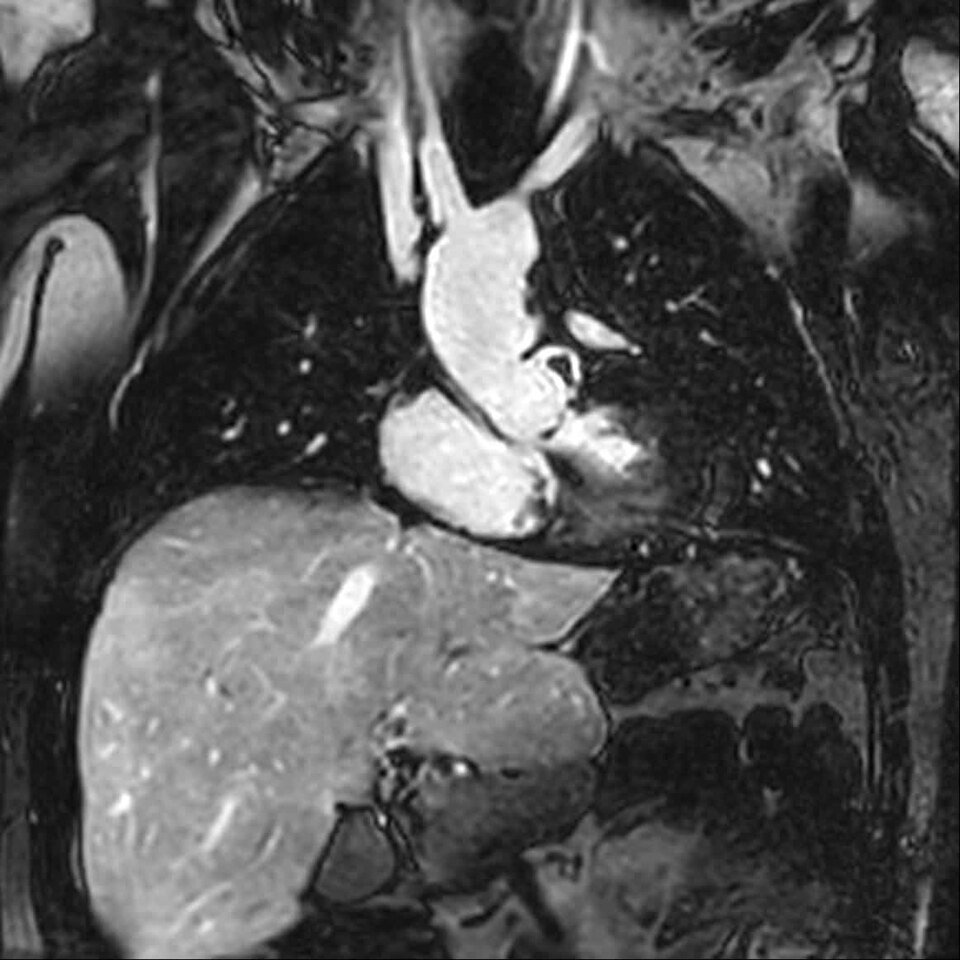
Heart Disease Symptoms: 7 Warning Signs You Shouldn't Ignore
Summary & Key Takeaway
Heart disease is a group of conditions affecting the heart and blood vessels — including coronary artery disease, heart failure, and arrhythmias — and remains the leading cause of death globally, claiming more lives than all forms of cancer combined. Yet many people — especially women, older adults, and those with diabetes — experience heart disease symptoms that are subtle, atypical, or easy to dismiss. While Hollywood portrays heart attacks as dramatic chest-clutching events, reality is often more nuanced: it might be unusual fatigue that doesn't resolve, jaw pain that comes and goes, or shortness of breath during activities that used to be easy. Knowing the warning signs — and acting on them — can be the difference between a treatable condition and a catastrophic event. Understanding how AI tools are improving cardiac monitoring can also help you stay vigilant about your cardiovascular health.
?? Core Insights
- Chest discomfort (pressure, squeezing, fullness, or pain lasting more than a few minutes) is the most common heart attack symptom, but up to 30% of heart attacks present without chest pain
- Women are more likely to experience atypical symptoms: unusual fatigue, shortness of breath, nausea, back pain, and jaw pain — leading to delayed diagnosis and treatment
- Shortness of breath during normal activities (walking up stairs, carrying groceries) that is new or worsening can signal heart failure or coronary artery disease
- Heart disease symptoms can appear weeks or months before a cardiac event — warning signs like intermittent chest discomfort, exercise intolerance, and unusual fatigue are opportunities for early intervention
- Call 911 immediately if you experience chest pain lasting more than 5 minutes, shortness of breath at rest, sudden severe fatigue, fainting, or a combination of symptoms. Time is muscle — every minute of heart attack delays reduces survival. [Premedice](/) can help you evaluate your cardiovascular risk factors and determine whether your symptoms warrant urgent evaluation
Try it yourself — free
Experience the medical AI that powers this article. Ask questions, check symptoms, or analyze lab results.
Not sure which tool fits? Compare what Premedice does.
The Classic Sign: Chest Discomfort
Chest discomfort during a heart attack is often described not as sharp pain but as pressure, squeezing, fullness, or a heavy ache — as if someone is sitting on your chest. It typically lasts more than a few minutes, may come and go, and can be triggered by physical exertion or emotional stress. The discomfort may radiate to the left arm, jaw, neck, back, or shoulder. It may be accompanied by cold sweating, nausea, or lightheadedness. The key distinguishing feature from musculoskeletal chest pain (which is sharp, localized, and reproducible with movement or pressing) is that cardiac chest discomfort is diffuse, deep, and worsens with exertion.
Not all heart attacks involve chest pain. Up to 30% of heart attacks — and an even higher percentage in women, older adults, and people with diabetes — occur without classic chest pain. These 'silent' or atypical presentations are more dangerous precisely because they're less likely to prompt emergency care. If you experience any combination of unexplained shortness of breath, unusual fatigue, nausea, or pain in the jaw, neck, back, or arm — especially if it's new, sudden, or unexplained — heart disease should be considered, even without chest pain.
Atypical Symptoms: What Women and Diabetics Should Know
Women are significantly more likely than men to experience heart attacks without chest pain. Common atypical symptoms in women include extreme fatigue (feeling suddenly exhausted from routine activities), shortness of breath (especially without exertion), nausea or vomiting, back pain (between the shoulder blades), jaw pain, and dizziness. These symptoms may be dismissed as stress, indigestion, or menopause, leading to dangerous delays in seeking care. Studies show that women wait an average of 37 hours longer than men before seeking treatment for heart attack symptoms.
People with diabetes face a similar challenge. Diabetic neuropathy can blunt the pain signals from a heart attack, leading to 'silent' myocardial infarctions that are discovered only later during routine testing. If you have diabetes and experience unexplained shortness of breath, fatigue, nausea, or a general feeling of being unwell, cardiac evaluation is warranted even without chest pain. Age is another factor: older adults are more likely to present with confusion, syncope (fainting), or general weakness rather than chest pain.
Heart Failure Symptoms: The Slow Build
Heart failure — a condition where the heart can't pump blood efficiently — often develops gradually, and early symptoms are easy to attribute to aging, deconditioning, or stress. The most common early sign is exercise intolerance: activities that were previously easy (walking up a flight of stairs, carrying groceries) become noticeably harder, and you find yourself catching your breath. Shortness of breath when lying flat (orthopnea) — needing to prop yourself up with pillows to breathe comfortably — is a classic sign. Swelling in the legs, ankles, or feet (edema) indicates fluid retention from poor cardiac output.
Other heart failure symptoms include persistent cough (especially when lying down, sometimes with pink or white mucus), rapid or irregular heartbeat, reduced ability to exercise, and sudden weight gain (2–3 pounds in a day or 5+ pounds in a week) from fluid retention. If you notice any of these symptoms — particularly the combination of exercise intolerance and shortness of breath when lying flat — cardiac evaluation is essential. Heart failure is highly treatable when caught early, but untreated heart failure progressively worsens.
When to Call 911: Don't Wait It Out
Time is muscle during a heart attack. Every minute of delay reduces the chance of survival and increases heart damage. Call 911 (not your doctor, not a friend — 911) if you experience: chest pain or discomfort lasting more than 5 minutes; chest pain accompanied by shortness of breath, sweating, nausea, or arm/jaw pain; sudden severe shortness of breath at rest; sudden loss of consciousness or fainting; or a sudden, severe feeling of anxiety or 'impending doom' with any physical symptoms. Paramedics can begin treatment in the field — including ECGs, aspirin, and defibrillation if needed — and will transport you to the appropriate cardiac center.
A common and dangerous mistake is 'waiting to see if it goes away.' Many people experiencing a heart attack delay calling for help because they're not sure it's serious, they don't want to embarrass themselves if it turns out to be nothing, or they think they should drive themselves to the hospital. Don't. Calling 911 is faster than self-transport, safer (you may lose consciousness), and paramedics begin life-saving treatment immediately. Aspirin, nitroglycerin, and cardiac catheterization within the first 90 minutes dramatically improve survival.
Ready to try Premedice?
Get instant, AI-powered explanations of your lab results and symptoms — powered by 300+ medical databases.
Continue Reading
Most Popular
Best AI Medical Models in 2026: MedQA Scores Compared
ResearchMedGemma: Open-Source Medical AI That Runs on Your Hardware
TechnologyMed-PaLM 2: 86.5% MedQA Score, Zero Doctors Using It (2026)
ResearchAI Symptom Checker Architecture: How Premedice Cuts Hallucinations 3.8x
TechnologyMedical AI Privacy: AES-256 + Zero-Knowledge Architecture
SecurityDr. James Whitfield, MD, FACC
Dr. Whitfield is a board-certified interventional cardiologist with expertise in cardiovascular disease prevention and early detection.
Expert Takeaway
Heart disease symptoms vary widely between individuals. Chest pain is the most recognized sign, but many heart attacks — especially in women — present without it. Unusual fatigue, shortness of breath, jaw pain, and exercise intolerance are equally important. When in doubt, seek emergency evaluation.
Browse by Topic
QFrequently Asked Questions
Q1Can young people get heart disease?
Yes, though risk increases with age. Heart disease risk factors — high blood pressure, high cholesterol, diabetes, smoking, obesity, and family history — can cause plaque buildup starting in your 20s and 30s. About 1 in 5 heart attack patients is under 40. Maintaining healthy habits early in life significantly reduces lifetime risk.
Q2What's the difference between a heart attack and cardiac arrest?
A heart attack is blocked blood flow to the heart muscle — you're conscious and feel symptoms. Cardiac arrest is an electrical malfunction where the heart stops entirely — you lose consciousness immediately. A heart attack can lead to cardiac arrest, but they are different events.
Q3Can heart disease be reversed?
Early coronary artery disease can sometimes be partially reversed with aggressive lifestyle changes (plant-based diet, regular exercise, smoking cessation, stress management) and medication (statins, blood pressure control). Advanced disease with significant plaque buildup is harder to reverse but can be stabilized. The key is catching it early and making sustained lifestyle changes.
Q4Are heart disease symptoms different for men and women?
Yes. Men are more likely to experience classic chest pain. Women more often present with atypical symptoms: unusual fatigue, shortness of breath, nausea, back pain, jaw pain, and dizziness — often without chest pain. Women also tend to delay seeking treatment because their symptoms don't match the 'classic' heart attack image. Both sexes should take any new, unexplained cardiovascular symptom seriously.
Q5How can AI help monitor heart health?
AI tools can analyze ECG patterns, track heart rate variability, monitor blood pressure trends, and detect early cardiovascular disease. Premedice integrates cardiac data with other health metrics for comprehensive risk assessment. Early detection is one of the most powerful tools against heart disease.
Verified References & Literature
Heart Disease and Stroke Statistics: A Report From the American Heart Association
Circulation (AHA Journals), 2025
View SourceAtypical Presentations of Myocardial Infarction in Women
New England Journal of Medicine, 2024
View SourceGet a structured second read in seconds
Upload lab results, describe symptoms, or ask about a diagnosis — Premedice gives you medically-grounded answers backed by 30+ clinical databases.