AI Rare Disease Finder: When Doctors Can't Diagnose You
Summary & Key Takeaway
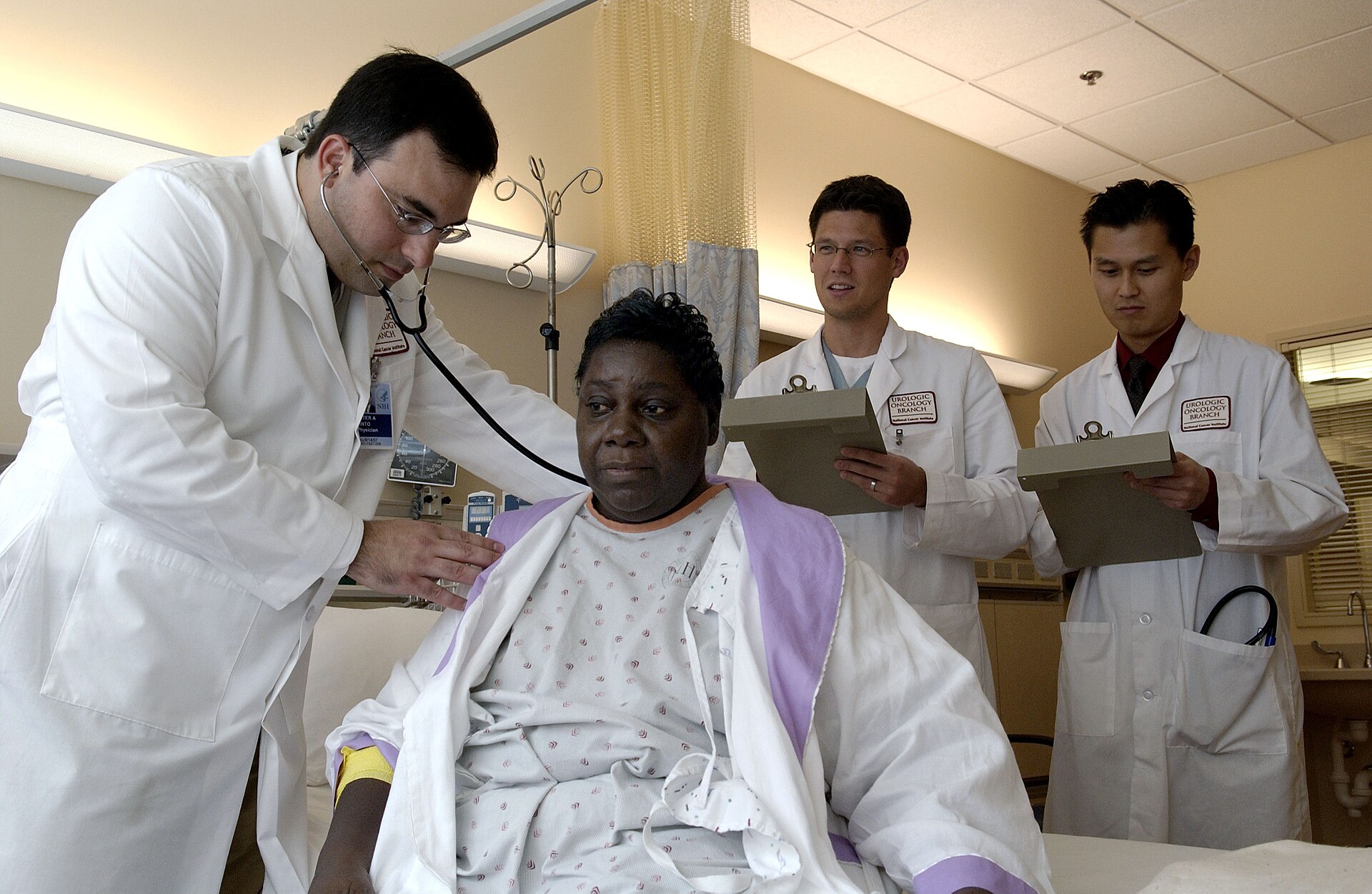
You've been to six specialists in four years. Each one ran their own tests, found nothing conclusive, and referred you to the next. Your symptoms are real — the fatigue, the joint pain, the brain fog, the digestive issues — but no single doctor can connect the dots across all of them. You're starting to wonder if you're imagining it. You're not. Rare diseases affect 300 million people worldwide, and the average patient sees 7.3 physicians over 4.8 years before receiving a correct diagnosis. AI doesn't have the blinders that come from specialty silos. It sees your whole picture at once — and it can connect symptoms across systems that no single specialist would link together.
?? Core Insights
- The average rare disease patient sees 7.3 doctors over 4.8 years before getting a correct diagnosis.
- AI can connect symptoms across medical specialties that human doctors organize into separate silos.
- Premedice's dual-model AI analyzes your full symptom picture and generates differentials that span cardiology, neurology, gastroenterology, and immunology simultaneously.
- AI is most valuable for rare disease when you have multiple unexplained symptoms across different body systems.
- AI rare disease identification is a screening tool — it suggests possibilities to bring to your doctor, not a final diagnosis.
Try it yourself — free
Experience the medical AI that powers this article. Ask questions, check symptoms, or analyze lab results.
Not sure which tool fits? Compare what Premedice does.
Why Rare Diseases Are So Hard to Diagnose
There are over 7,000 known rare diseases, affecting approximately 300 million people worldwide. Despite the large total number, each individual rare disease is uncommon — which creates a fundamental diagnostic challenge: most doctors rarely see a given rare disease, so they don't think of it when evaluating symptoms.
The average rare disease patient sees 7.3 physicians over 4.8 years before receiving a correct diagnosis. During that time, they accumulate an average of 2-3 misdiagnoses. The reasons are predictable: symptoms are dismissed as stress, anxiety, or normal aging. Test results come back 'normal' because the specific test for the rare condition wasn't ordered. And each specialist only sees their piece of the puzzle — the cardiologist doesn't know about the GI symptoms, and the gastroenterologist doesn't know about the neurological complaints.
AI systems don't have this limitation. An AI evaluates your entire symptom profile simultaneously, across all body systems, without specialty silos. When you describe fatigue, joint pain, brain fog, and digestive issues together, the AI can identify conditions that connect all four — conditions that no single specialist would consider because they only see their piece.
The AI rare disease diagnosis guide explains how AI is changing the rare disease diagnostic landscape.
How AI Connects Symptoms Across Specialties
The key insight is that rare diseases often present across multiple body systems. Ehlers-Danlos syndrome affects joints, skin, and the digestive system. Lupus can affect joints, kidneys, skin, brain, and blood. Mast cell activation syndrome can cause symptoms in the skin, GI tract, cardiovascular system, and nervous system simultaneously.
When you see a cardiologist about your heart palpitations, they evaluate your heart. When you see a gastroenterologist about your bloating, they evaluate your gut. Neither one connects the palpitations to the bloating. But an AI system sees both symptoms together and asks: what condition could explain both?
Premedice's dual-model AI takes this further by having two independent models evaluate your case simultaneously. If Gemini identifies a condition that Claude also identifies — from a completely different starting point — the confidence that both are pointing to the same answer increases substantially.
The mixed signals symptoms guide explains how AI connects symptoms that doctors organize into separate categories.
When to Use AI for Rare Disease Identification
AI rare disease identification is most valuable in specific situations. Here's when to use it.
When you've been to multiple specialists with no answer: If you've seen 3+ doctors and still don't have a diagnosis, AI can provide a fresh perspective that crosses specialty boundaries.
When you have symptoms in multiple body systems: If your symptoms span cardiology, neurology, gastroenterology, and immunology, AI can evaluate the full picture simultaneously.
When your tests come back 'normal' but you still feel sick: Many rare diseases don't show up on standard panels. AI can suggest specific tests that your doctor may not have ordered.
When doctors say 'it's just stress' or 'it's in your head': If you're being dismissed despite real symptoms, AI can validate your experience by identifying conditions that explain your presentation.
When you want to prepare for a specialist visit: AI can generate a differential diagnosis that gives your specialist specific conditions to investigate, making your visit more productive.
AI Rare Disease Accuracy: What to Realistically Expect
AI rare disease identification is promising but has clear limitations that you should understand.
What AI does well: Identify conditions that connect multiple symptoms across body systems. Generate differential diagnoses that you can bring to your doctor. Suggest specific tests that might confirm or rule out a suspected condition. Provide evidence from medical literature about rare conditions you haven't heard of.
What AI doesn't do well: Achieve high accuracy on rare diseases with limited training data. Replace the clinical judgment of a physician who specializes in rare diseases. Perform physical examinations that are often necessary for rare disease diagnosis. Account for the full complexity of multi-system presentations.
Realistic accuracy: For common conditions, AI achieves 73-80% top-5 accuracy. For rare diseases, accuracy is significantly lower — perhaps 30-50% for top-5, depending on how rare the condition is and how well it presents in the AI's training data.
The practical approach: Use AI to generate possibilities, then work with your doctor to investigate the most likely ones. The when you've run out of medical options guide provides a framework for navigating diagnostic dead ends.
How to Present Your Case to AI for the Best Results
The quality of AI rare disease identification depends on the completeness of the information you provide. Here's how to present your case.
List ALL your symptoms, across all body systems. Don't filter. Include the 'minor' symptoms you've stopped mentioning to doctors because they seemed irrelevant. Every symptom is a data point that might connect to a diagnosis.
Include the timeline. When did each symptom start? Have they gotten worse, better, or stayed the same? Is there a pattern (worse in the morning, worse after eating, worse with stress)?
List all the tests you've had and their results. Include 'normal' results — they're just as important as abnormal ones because they rule out conditions.
List all the doctors you've seen and their specialties. This helps the AI understand which body systems have been evaluated and which haven't.
Describe what makes your symptoms better or worse. This is the same information a doctor gathers during a clinical history, and it's often the key to identifying the pattern.
The medical AI prompt pattern explains how to structure your presentation for the most useful AI analysis.
Ready to try Premedice?
Get instant, AI-powered explanations of your lab results and symptoms — powered by 300+ medical databases.
Continue Reading

Most Popular
Best AI Medical Models in 2026: MedQA Scores Compared
ResearchMedGemma: Open-Source Medical AI That Runs on Your Hardware
TechnologyMed-PaLM 2: 86.5% MedQA Score, Zero Doctors Using It (2026)
ResearchAI Symptom Checker Architecture: How Premedice Cuts Hallucinations 3.8x
TechnologyMedical AI Privacy: AES-256 + Zero-Knowledge Architecture
SecurityDr. Elena Rostova, MD, PhD
Dr. Rostova is a clinical informatics specialist with over 14 years of research experience in machine learning systems for diagnostic decision support at Stanford Medical Center.
Expert Takeaway
AI's greatest value in rare disease is its ability to see across specialty boundaries. A cardiologist looks at your heart. A gastroenterologist looks at your gut. A neurologist looks at your nerves. An AI system sees all of them simultaneously and can identify patterns that cross system boundaries — which is exactly where rare diseases often present.
Browse by Topic
QFrequently Asked Questions
Q1Can AI diagnose rare diseases?
AI can suggest rare diseases that match your symptom profile, but it cannot make a formal diagnosis. It provides possibilities to investigate with your doctor.
Q2How accurate is AI for rare disease identification?
AI is most accurate for common conditions (73-80% top-5 accuracy). For rare diseases, accuracy is lower (30-50%) but still valuable as a screening tool to generate possibilities.
Q3When should I use AI for rare disease identification?
Use AI when you've seen multiple specialists with no answer, have symptoms across multiple body systems, or your tests come back 'normal' despite feeling unwell.
Q4What information should I provide for the best results?
List all symptoms across all body systems, include the timeline, list all tests and results (including normal ones), and describe what makes symptoms better or worse.
Q5Should I trust AI over my doctor for rare disease?
No. AI generates possibilities to investigate. Your doctor has the clinical judgment, physical examination capability, and specialist network to confirm or rule out suspected conditions.
Verified References & Literature
AI and Rare Diseases: How Machine Learning Is Finding Answers Doctors Can't
Premedice, 2026
View SourceWhen Your Body Sends Mixed Signals: How AI Connects Symptoms No Doctor Links Together
Premedice, 2026
View SourceGet a structured second read in seconds
Upload lab results, describe symptoms, or ask about a diagnosis — Premedice gives you medically-grounded answers backed by 30+ clinical databases.