
Pregnancy Health: Essential Tests, Warning Signs, and AI Support
Summary & Key Takeaway
Pregnancy health encompasses the medical care, nutrition, screening tests, and lifestyle practices that support a healthy pregnancy and fetal development — from preconception through delivery. Pregnancy is one of the most physically demanding experiences a human body can undergo — and one of the most medically monitored. From the moment you see a positive pregnancy test, you enter a world of prenatal visits, blood tests, ultrasounds, and a flood of well-meaning (but sometimes contradictory) advice. Understanding what tests you actually need, what symptoms are normal versus concerning, and how to support your health and your baby's development is essential. Modern tools — including AI-powered health monitoring — can help you track your pregnancy metrics, identify potential issues early, and feel more confident throughout the process. [Premedice](/) can help you evaluate pregnancy symptoms, review test results, and determine whether your symptoms warrant medical evaluation.
?? Core Insights
- Essential prenatal tests include first-trimester screening (blood tests + nuchal translucency ultrasound), anatomy ultrasound (18–22 weeks), glucose tolerance test (24–28 weeks), and Group B Strep screening (36 weeks)
- Warning signs requiring immediate evaluation include: vaginal bleeding, severe abdominal pain, severe headache with visual changes (preeclampsia), fever >101°F, decreased fetal movement, and leaking fluid
- Prenatal nutrition requires key supplements: folic acid (400–800 mcg/day before and during first trimester), iron (27 mg/day during pregnancy), DHA (200–300 mg/day), and prenatal vitamins
- Gestational diabetes affects 6–9% of pregnancies and is managed through diet, exercise, and sometimes insulin — it typically resolves after delivery but increases future type 2 diabetes risk
- AI-powered pregnancy tracking tools can monitor weight gain, blood pressure, glucose levels, fetal movement, and symptom patterns, providing personalized alerts and insights. [Premedice](/) can help you review prenatal test results and track your pregnancy health metrics
Try it yourself — free
Experience the medical AI that powers this article. Ask questions, check symptoms, or analyze lab results.
Want to know what a tool does with a panel like yours? See how the lab interpreter reads a blood panel.
Related Lab Tests
Prenatal Tests: What You Actually Need
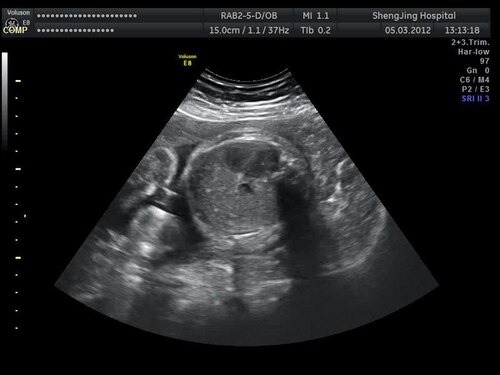
First-trimester screening (11–13 weeks) combines maternal blood tests (measuring PAPP-A and free beta-hCG) with nuchal translucency ultrasound (measuring the fluid-filled space at the back of the baby's neck) to screen for chromosomal abnormalities like Down syndrome (trisomy 21) and trisomy 18. This screening has about 90% detection rate for Down syndrome. Non-invasive prenatal testing (NIPT) is a blood test analyzing fetal DNA fragments in maternal blood, providing more accurate screening (>99% for Down syndrome) from 10 weeks onward. NIPT can determine fetal sex and blood type as well.
The anatomy ultrasound (18–22 weeks) is a detailed survey of fetal anatomy — evaluating the brain, heart, spine, kidneys, limbs, and other structures for abnormalities. It's the most comprehensive assessment of fetal development during pregnancy. The glucose tolerance test (24–28 weeks) screens for gestational diabetes — you drink a glucose solution and your blood sugar is measured at one or two hours. The Group B Strep (GBS) screening (36 weeks) checks for colonization with Group B Streptococcus bacteria, which can be passed to the baby during vaginal delivery. If GBS-positive, IV antibiotics during labor reduce the risk of neonatal infection. Additional tests (amniocentesis, CVS) are available for high-risk pregnancies or when screening suggests abnormality.
Trimester-by-Trimester Changes
First trimester (weeks 1–12): The most physically demanding trimester for many women. Nausea and vomiting (affecting 70–80% of pregnancies, peaking at 8–10 weeks), extreme fatigue, breast tenderness, frequent urination, and food aversions/cravings are common. The baby's major organs form during this period, making it the most critical time for avoiding teratogens (alcohol, tobacco, certain medications, excessive caffeine). Folic acid supplementation is essential in this period to prevent neural tube defects.
Second trimester (weeks 13–26): Often called the 'golden trimester' as nausea typically resolves and energy returns. The baby begins moving (felt between 16–22 weeks, called 'quickening'), the belly becomes visibly pregnant, and the anatomy ultrasound provides reassurance about fetal development. Common symptoms include back pain (from shifting center of gravity), round ligament pain (sharp pelvic pain with movement), leg cramps, and nasal congestion (pregnancy rhinitis). Third trimester (weeks 27–40): The baby grows rapidly, and physical discomfort increases — shortness of breath (from the uterus pressing on the diaphragm), heartburn, swelling in feet/ankles, difficulty sleeping, and Braxton Hicks contractions (practice contractions). Fetal movement should be consistent — decreased movement after 28 weeks requires evaluation. The baby's lungs mature in the final weeks, and delivery typically occurs between 37–41 weeks.
Warning Signs: When to Call Your Doctor
Certain symptoms during pregnancy are never normal and require immediate evaluation. Vaginal bleeding — any amount, at any time — should be reported to your provider. While some spotting can be benign (especially in the first trimester), bleeding can also indicate miscarriage, placenta previa, or placental abruption. Severe abdominal pain (not mild cramping) may indicate ectopic pregnancy (first trimester), placental abruption, or preterm labor. A severe headache with visual changes (blurring, seeing spots, light sensitivity) can indicate preeclampsia — a dangerous condition involving high blood pressure and organ damage that requires urgent evaluation.
Fever above 101°F (38.3°C) can indicate infection, which can trigger preterm labor. Decreased fetal movement — if you notice your baby moving significantly less than usual, especially after 28 weeks, do a 'kick count' (you should feel at least 10 movements in 2 hours during active periods) and call your provider if the count is low. Leaking fluid (a gush or steady trickle of clear fluid from the vagina) may indicate rupture of membranes (water breaking), even before labor contractions begin. If you experience any of these symptoms, call your provider or go to the emergency department — do not wait. Early evaluation and intervention can be life-saving for both you and your baby.
Nutrition, Exercise, and Support
Prenatal nutrition focuses on key nutrients: folic acid (400–800 mcg daily, ideally starting before conception) prevents neural tube defects; iron (27 mg daily) supports increased blood volume and prevents anemia; DHA (200–300 mg daily) supports fetal brain and eye development; calcium (1,000 mg daily) supports fetal bone development; and vitamin D (600 IU daily) aids calcium absorption. A prenatal vitamin covers most of these needs. Eat a balanced diet rich in fruits, vegetables, lean proteins, and whole grains. Avoid raw/undercooked meats, high-mercury fish (swordfish, king mackerel, tilefish), unpasteurized dairy, and excessive caffeine (under 200 mg/day, about one 12-oz coffee).
Exercise during pregnancy is not only safe but recommended — 150 minutes of moderate activity per week (walking, swimming, prenatal yoga, stationary cycling) reduces the risk of gestational diabetes, preeclampsia, excessive weight gain, and postpartum depression. Avoid contact sports, activities with fall risk, hot yoga/hot tubs, and exercises lying flat on your back after 20 weeks. Emotional support is equally important — pregnancy can bring anxiety, relationship changes, and body image concerns. Partner support, prenatal classes, and mental health resources (counseling, support groups) are valuable. If you're experiencing prenatal depression or anxiety, treatment is available and safe. [Premedice](/) can help you review your prenatal nutrition, track your pregnancy metrics, and evaluate whether your symptoms warrant additional support.
Ready to try Premedice?
Get instant, AI-powered explanations of your lab results and symptoms — powered by 300+ medical databases.
Continue Reading


Most Popular
Best AI Medical Models in 2026: MedQA Scores Compared
ResearchMedGemma: Open-Source Medical AI That Runs on Your Hardware
TechnologyMed-PaLM 2: 86.5% MedQA Score, Zero Doctors Using It (2026)
ResearchAI Symptom Checker Architecture: How Premedice Cuts Hallucinations 3.8x
TechnologyMedical AI Privacy: AES-256 + Zero-Knowledge Architecture
SecurityDr. Amanda Foster, MD, FACOG
Dr. Foster is a board-certified obstetrician-gynecologist with expertise in prenatal care and maternal-fetal medicine.
Expert Takeaway
Healthy pregnancies require proper prenatal care, nutrition, awareness of warning signs, and appropriate screening. Most pregnancies proceed normally, but early detection of complications (gestational diabetes, preeclampsia, fetal abnormalities) significantly improves outcomes.
Browse by Topic
QFrequently Asked Questions
Q1Is spotting normal during pregnancy?
Light spotting can be normal in the first trimester or after intercourse. However, any bleeding should be reported to your provider — it can also indicate miscarriage, placenta previa, or other complications. Heavy bleeding or bleeding with clots/pain requires immediate evaluation.
Q2How much weight should I gain during pregnancy?
Weight gain recommendations depend on your pre-pregnancy BMI: underweight (BMI <18.5): 28–40 lbs; normal weight (BMI 18.5–24.9): 25–35 lbs; overweight (BMI 25–29.9): 15–25 lbs; obese (BMI =30): 11–20 lbs. Most weight gain occurs in the second and third trimesters. Excessive or insufficient weight gain is associated with complications — your provider will monitor your weight at each visit.
Q3Can I take medications during pregnancy?
Some medications are safe, others are not. Always inform providers about pregnancy before taking any medication. Acetaminophen is generally safe; NSAIDs should be avoided in the third trimester. Never stop or start prescribed medication without consulting your doctor.
Q4What is preeclampsia and how is it detected?
Preeclampsia involves high blood pressure (=140/90) with organ damage signs after 20 weeks, affecting 5–8% of pregnancies. Detection through regular prenatal monitoring is key. Delivery is the definitive treatment — timing depends on gestational age and severity.
Q5Can AI help monitor my pregnancy?
AI-powered pregnancy tools can track weight gain against recommended curves, monitor blood pressure trends, analyze glucose levels (especially for gestational diabetes), count fetal movements, and identify patterns in symptoms that may indicate complications. Premedice can help you review your prenatal test results, track your pregnancy health metrics, and determine whether any symptoms warrant additional medical evaluation.
Verified References & Literature
Non-Invasive Prenatal Testing: Clinical Utility and Limitations
New England Journal of Medicine, 2024
View SourceGet a structured second read in seconds
Upload lab results, describe symptoms, or ask about a diagnosis — Premedice gives you medically-grounded answers backed by 30+ clinical databases.