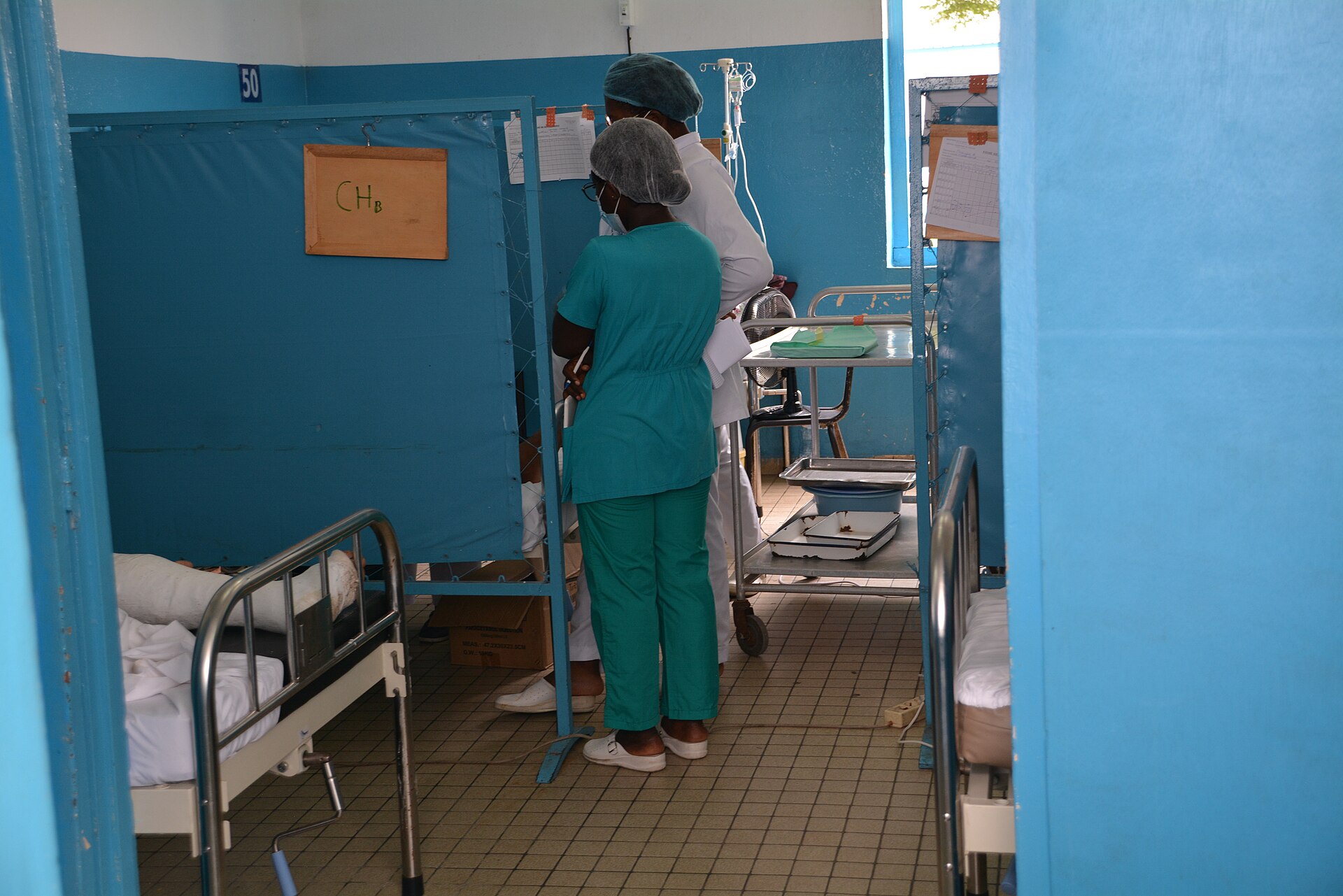
Symptoms Worse at Night? What It Means and What to Do
Summary & Key Takeaway
It is 2 a.m., the house is quiet, and the ache in your chest or the cough that has been rattling since dinner suddenly feels unbearable. You are not imagining it, and you are not alone in the dark with your phone. Research shows symptoms genuinely amplify at night, and the infrastructure for dealing with them is weakest exactly then: only about 40% of primary care practices offer extended hours, and one in five people who try to reach a clinician after hours say it is difficult (NIHCR). What matters is that you can tell the difference between a symptom that is uncomfortable and a symptom that is dangerous, and that you have a plan for both before the panic sets in.
?? Core Insights
- Body temperature, cortisol, and inflammation follow a daily rhythm, and several common symptoms genuinely spike at night: fever peaks in the evening, cough and bronchial reactivity rise when you lie down, and acid reflux worsens flat.
- Only about 40% of primary care practices offer extended hours, and people who struggle to reach a clinician after hours use emergency departments significantly more (37.7% vs 30.4%) (NIHCR).
- Real nighttime emergencies: chest pain or pressure, sudden weakness or trouble speaking, severe trouble breathing, confusion, and signs of an allergic emergency. These always warrant 911 or an ER.
- Most night flares are manageable until morning with fluids, sleep, an on-call nurse line, and a symptom journal, then a same-day clinic or telehealth visit.
- Half of Americans have never discussed sleep problems with any medical provider, so recurring nighttime symptoms stay undiagnosed and keep disrupting your life (AASM).
Try it yourself — free
Experience the medical AI that powers this article. Ask questions, check symptoms, or analyze lab results.
Not sure which tool fits? Compare what Premedice does.
Why Symptoms Genuinely Get Worse at Night
Your body is on a roughly 24-hour clock, and several of its settings change after dark. Cortisol, your natural anti-inflammatory and daytime 'get-up-and-go' hormone, drops to its lowest point overnight, which means inflammatory signals like pain, swelling, and congestion are less suppressed. Melatonin rises and shifts blood flow, fever follows a daily curve that tends to peak in the late afternoon and evening, and when you lie flat, gravity stops helping: post-nasal drip pools and drips, bronchial airways narrow slightly, and stomach acid slides up into the esophagus, all of which make cough, reflux, and congestion measurably worse in bed.
There is also a psychological amplifier at work. During the day, work, family, and stimulation crowd out bodily sensations; at 2 a.m. there is nothing left to distract you, and your mind has free rein to examine the worst reading of the feeling. A 2022 survey found 39% of Americans feel anxious specifically before medical appointments and more than half worry about not understanding their provider's terminology, so a night flare lands on already-anxious ground. Understanding both halves, the physiology and the attention, is the first step to responding calmly.
What the Data Says About After-Hours Care
The mismatch between when symptoms spike and when care is available is well documented. In a national analysis of the Health Tracking Household Survey, only 40.2% of people with a usual source of care said their practice offered extended hours at night or on weekends, and one in five people who actually tried to contact their clinician after hours described it as very or somewhat difficult (NIHCR).
The same analysis found a meaningful care consequence: people who had an easier time reaching a clinician after hours had fewer emergency department visits (30.4% versus 37.7%) and lower rates of unmet medical need (6.1% versus 13.7%). In plain terms, having a nighttime path short of the ER changes outcomes. Your job is to build that path for yourself before you need it, so a 2 a.m. fever is a decision tree, not a gamble.
Nighttime Red Flags That Always Warrant an ER
Every night-symptom plan starts with the same short list, because these conditions do not wait for morning and are exactly what emergency medicine is for. Call 911 or go to an ER immediately for: chest pain, pressure, or tightness, especially with sweating, nausea, or pain spreading to the arm or jaw; sudden weakness or numbness on one side, facial droop, or trouble speaking; severe shortness of breath or struggling to breathe; confusion, fainting, or waking unable to wake; and signs of a severe allergic reaction such as swelling of the lips or throat after eating or a sting.
Under federal law (EMTALA), any hospital with an emergency department must screen and stabilize you for an emergency condition regardless of insurance or ability to pay, so cost is legally not a reason to sit on chest pain at home. Our guide on [your rights in the emergency room without insurance](https://premedice.com/news/your-rights-emergency-room-no-insurance) explains exactly how that protection works and what to expect once you arrive. When in doubt about the red-flag list, the rule of thumb is simple: if you cannot get comfortable at all, or the symptom is sudden and severe, treat it as an emergency.
What You Can Safely Handle Until Morning
The vast majority of nighttime flares are unpleasant but manageable. A mild fever making you miserable, a sore throat, a runny nose, a mild headache, or a cough that is dry and steady are all things you can safely ride out with water within reach, a cooled room, and a decision to stay lying down rather than pacing the hallway. Acetaminophen or ibuprofen according to the label can ease fever and aches if you have no contraindications and they were safe for you before; do not invent a double dose because it is late.
Set a gentle boundary for yourself: symptoms that are mild and slowly moving are 'wait until morning'; symptoms that are sudden, severe, or worsening are 'act now.' If a mild symptom is not better by breakfast, or if the morning feeling is worse than the night feeling, that is the signal to book a same-day visit rather than hope it passes. The point of triage is not to dismiss what you feel; it is to keep a bad night from becoming an expensive and unnecessary emergency.
Call Someone Before You Panic: On-Call Lines and Nurse Hotlines
Most people do not realize their insurance plan or doctor's office has a night line. Many primary care practices route after-hours calls to an answering service that pages the on-call clinician, and most insurance cards list a 24/7 nurse advice line that is staffed specifically for this scenario. Employer telehealth and many retail clinics, including the low-cost options in our [affordable doctor care guide](https://premedice.com/news/cant-afford-doctor-what-to-do/), also run late and can often route you to a clinician within minutes.
Using these lines changes your night in three ways. First, you get a human who can tell you whether the red-flag list applies. Second, they document the call, which gives your morning visit a starting point. Third, the call itself is usually covered at little or no cost, which removes the financial dread that sends people to the ER to 'be safe.' You are not bothering anyone; this is what the infrastructure exists for. If your doctor genuinely has no after-hours option, that gap is itself information you should use to pick your next provider.
Start a 3 a.m. Symptom Journal
Write down what is happening while it is happening, because the story you tell your clinician in the morning is the diagnostic currency. Note the time the symptom started, where you feel it, what makes it worse (lying flat, coughing, moving), what you took, and whether anything woke you specifically. Add the questions you most want answered. Five minutes of note-taking at 2 a.m. replaces the vague 'it hurt all night' that costs a clinician a follow-up visit.
This is also where grounded AI tools genuinely shine. You can drop a description of the symptom, when it started, and any relevant history into a free AI medical resource and get back organized questions and a plain-English explanation to bring to the visit. Our [AI medical answers](https://premedice.com/news/medical-ai-answers) overview and the [AI symptom checker explainer](https://premedice.com/news/ai-symptom-checker-medical) walk through the safe way to do this without turning a chat tool into a doctor. The goal is not a diagnosis at 3 a.m.; it is a prepared question list by 9 a.m.
The Next-Morning Plan for That Same-Day Visit
Whatever the night felt like, the morning rule is: mild and improving, keep watching; persistent or recurring, get a same-day appointment. If cost is the barrier, the cheap path is well worn and works: [FQHC and free clinic visits](https://premedice.com/news/cant-afford-doctor-what-to-do/) run $20-50 on a sliding scale, retail clinics handle same-day basics for $40-80, and low-cost telehealth for prescriptions is another route. Each of those beats a $1,000+ ER bill for a non-emergency that peaked at night.
Bring your symptom journal and your question list, and mention that the symptom was worse at night; clinicians use exactly that pattern, worse when supine or overnight, to flag reflux, asthma, sleep apnea, and cardiac causes. If you used AI overnight to organize your thinking, share that too, because it shows the clinician you have done the information work and saves visit time. Pair cheap diagnostics with the [lab cost playbook](https://premedice.com/news/cheap-lab-tests-without-insurance) and a single follow-up can quietly resolve what felt like a crisis.
When the Same Thing Wakes You Every Night
A pattern matters more than a flare. If the same symptom wakes you repeatedly at roughly the same time, that rhythm is diagnostically loud: acid reflux commonly strikes when lying flat, asthma and cough worsen overnight as airway reactivity rises, sleep apnea announces itself with gasping and morning headaches, and some cardiac conditions produce chest pressure that is worse during the night. A recurring pattern is the difference between 'a bad night' and 'a condition that needs management.'
Despite this, half of Americans have never discussed sleep problems with any medical provider (AASM), which means thousands of people are living with nightly symptoms that are both treatable and disruptive. If a pattern recurs, make the daytime appointment and bring your journal. The [report interpretation](https://premedice.com/news/understand-lab-results-without-a-doctor) and [symptom checker](https://premedice.com/news/ai-symptom-checker-medical) resources can help you prepare for the visit, but the visit is the step that turns a nightly intruder into a managed condition.
Myths About Night Symptoms and the ER
Myth one: 'It's late so I must be overreacting, and I should wait.' Most night flares are genuinely benign, but the red-flag list exists precisely because certain conditions do not give you the courtesy of office hours. The safe filter is severity and suddenness, not the clock. Myth two: 'The ER will judge me for coming in at night.' EMTALA exists in part because hospitals know nights drive appropriate emergency visits; the accounting is done in the billing office, not against your character.
Myth three: 'If I can't see a doctor tonight, I might as well not see one at all.' The gap between midnight and morning is short, and a same-day visit closes it; permanent care beats heroic one-off care, and the [free care roadmap](https://premedice.com/news/cant-afford-doctor-what-to-do/) shows how little it costs. Myth four: 'Feeling worse at night means it's getting worse, period.' More often it means the circadian clock and gravity are doing their thing. Drop these four myths and a bad night becomes what it should be: a symptom, not a tragedy.
Ready to try Premedice?
Get instant, AI-powered explanations of your lab results and symptoms — powered by 300+ medical databases.
Continue Reading
Most Popular
Best AI Medical Models in 2026: MedQA Scores Compared
ResearchMedGemma: Open-Source Medical AI That Runs on Your Hardware
TechnologyMed-PaLM 2: 86.5% MedQA Score, Zero Doctors Using It (2026)
ResearchAI Symptom Checker Architecture: How Premedice Cuts Hallucinations 3.8x
TechnologyMedical AI Privacy: AES-256 + Zero-Knowledge Architecture
SecurityDr. Elena Rostova, MD, PhD
Dr. Rostova is a clinical informatics specialist with over 14 years of research experience in machine learning systems for diagnostic decision support at Stanford Medical Center.
Expert Takeaway
From a clinical standpoint, the night is not your enemy; the absence of triage is. The body's circadian biology genuinely intensifies some symptoms, which means feeling worse at night is frequently normal and not an emergency signal. The danger is not the 2 a.m. sensation but the decision made from it: either ignoring a red flag until morning, or spending a thousand dollars in an ER for a cold that peaked after dark. Write down what you feel, call an on-call line, use a grounded AI symptom resource to organize your thinking, and get a same-day clinician visit the next morning. That stack turns a frightening night into a well-handled night, and it costs a fraction of the ER.
Browse by Topic
QFrequently Asked Questions
Q1Why do symptoms seem worse at night?
Several real mechanisms converge after dark: cortisol, your natural daytime anti-inflammatory, drops overnight, so pain and inflammation are less suppressed; fever peaks in the late afternoon and evening; and lying flat lets post-nasal drip, reflux, and bronchial narrowing express themselves. Attention also plays a role, because at night there is nothing left to distract you from the sensation.
Q2Should I go to the ER for pain at night?
Not automatically. Sudden, severe pain, especially chest pain with sweating, nausea, or pain spreading to the arm or jaw, always warrants 911 or an ER. Mild, stable pain that you can manage by lying still and that is not getting worse can usually wait until morning, with an on-call nurse line as your first phone call. If you cannot get comfortable at all, err toward the ER.
Q3What counts as a true nighttime emergency?
Chest pain or pressure, sudden weakness or numbness, trouble speaking, severe shortness of breath, confusion or fainting, difficulty waking, and signs of a severe allergic reaction such as throat or lip swelling. These conditions can turn quickly and are exactly what emergency departments exist to treat; under EMTALA you cannot be turned away for inability to pay.
Q4Can I really call my doctor at night?
Often yes. Many practices route after-hours calls to an on-call clinician, and most insurance plans provide a 24/7 nurse advice line listed on your member card. Only about 40% of practices advertise extended hours, so call ahead during business hours to find out what your after-hours path is, and program the number into your phone before you need it.
Q5What should I write down during a night flare?
The time it started, where you feel it, what makes it worse or better (lying flat, coughing, position), what you took, and any history that feels relevant. Bring this to your same-day visit or feed it into a grounded AI tool to build your question list. The journal is the single highest-value thing you can do at 3 a.m.
Verified References & Literature
After-Hours Access to Primary Care Practices Linked with Lower Emergency Department Use and Less Unmet Medical Need
National Institute for Health Care Reform (NIHCR), 2012
View SourceSleep Prioritization Survey 2021: Discussing Sleep Problems with Medical Provider
American Academy of Sleep Medicine (AASM), 2021
View SourceSurvey: Half of Americans Afraid to Ask Their Healthcare Provider About Conditions & Symptoms
PatientPoint / Personified (OnePoll), 2022
View SourceWake Up America: National Survey of Patients' and Physicians' Views and Attitudes on Insomnia Care
Journal of Clinical Medicine (MDPI), 2023
View SourceGet a structured second read in seconds
Upload lab results, describe symptoms, or ask about a diagnosis — Premedice gives you medically-grounded answers backed by 30+ clinical databases.