AI Hormone Panel Interpretation: What Results Mean
Summary & Key Takeaway
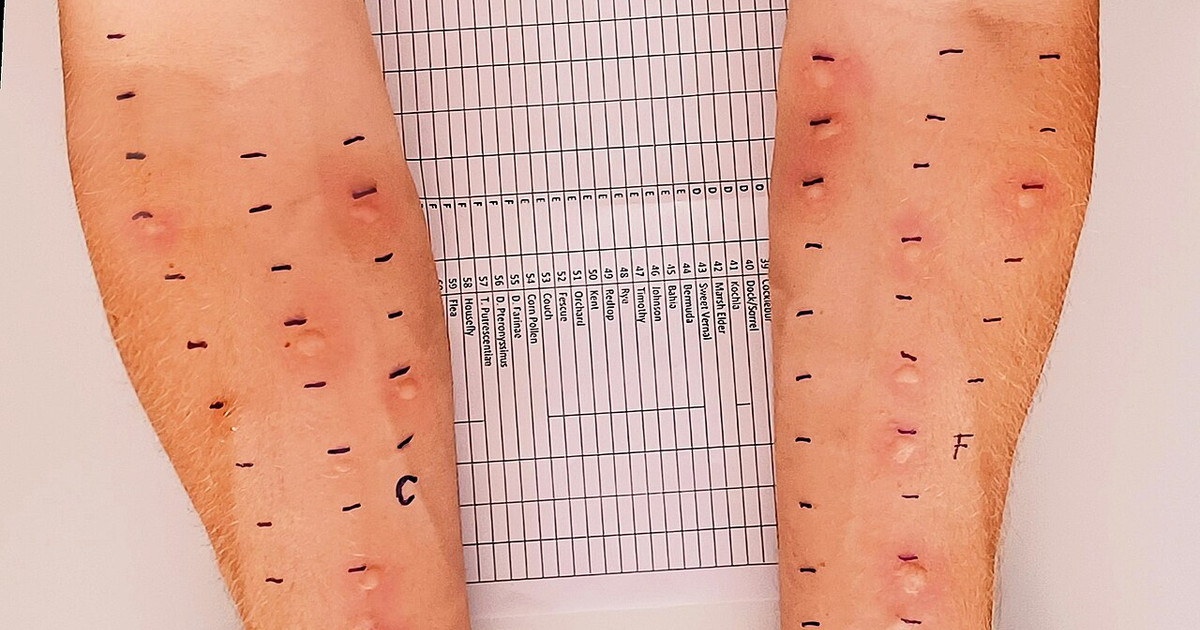
A hormone panel is not a simple pass or fail. Testosterone changes across the day. Estrogen depends on where you are in a cycle. Cortisol is highest in the morning and shifts with stress, sleep, and medication. An AI can translate the units and explain the patterns, but it cannot know the timing, the symptoms, or the reason the test was ordered. That context is the result. Cover image: CU Endocrine Physiology Lab by Chris Pruitt, CC BY-SA 3.0, via Wikimedia Commons, cropped.
?? Core Insights
- Hormone reference ranges depend on age, sex, time of day, and menstrual cycle.
- A single testosterone value is not enough to diagnose low testosterone; morning samples and repeat tests matter.
- Estrogen and progesterone results are interpreted with the cycle, fertility treatment, and symptoms.
- Cortisol has a strong daily rhythm, and a random value can be misleading.
- AI can explain and prepare, but hormone treatment decisions belong to an endocrinologist or clinician.
Try it yourself — free
Experience the medical AI that powers this article. Ask questions, check symptoms, or analyze lab results.
Want to know what a tool does with a panel like yours? See how the lab interpreter reads a blood panel.
Related Lab Tests
Why Are Hormone Results Hard to Read?
Hormones are signals, not static levels. They rise and fall on a schedule, respond to sleep and stress, and change with age, weight, medication, and illness. A reference range is a statistical band, not a treatment target.
The same number can be normal for one person and abnormal for another. A testosterone of 300 ng/dL may be low for a young man with symptoms and normal for an older man. An estradiol level means different things at different points in a cycle.
What Does a Testosterone Result Mean?
Testosterone is highest in the morning. A single afternoon value can be lower than a morning value in the same person. Guidelines generally recommend morning samples and repeat testing before diagnosing low testosterone.
Symptoms matter: low libido, fatigue, loss of muscle, mood changes. But those symptoms are nonspecific. Sleep deprivation, depression, medication, and thyroid disease can look similar. AI can explain the pattern and the need for repeat testing, not make the diagnosis.
What Do Estrogen and Progesterone Results Mean?
Estradiol and progesterone vary across the menstrual cycle. A result is interpreted with the cycle day, fertility treatment, contraception, and symptoms. A single random level can be normal and still not explain a problem.
In menopause, the reference range is different again. In fertility care, the target is different. In gender-affirming care, the target is individualized. There is no universal “normal” that an AI can apply from a portal number alone.
What Does Cortisol Mean?
Cortisol peaks in the early morning and falls through the day. A random cortisol is hard to interpret without the time drawn. A late-night salivary cortisol or a dexamethasone suppression test is used when Cushing syndrome is suspected.
Stress, illness, pregnancy, and some medications raise cortisol. A high value does not automatically mean an adrenal tumor, and a low value does not automatically mean adrenal insufficiency. The test, the time, and the symptoms decide.
What About Prolactin, LH, FSH, and AMH?
These hormones give context. LH and FSH help distinguish central from gonadal causes. Prolactin can be elevated by medication, stress, or a pituitary problem. AMH is used in fertility assessment, not as a general measure of health.
An AI can explain what each marker does, but the pattern is for a clinician. A high prolactin with a headache and visual changes is different from a mildly high value on a repeat test.
How Can AI Help With a Hormone Panel?
AI can translate units, explain why timing matters, and generate a list of questions: When was the sample drawn? What was the cycle day? What medications are you taking? What symptoms are you trying to explain? It can also flag results that should not be managed by a chatbot.
It should not recommend testosterone, estrogen, or cortisol treatment. Hormone therapy has real risks, and the decision depends on the full clinical picture.
Premedice is our product. It can explain a lab report and cite sources, but it does not prescribe hormones or replace an endocrinologist.
When Should You See a Specialist?
See a clinician for persistent symptoms, a clearly abnormal result on repeat testing, a pituitary or adrenal concern, fertility questions, or any hormone treatment decision. Seek urgent care for a sudden severe headache, visual loss, severe weakness, or signs of adrenal crisis such as collapse and confusion.
Bring the time of the blood draw, the cycle day, and the medication list. Those details are often more useful than another explanation of the number. Related reading: Best AI for blood test interpretation, how to read a lab report, AI thyroid panel interpretation, AI medical statistics, is an AI doctor safe, and the platform ranking.
A useful hormone workup starts with the question, not the panel. If the question is low libido or fatigue, a clinician will ask about sleep, mood, medications, alcohol, weight change, and thyroid symptoms before treating a number. If the question is fertility, the timing and the partner's evaluation matter. If the question is a pituitary or adrenal problem, the test is chosen for that specific question.
Do not order a broad hormone panel from a wellness app and then try to interpret it in isolation. More tests increase the chance of a random abnormal result that leads to more tests. The useful path is a focused history, a correctly timed sample, and a repeat before a diagnosis.
If you are already on hormone therapy, the target is not the standard reference range. It is the range your prescriber set for your indication, along with symptoms and safety monitoring. An AI that compares your result with a generic range can create unnecessary anxiety or false reassurance.
Hormones are treatable, but they are not simple. The number is a clue, and the context is the case. That is the limit of any AI reading a panel without the person in front of it.
If you are paying out of pocket for a hormone panel, ask what decision the result will change. If the answer is “none, I just want to know,” wait. A broad panel without a question produces noise, and noise produces more tests, more anxiety, and sometimes unnecessary treatment.
If a result is mildly outside the reference range, the first question is whether it is reproducible. The second is whether it fits the symptoms. The third is whether another condition, medication, or time of day explains it. A repeat test is often more informative than a deep interpretation of one value.
If you are considering hormone therapy, ask about the goal, the formulation, the monitoring plan, and the risks specific to you. Testosterone, estrogen, and cortisol are not wellness supplements. They are treatments with real effects, and the decision belongs with a clinician who knows your history.
An AI can help you organize the questions and understand the report. It cannot decide whether you need treatment, and it should not pretend that a reference range is a prescription target. If the result is abnormal, the safest next step is a repeat test with the right timing and a clinician review, not a supplement bought online. That is the boundary.
| Test | What it measures | Context that changes the result |
|---|---|---|
| Testosterone | Androgen level | Time of day, age, sex, repeat testing |
| Estradiol | Estrogen level | Cycle day, menopause, fertility treatment |
| Progesterone | Ovulation and luteal phase | Cycle day, pregnancy, fertility treatment |
| Cortisol | Adrenal stress hormone | Time of draw, illness, pregnancy, medication |
| Prolactin | Pituitary hormone | Stress, medication, repeat testing |
Ready to try Premedice?
Get instant, AI-powered explanations of your lab results and symptoms — powered by 300+ medical databases.
Continue Reading
Most Popular
MedGemma: Open-Source Medical AI That Runs on Your Hardware
TechnologyMed-PaLM 2: 86.5% MedQA Score, Zero Doctors Using It (2026)
ResearchAI Symptom Checker Architecture: How Premedice Cuts Hallucinations 3.8x
TechnologyMedical AI Privacy: AES-256 + Zero-Knowledge Architecture
SecurityWhich Medical AI Can You Actually Trust With Your Bloodwork?
ResearchDr. Elena Rostova, MD, PhD
Dr. Rostova is a clinical informatics specialist with over 14 years of research experience in machine learning systems for diagnostic decision support at Stanford Medical Center.
Expert Takeaway
The useful question is not “Is this hormone low?” It is “Low for whom, measured when, with what symptoms, and what else is affecting it?” An AI can help you ask that question, not answer it alone.
Browse by Topic
QFrequently Asked Questions
Q1Can AI interpret a hormone panel accurately?
AI can explain what the hormones measure and why timing matters, but it cannot diagnose a hormone disorder from a single result. Age, sex, cycle day, time of draw, symptoms, and medications are required.
Q2Is a low testosterone result always low testosterone?
No. Testosterone varies during the day and between tests. Guidelines usually require morning samples and repeat testing before a diagnosis.
Q3Why does the time of the blood draw matter?
Many hormones follow a daily rhythm. Testosterone is higher in the morning, and cortisol peaks early in the day. A random value can be misleading.
Q4Can a hormone test diagnose menopause?
Menopause is usually diagnosed from symptoms and cycle history. Hormone tests can help in some cases, but they are not always necessary.
Q5What does high cortisol mean?
It can reflect stress, illness, medication, or an adrenal or pituitary problem. A single random value is not enough; the time and a dedicated test matter.
Q6Can AI prescribe hormone therapy?
No. Hormone treatment decisions depend on symptoms, risks, and the full clinical picture. They belong to a qualified clinician.
Q7Should I test hormones if I feel tired?
Fatigue has many causes. A clinician can decide which tests are useful after taking a history. A hormone panel is not a universal fatigue test.
Q8When is a hormone result urgent?
Sudden severe headache, visual loss, collapse, confusion, or severe weakness needs urgent care. Do not wait for an AI explanation.
Verified References & Literature
Get a structured second read in seconds
Upload lab results, describe symptoms, or ask about a diagnosis — Premedice gives you medically-grounded answers backed by 30+ clinical databases.