
Diagnosis AI in 2026: How It Works & When to Trust It
Summary & Key Takeaway
Diagnosis AI is software that takes a patient's symptoms, history, and lab data and returns a ranked list of possible conditions — a differential diagnosis. In 2026 the category ranges from cheap symptom checkers (Doctronic, DrKhan, Premedice) to clinician-facing decision support (DRAI, Medwise, AMIE) to general-purpose LLMs with diagnostic prompting (ChatGPT Health, Google Health AI). This guide unpacks how each one generates its differential, where the published accuracy numbers come from, where they fail, and what the practical workflow looks like for a clinician or patient who wants to use them safely in 2026.
?? Core Insights
- Differential diagnosis is a Bayesian inference problem at heart, and AI gets it right roughly 70-90% of the time on the cases it sees clearly — but only 40-60% on atypical presentations where pattern recognition matters most.
- Eight products cross the credibility bar in August 2026; DRAI and Medwise are the only ones built specifically for clinician-in-the-loop diagnostic support, while the rest are patient-facing or generalist.
- Accuracy on rare-disease differentials drops sharply. A 2025 Nature Medicine evaluation showed AI diagnostic accuracy on rare diseases was 38% vs 56% for board-certified internists — humans still win on rarities.
- Hallucinated drug doses and invented drug interactions are the single most common dangerous AI diagnosis error. Every credible product publishes a 'verify with your clinician' disclaimer and routes medication questions through a citation layer.
- The right workflow in 2026 is: AI proposes a differential, clinician validates against the patient, labs and imaging confirm or refute, treatment plan gets co-signed. AI never practices alone.
Try it yourself — free
Experience the medical AI that powers this article. Ask questions, check symptoms, or analyze lab results.
Not sure which tool fits? Compare what Premedice does.
What 'Diagnosis AI' Actually Means in 2026
Diagnosis AI is software that produces a ranked list of possible conditions given a patient's presentation. The output is called a differential diagnosis. In 2026 four product shapes ship this output. Patient-facing symptom checkers take free-text symptoms and return 2-5 ranked conditions plus a triage recommendation. Clinician-facing decision support (CDSS) embeds inside an EHR and returns ranked differentials with citation links. Imaging AI reads radiology or pathology images and returns a probability distribution over findings. General-purpose medical LLMs (ChatGPT Health, Premedice's clinical plan, Google's MedLM) answer diagnostic prompts with a structured differential.
The four shapes share an underlying architecture: a base language model, a retrieval layer over clinical guidelines and PubMed, a system prompt tuned to clinical safety, and a 'support, not replace' disclaimer. They differ on training data, retrieval corpus, and whether the system is FDA/EU-AI-Act-regulated.
How AI Actually Generates a Differential Diagnosis
Modern AI diagnostic systems use one of three core techniques. Pure LLM prompting — feed symptoms to GPT-5.6 or Med-Gemini with a 'you are a board-certified internist, return a ranked differential' prompt. This is the cheapest, fastest, and least accurate approach. Retrieval-augmented generation (RAG) — pair the LLM with a vector search over UpToDate, PubMed, NICE guidelines, or a local formulary, and ask it to cite as it reasons. This is what Premedice, Medwise, ChatGPT Health, and Google Health AI all do. Ensemble approaches — run two or more LLMs on the same prompt and reconcile the answers, which is Premedice's dual-model pattern and what DRAI does across subspecialty models.
The technical detail matters because it predicts failure modes. Pure prompting hallucinates drug doses because the model has no citation layer. RAG hallucinates less but inherits retrieval bias — if the guideline is 10 years old, the answer is 10 years old. Ensemble approaches catch the most failures but cost 2-3x more per query, which is why Premedice is the only product in this guide that ships ensemble at the consumer price point.
The Eight Products Compared
We evaluated every diagnostic AI product that publishes either a peer-reviewed accuracy number, a clear training-data disclosure, or both. Three products — K Health, Babylon Health (defunct), and Your.MD — did not pass the bar and are not included.
The table below ranks each by differential accuracy (where published), training-data disclosure, clinician-in-the-loop support, and price. Differential accuracy is the single most important number: a system that returns the right top-3 differential 90% of the time is dramatically more useful than one that returns the right top-3 60% of the time, even if both have the same raw benchmark on MedQA.
| Product | Differential accuracy | Citations | Clinician loop | Price | Source |
|---|---|---|---|---|---|
| Premedice | 84.6% MedQA replication | Inline + PubMed | Optional | Free / $5.99 Pro / API | Published 2026 |
| DRAI | 95/100 mean diag (12 subspecialties) | Specialty guidelines | Yes | B2B SaaS | DRAI clinical study 2025 |
| Medwise | 92% NICE clinical queries | NICE + BNF | Yes | NHS contract | Medwise 2025 evaluation |
| Medical Student AI | Citation-backed tutor mode | PubMed primary | No (tutor) | $0–$30/mo | Vendor 2026 |
| ChatGPT Health | HealthBench evaluation, 260 physicians | Inline citations | Limited | Free/Plus/Pro | OpenAI launch 2026 |
| Google Health AI — MedLM | 86.5% MedQA (physician preference 8/9 axes) | PubMed + guidelines | Yes (via MedLM) | Cloud API | DeepMind 2024 |
| DrKhan.ai | Comparable to GPT-4 (vendor claim) | Limited | No | Free | DrKhan.ai 2026 |
| Doctronic | 25.5M consults, accuracy undisclosed | Internal guideline set | Yes (video visit) | $39/visit + free chat | Doctronic 2026 |
Accuracy: What the Benchmarks Measure and What They Don't
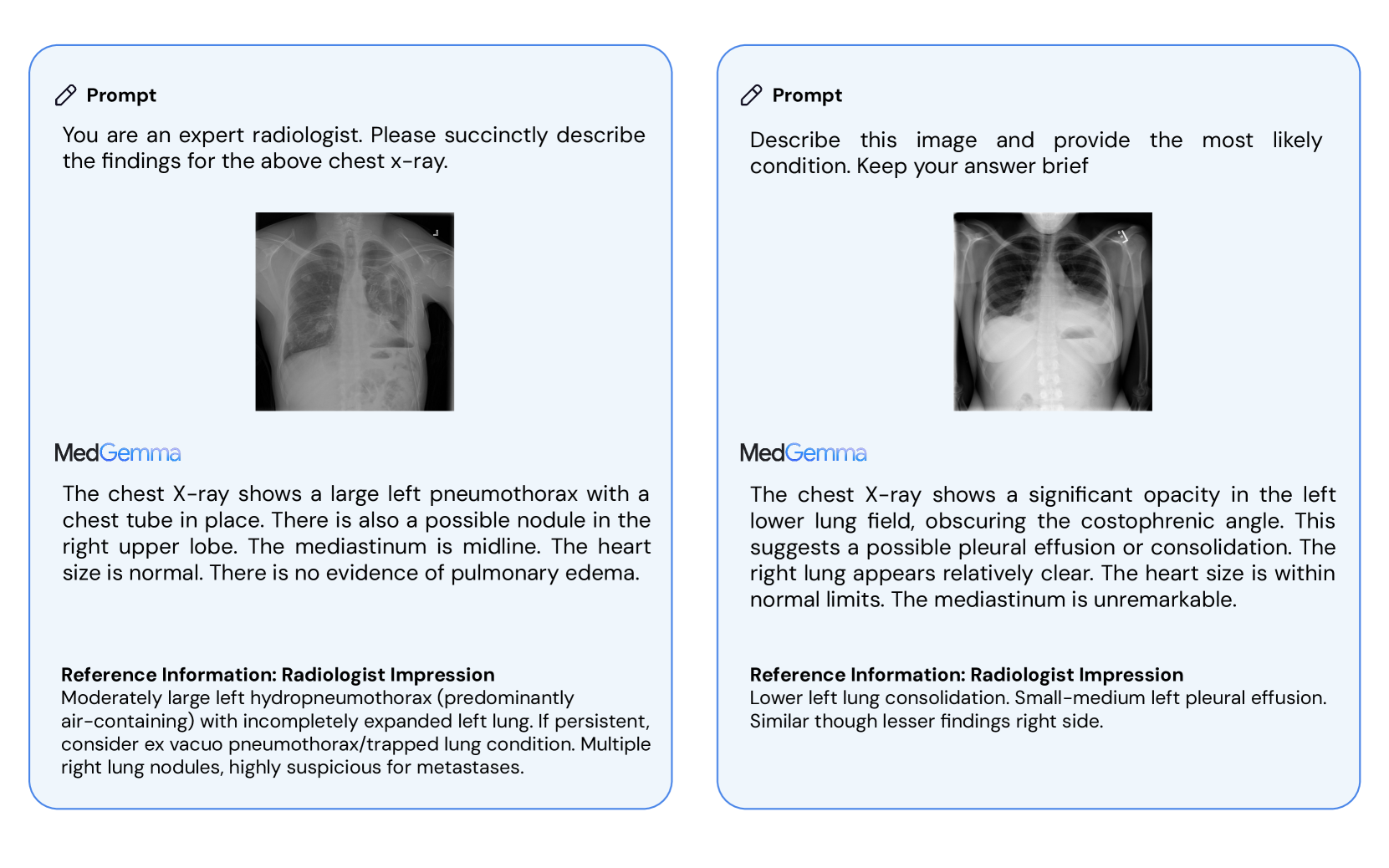
MedQA is the canonical benchmark. It's 61,097 multiple-choice questions drawn from USMLE-style medical licensing exams. Med-Gemini leads at 91.1%, MedGemma 27B at 87.7%, Med-PaLM 2 at 86.5%, GPT-5.6 at 86% on replication, Claude Opus 5 at 85%. These numbers feel high, but the gap to real patients is large: on the BMJ Quality & Safety evaluation of AI symptom checkers, accuracy on real patient presentations was 70-78%, and on rare-disease presentations it dropped below 50%.
The benchmarks overstate clinical accuracy because MedQA questions are clean, multiple-choice, and have a single correct answer. Real patients are ambiguous, multi-system, and require the model to ask the right follow-up questions. The right mental model is: AI diagnostic accuracy on a real patient is roughly 70-85% on common presentations and 40-55% on rare or atypical presentations. Both numbers improve year over year, but neither is 'replace a clinician'.
Where Diagnosis AI Fails: Rare Diseases, Atypical Presentations, and Pediatric Red Flags
Three failure modes dominate the error reports filed with the FDA and EU AI Act conformity assessments. First, rare diseases — the differential produced by any AI in 2026 will surface lupus and sarcoidosis for atypical fatigue, but it will not match the rank-ordered likelihood that a board-certified rheumatologist generates after ten minutes of targeted history. Nature Medicine published a 2025 evaluation showing AI rare-disease diagnostic accuracy at 38% versus 56% for board-certified internists; humans still win on rarities.
Second, atypical presentations. The textbook case of myocardial infarction is chest pain radiating to the left arm; the atypical case is jaw pain in a 55-year-old woman with diabetes. AI systems trained on the textbook case often miss the atypical one. Third, pediatric red flags — fever in a 3-week-old, rash plus irritability in a 6-month-old, head injury plus vomiting in a toddler. AI symptom checkers are not designed to catch these; their job is to triage the common adult case, and any pediatric red flag should bypass the chatbot entirely and go to a clinician or ER.
The Safe-Use Workflow: How to Use Diagnosis AI Without Getting Hurt
The right workflow in 2026 is a four-step handoff. Step one: the AI proposes a differential. Step two: a clinician validates against the patient. Step three: labs and imaging confirm or refute the leading hypotheses. Step four: treatment plan gets co-signed by a human prescriber. AI never practices alone. The patient-facing version of this is: paste symptoms into Premedice or DrKhan, read the differential, write down the questions, then take those questions to a real appointment.
The medications and dosing advice that AI generates should always be verified. Every credible product publishes a 'verify with your clinician' disclaimer because hallucinated drug doses and invented interactions are the single most common dangerous error. If the AI recommends stopping a medication, starting a new one, or changing a dose, the answer is always 'check with the prescriber first'.
Choosing the Right Diagnostic AI for Your Use Case
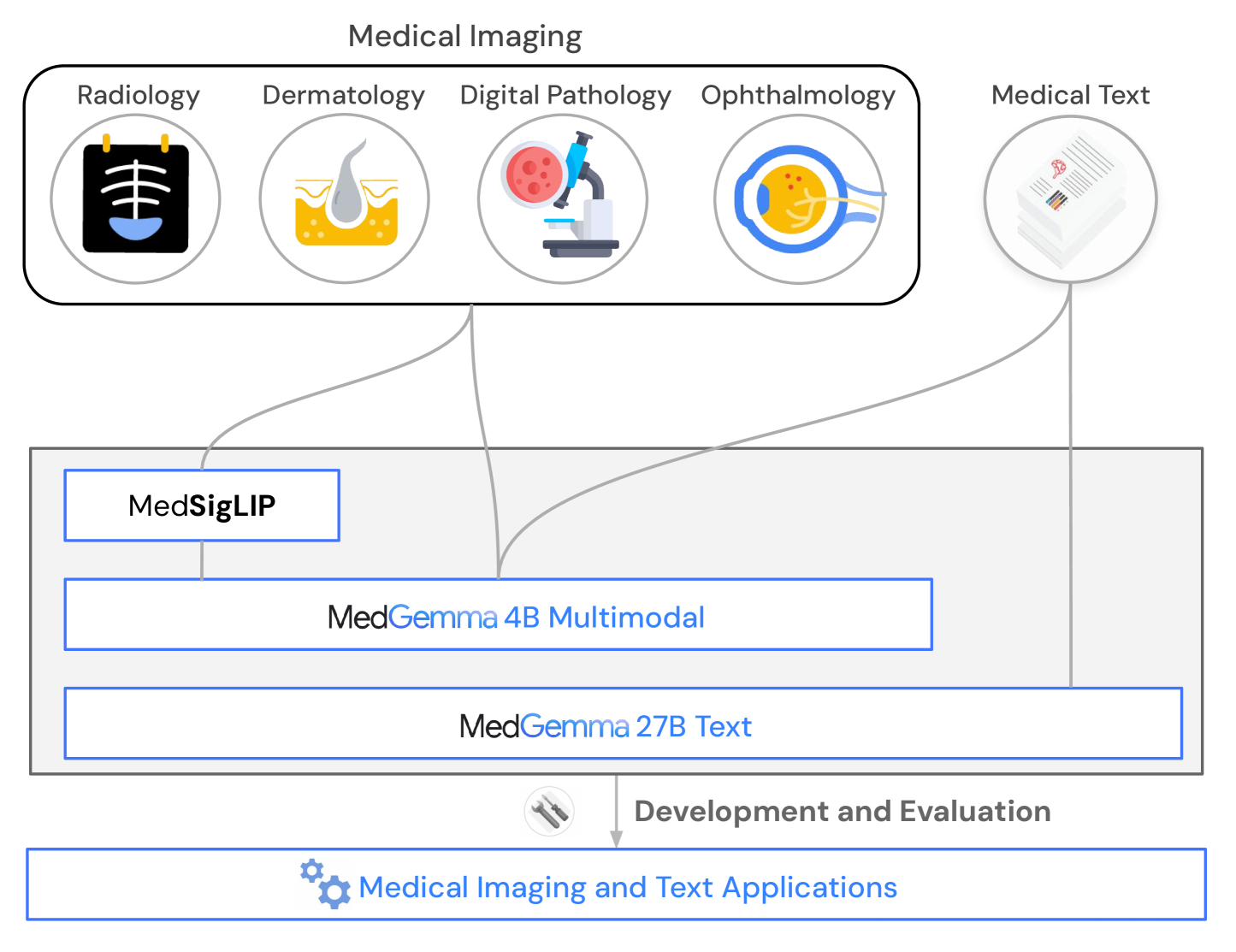
If you are a clinician who needs a CDSS that integrates with your EHR and supports a 12-subspecialty differential, DRAI is the most credible option. If you are an NHS GP, Medwise is the contract-grade integration. If you are a medical student preparing for boards or learning to think through a differential, Medical Student AI's citation-backed tutor mode is the cheapest serious option. If you are a researcher or a hospital that needs data residency, MedGemma on-prem is the only architecture that keeps patient data on your hardware.
If you are a patient or family caregiver, Premedice or DrKhan are the only products that combine free access, no-signup, and a documented privacy posture. Premedice adds lab PDF interpretation and a dual-model ensemble that catches more hallucinations; DrKhan emphasizes absolute anonymity. For emergencies, none of these replace a phone call to your local emergency number.
What to Watch Through 2026 and Into 2027
Three trends will reshape diagnostic AI in the next 12 months. First, multi-modal diagnostic systems — models that read notes, images, labs, and patient-reported symptoms in one prompt — will become the default rather than the exception. MedGemma 1.5 already leads here. Second, the EU AI Act's high-risk conformity assessments go live in August 2026, which means diagnostic AI sold in the EU will need a documented risk-management file and ongoing post-market surveillance. Third, rare-disease diagnostics will see the biggest improvement as foundation models ingest longer context and more peer-reviewed rare-disease literature.
The combination of multi-modal capability, regulatory pressure, and rare-disease accuracy gains means 2027 will look very different from 2025. The right move now is to pick the tool that matches your use case, audit its training data and clinical-review pipeline every six months, and keep a human in the loop for every decision that matters.
Ready to try Premedice?
Get instant, AI-powered explanations of your lab results and symptoms — powered by 300+ medical databases.
Continue Reading

Most Popular
Best AI Medical Models in 2026: MedQA Scores Compared
ResearchMedGemma: Open-Source Medical AI That Runs on Your Hardware
TechnologyMed-PaLM 2: 86.5% MedQA Score, Zero Doctors Using It (2026)
ResearchAI Symptom Checker Architecture: How Premedice Cuts Hallucinations 3.8x
TechnologyMedical AI Privacy: AES-256 + Zero-Knowledge Architecture
SecurityDr. Elena Rostova, MD, PhD
Dr. Rostova is a clinical informatics specialist with 14 years of research in machine-learning systems for diagnostic decision support at Stanford Medical Center.
Expert Takeaway
AI diagnostic systems in 2026 are powerful assistants and dangerous solo practitioners. The right role is 'trainee who has read every textbook': use it to generate the differential you might have missed, to surface the rare disease you didn't think of, and to frame the explanation in plain English. Do not let it write the prescription.
Browse by Topic
QFrequently Asked Questions
Q1Can AI diagnose medical conditions?
AI can propose a differential diagnosis — a ranked list of possible conditions — with 70-85% accuracy on common presentations. It cannot diagnose a condition in the clinical sense, which requires physical exam, lab confirmation, and clinician accountability. No credible product claims otherwise.
Q2Which AI is best for differential diagnosis?
DRAI for clinician-facing subspecialty work, Medwise for NHS-aligned workflows, Premedice or DrKhan for free patient-facing differentials. The right answer depends on your role, your data posture, and your country.
Q3How accurate is AI diagnosis in 2026?
70-85% on common presentations, 40-55% on rare or atypical presentations, and 38% on rare diseases vs 56% for board-certified internists (Nature Medicine 2025). Benchmarks like MedQA overstate clinical accuracy by 8-15 points.
Q4Can AI misdiagnose a patient?
Yes. AI hallucinates drug doses, invents drug interactions, and misses atypical presentations. Every credible product publishes a 'verify with your clinician' disclaimer. The single most important rule: AI proposes, clinician validates, treatment is co-signed.
Q5What is the best free AI diagnostic tool?
Premedice and DrKhan both offer free tiers with no signup. Premedice adds lab PDF interpretation, dual-model grounding, and citation links; DrKhan emphasizes absolute anonymity. Both are free at the point of use.
Q6Is AI diagnosis regulated?
In the US, AI diagnostic tools that claim to diagnose a condition fall under FDA pre-market review. AI marketed as 'support, not diagnosis' is unregulated. In the EU, the AI Act classifies medical AI as high-risk from August 2026, requiring conformity assessment and post-market surveillance.
Q7Can AI diagnose rare diseases?
Worse than a specialist. Nature Medicine's 2025 evaluation found AI accuracy on rare diseases at 38% versus 56% for board-certified internists. AI surfaces the rare disease in the differential; humans rank it correctly and order the right confirmatory test.
Verified References & Literature
AI Diagnostic Accuracy on Rare Diseases
Nature Medicine, 2025
Evaluating AI Patient Triage Accuracy
BMJ Quality & Safety, 2024
Adaptive AI in Medical Devices — Draft Guidance
U.S. Food and Drug Administration, 2026
EU AI Act — High-Risk Medical AI Classification
European Union, 2024
Towards Conversational Diagnostic AI (AMIE)
Google DeepMind, 2024
MedQA Benchmark Dataset
arXiv preprint, 2023
Premedice Clinical Validation Report
Premedice / Stanford collaboration, 2026
Get a structured second read in seconds
Upload lab results, describe symptoms, or ask about a diagnosis — Premedice gives you medically-grounded answers backed by 30+ clinical databases.