HbA1c Normal Range: What Your Diabetes Number Means
Summary & Key Takeaway
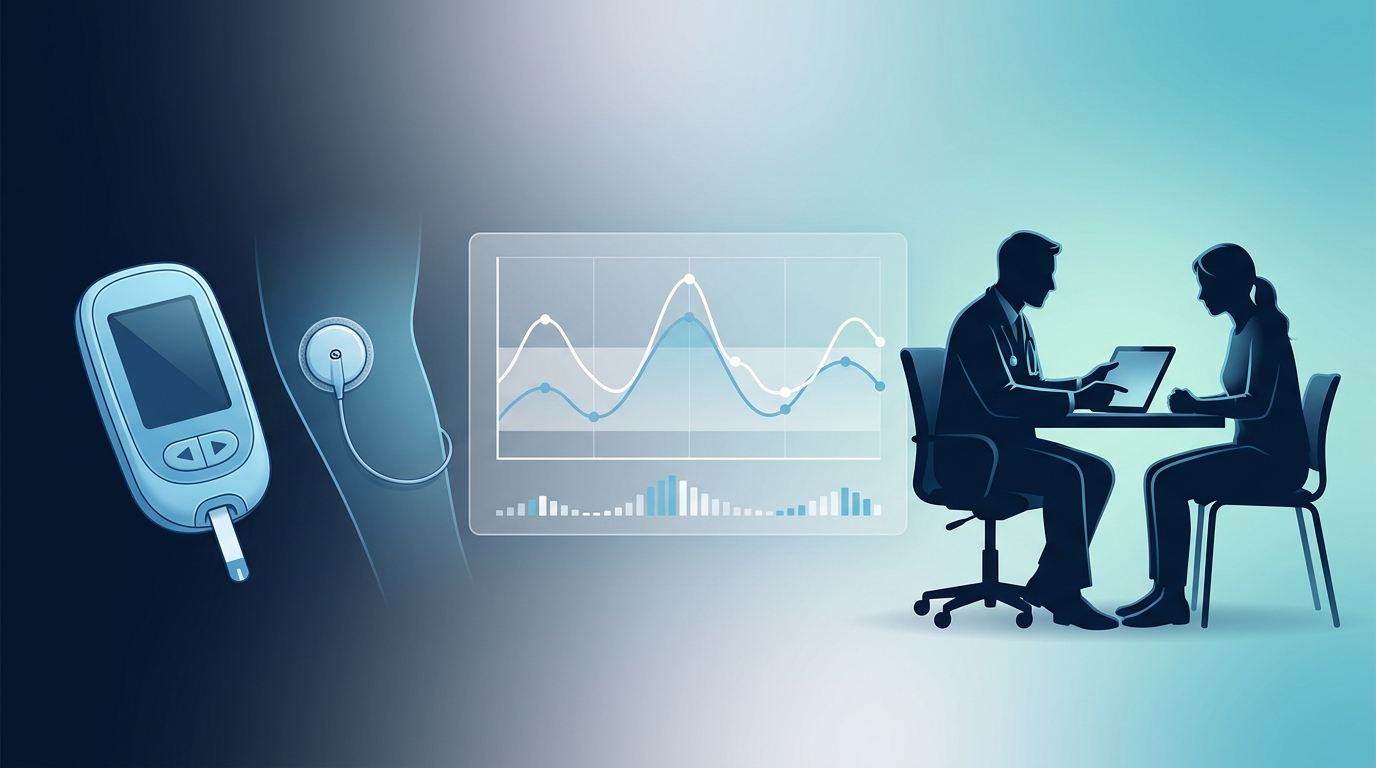
HbA1c — also called glycated hemoglobin or simply 'A1c' — is the single most important test for diabetes screening and management. Unlike a fasting glucose test that captures one moment in time, HbA1c reflects your average blood sugar over the past two to three months. A normal A1c means your blood sugar is well controlled. A high A1c means your blood has been swimming in excess sugar, and the damage may already be starting. This guide explains how the test works, what the numbers mean, and what to do about your result.
?? Core Insights
- HbA1c measures the percentage of hemoglobin coated in sugar — it reflects your average blood glucose over 2-3 months.
- Normal: below 5.7%. Prediabetes: 5.7-6.4%. Diabetes: 6.5% or higher on two separate tests.
- An HbA1c of 6.0% corresponds to an estimated average glucose of about 126 mg/dL — higher than the normal fasting range.
- HbA1c is affected by conditions that alter red cell lifespan — anemia, kidney disease, and pregnancy can skew results.
- The difference between 5.9% and 6.5% is the difference between 'watch your diet' and 'start medication' — small changes matter.
Try it yourself — free
Upload your lab report and get a plain-English explanation in seconds — no medical degree required.
Want to know what a tool does with a panel like yours? See how the lab interpreter reads a blood panel.
Related Lab Tests
How HbA1c Works: The Science in Plain English
Your red blood cells contain hemoglobin, a protein that carries oxygen. When glucose in your blood comes into contact with hemoglobin, it sticks to it — a process called glycation. The more glucose in your blood, the more hemoglobin gets coated. Since red blood cells live about 120 days, measuring the percentage of glycated hemoglobin gives you a rolling average of your blood sugar over the past two to three months.
This is fundamentally different from a fasting glucose test, which captures your blood sugar at one specific moment. You could have a normal fasting glucose on the day of your test but consistently high blood sugar the rest of the day. HbA1c captures the full picture, which is why it is the gold standard for diabetes diagnosis and monitoring.
HbA1c Ranges: What the Numbers Mean
The HbA1c result is expressed as a percentage. The higher the percentage, the more sugar has been coating your hemoglobin, and the higher your average blood sugar has been over the past few months.
| HbA1c Level | Category | Estimated Average Glucose (eAG) | Risk Level |
|---|---|---|---|
| Below 5.7% | Normal | Below 117 mg/dL | Low risk — healthy blood sugar control |
| 5.7-6.4% | Prediabetes | 117-137 mg/dL | Moderate risk — lifestyle changes recommended |
| 6.5-6.9% | Diabetes (mild) | 140-152 mg/dL | High risk — medication likely needed |
| 7.0-8.0% | Diabetes (moderate) | 154-183 mg/dL | Very high risk — medication essential |
| Above 8.0% | Diabetes (poorly controlled) | Above 183 mg/dL | Critical risk — urgent treatment needed |
HbA1c vs Fasting Glucose: Which Test Is Better?
Both tests measure blood sugar, but they measure different things. Fasting glucose captures your blood sugar after an overnight fast — it reflects how your body handles glucose at one specific point. HbA1c reflects your average blood sugar over two to three months — it captures the full picture.
A person can have a normal fasting glucose (below 100 mg/dL) but a high HbA1c (6.0% or above) if their blood sugar spikes after meals throughout the day. This is called 'postprandial hyperglycemia' and it is a major risk factor for diabetes complications. HbA1c catches this; fasting glucose often does not.
| Feature | HbA1c | Fasting Glucose |
|---|---|---|
| What it measures | Average blood sugar over 2-3 months | Blood sugar at one moment (fasting) |
| Requires fasting? | No | Yes (8-12 hours) |
| Time to results | Same day | Same day |
| Affected by recent meals? | No | Yes |
| Affected by anemia/kidney disease? | Yes | No |
| Used for diagnosis? | Yes (confirmed with second test) | Yes |
| Cost | Slightly higher | Slightly lower |
The Prediabetes Zone: 5.7-6.4% Is Not Benign
The prediabetes range (5.7-6.4%) is often treated as a 'maybe' — but the data says otherwise. People with an HbA1c of 6.0% or higher already have measurable insulin resistance and are at significantly elevated risk for heart disease, even if they never progress to full diabetes. If your HbA1c is elevated, ask your doctor to also check your lipid panel and kidney function — diabetes complications often affect these organs first.
The good news: prediabetes is reversible. The Diabetes Prevention Program (DPP) study showed that lifestyle interventions — 150 minutes of moderate exercise per week plus 7% weight loss — reduced the progression from prediabetes to diabetes by 58%. That is more effective than metformin (31% reduction). The prediabetes zone is your window to act.
Conditions That Skew HbA1c Results
HbA1c assumes your red blood cells live about 120 days. Anything that alters red cell lifespan can skew the result. Iron-deficiency anemia prolongs red cell survival, which can falsely elevate HbA1c. Hemolytic anemia (premature red cell destruction) can falsely lower it.
Chronic kidney disease, pregnancy, large-dose vitamin C or E supplements, and certain hemoglobin variants (common in people of African, Mediterranean, or Asian descent) can also affect accuracy. If your HbA1c does not match your symptoms or glucose monitoring, your doctor may order a fructosamine test or continuous glucose monitoring as an alternative.
What to Do About Your HbA1c Result
If your HbA1c is below 5.7%: maintain your current lifestyle. Regular exercise, a balanced diet, and maintaining a healthy weight keep blood sugar in check.
If your HbA1c is 5.7-6.4%: this is your intervention window. Focus on reducing refined carbohydrates and added sugars, increasing physical activity, losing weight if overweight, and getting retested in 3-6 months. Your doctor may also check your fasting glucose and lipid panel.
If your HbA1c is 6.5% or higher: you likely have diabetes. Your doctor will discuss treatment options, which may include metformin, other oral medications, or insulin. The goal is typically to get below 7.0% to reduce complication risk.
Ready to try Premedice?
Get instant, AI-powered explanations of your lab results and symptoms — powered by 300+ medical databases.
Continue Reading



Most Popular
Best AI Medical Models in 2026: MedQA Scores Compared
ResearchMedGemma: Open-Source Medical AI That Runs on Your Hardware
TechnologyMed-PaLM 2: 86.5% MedQA Score, Zero Doctors Using It (2026)
ResearchAI Symptom Checker Architecture: How Premedice Cuts Hallucinations 3.8x
TechnologyMedical AI Privacy: AES-256 + Zero-Knowledge Architecture
SecurityDr. Elena Rostova, MD, PhD
Dr. Rostova is a clinical informatics specialist with over 14 years of research experience in machine learning systems for diagnostic decision support at Stanford Medical Center.
Expert Takeaway
HbA1c is not just a number — it is a prediction tool. Each 1% increase in A1c above normal corresponds to a significantly elevated risk of heart disease, kidney damage, nerve damage, and eye disease.
Browse by Topic
QFrequently Asked Questions
Q1How often should I get my HbA1c checked?
If you are healthy with no risk factors, once every 1-3 years is sufficient. If you have prediabetes, your doctor will likely retest every 3-6 months. If you have diabetes, HbA1c is typically checked every 3 months until stable, then every 6 months.
Q2Can I lower my HbA1c without medication?
In many cases, yes — especially if you are in the prediabetes range (5.7-6.4%). The most effective approaches are reducing refined carbohydrates and added sugars, regular exercise (150+ minutes per week), losing 5-10% of body weight if overweight, and managing stress. These lifestyle changes reduced diabetes progression by 58% in the landmark DPP study.
Q3What does HbA1c of 6.0 mean?
An HbA1c of 6.0% is in the prediabetes range and corresponds to an estimated average glucose of about 126 mg/dL. It means your blood sugar has been elevated over the past 2-3 months. This is a warning sign — not diabetes yet, but close enough to warrant lifestyle changes and retesting in 3-6 months.
Q4Does HbA1c differ by age?
The diagnostic thresholds are the same regardless of age, but some guidelines suggest less aggressive targets for older adults. For people over 65, an HbA1c below 7.5-8.0% may be acceptable, as tighter control can increase hypoglycemia risk. Your doctor will set individualized targets based on your overall health.
Q5Is HbA1c accurate during pregnancy?
HbA1c may be less reliable during pregnancy because pregnancy increases red blood cell turnover, which can lower HbA1c even when blood sugar is high. Most obstetricians rely on fasting glucose and oral glucose tolerance tests for gestational diabetes screening rather than HbA1c.
Verified References & Literature
HbA1c Test — National Diabetes Information Clearinghouse
National Institute of Diabetes and Digestive and Kidney Diseases, 2025
View SourceGet a structured second read in seconds
Upload lab results, describe symptoms, or ask about a diagnosis — Premedice gives you medically-grounded answers backed by 30+ clinical databases.