Thyroid Antibody Test: What TPO & TgAb Results Mean (2026)
Summary & Key Takeaway
Thyroid antibodies are proteins produced by the immune system that mistakenly target the thyroid gland. The two most commonly tested are thyroid peroxidase antibodies (TPOAb) and thyroglobulin antibodies (TgAb). Elevated thyroid antibodies indicate autoimmune thyroid disease, most commonly Hashimoto's thyroiditis (which causes hypothyroidism) or Graves' disease (which causes hyperthyroidism). Approximately 10-20% of adults have elevated thyroid antibodies, with women affected 5-10 times more often than men. Understanding what your antibody results mean is the key to knowing whether you have subclinical disease, whether you need treatment, and how often you should be monitored.
?? Core Insights
- TPO antibodies (anti-thyroid peroxidase) are the most sensitive marker for autoimmune thyroid disease. Levels above 35 IU/mL are typically considered elevated and may indicate Hashimoto's or Graves' disease.
- Approximately 10-20% of adults have elevated thyroid antibodies, with women affected 5-10 times more often than men. Most people with elevated antibodies have normal thyroid function.
- Hashimoto's thyroiditis is the most common cause of hypothyroidism in iodine-sufficient regions. 80-90% of patients with Hashimoto's have elevated TPO antibodies.
- Graves' disease is the most common cause of hyperthyroidism. The diagnostic markers are TSH receptor antibodies (TRAb), which are present in 95% of Graves' patients.
- Elevated thyroid antibodies with normal thyroid function (subclinical autoimmune thyroiditis) does not always require treatment but warrants periodic monitoring because 2-5% of patients progress to clinical hypothyroidism each year.
Try it yourself — free
Experience the medical AI that powers this article. Ask questions, check symptoms, or analyze lab results.
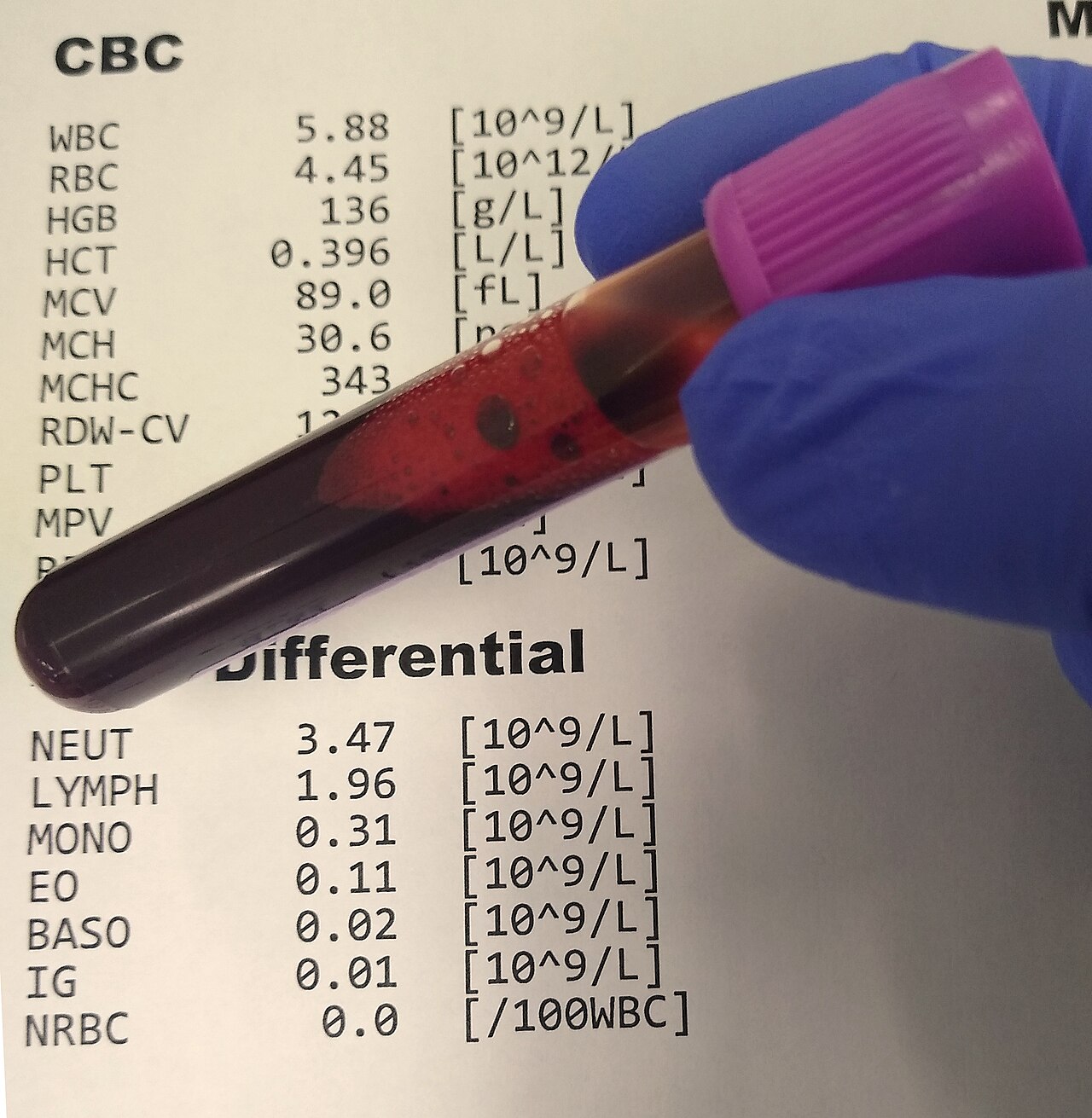
Want to know what a tool does with a panel like yours? See how the lab interpreter reads a blood panel.
Related Lab Tests
What Are Thyroid Antibodies and Why They Form
The immune system produces antibodies to defend against foreign invaders like bacteria and viruses. Autoimmune diseases occur when the immune system mistakenly produces antibodies that target the body's own tissues. Thyroid antibodies are autoantibodies that target proteins in the thyroid gland. The two most clinically important are thyroid peroxidase (TPO) antibodies and thyroglobulin (Tg) antibodies.
Thyroid peroxidase is an enzyme on the surface of thyroid cells that is essential for thyroid hormone production. TPO antibodies attack this enzyme, reducing the thyroid's ability to produce hormones. The inflammation caused by this attack gradually destroys thyroid cells, leading to hypothyroidism. TPO antibodies are present in 80-90% of patients with Hashimoto's thyroiditis and 60-70% of patients with Graves' disease.
Thyroglobulin is a protein produced by the thyroid that is used as the building block for thyroid hormones. Tg antibodies are less specific than TPO antibodies but are present in 60-80% of patients with Hashimoto's thyroiditis. They are also useful as a tumor marker in patients who have been treated for thyroid cancer. The combination of elevated TPO and Tg antibodies strongly suggests autoimmune thyroid disease.
Hashimoto's Thyroiditis: The Most Common Cause
Hashimoto's thyroiditis is the most common cause of hypothyroidism in iodine-sufficient regions, accounting for approximately 90% of cases. It affects approximately 5% of US adults, with women affected 7-10 times more often than men. The disease is characterized by gradual destruction of thyroid tissue by the immune system, leading to insufficient thyroid hormone production.
The progression of Hashimoto's follows a typical pattern. First, the immune system produces antibodies (TPO, Tg) against the thyroid, but thyroid function remains normal. This stage is called subclinical autoimmune thyroiditis or Hashimoto's thyroiditis by serology. Second, the thyroid gland becomes enlarged (goiter) as the immune system attacks the cells. Third, thyroid function declines (subclinical hypothyroidism, then overt hypothyroidism) as more cells are destroyed.
The symptoms of Hashimoto's are the symptoms of hypothyroidism: fatigue, weight gain, cold intolerance, constipation, dry skin, hair loss, depression, cognitive slowing, menstrual irregularities, and slow heart rate. The symptoms develop gradually, often over years, and are attributed to aging, stress, or other causes before the diagnosis is made. The presentation is highly variable, with some patients having severe symptoms and others having minimal symptoms despite abnormal labs.
Graves' Disease: The Most Common Cause of Hyperthyroidism
Graves' disease is the most common cause of hyperthyroidism, accounting for 60-80% of cases. The disease affects approximately 1-2% of the US population, with women affected 5-6 times more often than men. The hallmark of Graves' is the production of stimulating antibodies against the TSH receptor (TSH receptor antibodies, or TRAb). These antibodies bind to the TSH receptor on thyroid cells and stimulate the thyroid to produce excessive hormone.
The symptoms of Graves' disease are the opposite of hypothyroidism: weight loss despite increased appetite, heat intolerance, anxiety, tremor, rapid heart rate, palpitations, increased sweating, diarrhea, and insomnia. Some patients develop Graves' ophthalmopathy (bulging eyes) or Graves' dermopathy (skin thickening), which are caused by the autoimmune process affecting tissues beyond the thyroid.
The diagnosis of Graves' disease is confirmed by elevated free T4 and/or free T3, suppressed TSH (typically below 0.01 mIU/L), and either elevated TSH receptor antibodies (TRAb) or thyroid stimulating immunoglobulins (TSI). Thyroid uptake scan (radioactive iodine uptake) shows diffuse increased uptake. The combination of clinical presentation, lab findings, and imaging confirms the diagnosis.
Reading Your Thyroid Antibody Results
The reference range for TPO antibodies varies by laboratory, but most use a cutoff of 35 IU/mL for adults. Values below 35 are typically considered negative. Values of 35-100 are mildly elevated and may indicate early disease or familial tendency. Values above 100 are more strongly associated with autoimmune thyroid disease. Very high values (above 500-1000) are more common in Hashimoto's than Graves' but can occur in either.
Tg antibodies reference ranges are similar, with most laboratories using a cutoff around 20-40 IU/mL. Elevated Tg antibodies in the presence of elevated TPO antibodies strongly supports autoimmune thyroid disease. Isolated elevated Tg antibodies can occur in 5-10% of healthy individuals and are less specific than TPO antibodies.
The clinical interpretation of elevated antibodies depends on the context. In a patient with symptoms of hypothyroidism, elevated TPO and Tg antibodies confirm Hashimoto's as the cause. In a patient with normal thyroid function and no symptoms, elevated antibodies indicate subclinical autoimmune thyroiditis and require monitoring. In a patient with hyperthyroidism, TRAb is the more specific test for Graves' disease, but elevated TPO antibodies in the right clinical context support the diagnosis.
Subclinical Autoimmune Thyroiditis: When Antibodies Are High but TSH Is Normal
Subclinical autoimmune thyroiditis is defined as elevated thyroid antibodies with normal TSH and free T4. This is the most common presentation of autoimmune thyroid disease, particularly in early stages. The condition affects approximately 10-15% of adults, with the majority being women. Most patients with subclinical autoimmune thyroiditis do not require treatment but need periodic monitoring.
The rate of progression from subclinical to overt hypothyroidism is approximately 2-5% per year. Risk factors for progression include higher TPO antibody levels, higher baseline TSH (even within normal range), older age, female sex, and iodine exposure. Patients with higher TPO antibodies (above 100 IU/mL) progress faster than those with mild elevation. Patients with TSH above 2.5 mIU/L progress faster than those with TSH below 1.5.
The monitoring schedule for subclinical autoimmune thyroiditis typically includes TSH testing every 6-12 months. If TSH rises above 4.5 mIU/L, more frequent monitoring is appropriate. If TSH rises above 10 mIU/L or if free T4 falls below normal, treatment with levothyroxine is recommended. Treatment of subclinical hypothyroidism is debated, but most guidelines recommend treating when TSH is above 10 mIU/L or when symptoms are present.
Hashimoto's and Pregnancy
Pregnancy represents a unique situation for thyroid antibodies. Approximately 5-10% of women of reproductive age have elevated TPO antibodies, and the antibodies can affect both fertility and pregnancy outcomes. TPO antibody-positive women have higher rates of miscarriage, preterm delivery, and postpartum thyroiditis. The antibodies themselves may not cause the complications directly, but they indicate underlying autoimmune dysfunction that affects pregnancy.
The management of thyroid antibodies in pregnancy involves TSH monitoring every trimester. TPO antibody-positive women with normal TSH typically do not require treatment during pregnancy, but they should be monitored because they are at higher risk of developing hypothyroidism. TPO antibody-positive women with TSH above 2.5 mIU/L in the first trimester are often treated with levothyroxine to reduce the risk of miscarriage.
Postpartum thyroiditis affects 5-10% of women in the first year after delivery. The condition is characterized by transient hyperthyroidism followed by transient hypothyroidism, with most patients returning to normal thyroid function by 12 months postpartum. Women with elevated TPO antibodies are at higher risk of postpartum thyroiditis. The hyperthyroid phase typically does not require treatment, but the hypothyroid phase may require temporary levothyroxine. Approximately 20-30% of women with postpartum thyroiditis develop permanent hypothyroidism within 5-10 years.
Treating Hashimoto's and Graves' Disease
The treatment for Hashimoto's thyroiditis with overt hypothyroidism is levothyroxine (synthetic T4). The dose depends on the patient's weight, age, severity of hypothyroidism, and clinical response. The goal is to normalize TSH, typically below 2.5 mIU/L. The dose is adjusted every 6-8 weeks based on TSH testing until the target is reached. Most patients require lifelong levothyroxine therapy.
The treatment for Graves' disease includes antithyroid medications (methimazole, propylthiouracil), radioactive iodine ablation, or thyroidectomy. Antithyroid medications reduce thyroid hormone production and are typically used for 12-18 months. Radioactive iodine (RAI) ablation destroys the thyroid tissue and is a common definitive treatment. Thyroidectomy is reserved for patients who cannot tolerate antithyroid medications or RAI, or who have specific clinical indications.
Both Hashimoto's and Graves' disease can be associated with other autoimmune conditions, including type 1 diabetes, celiac disease, rheumatoid arthritis, lupus, and pernicious anemia. Patients with one autoimmune condition are more likely to develop another. The presence of thyroid antibodies should prompt consideration of screening for other autoimmune conditions, particularly when symptoms are present.
How to Use Your Thyroid Antibody Results
Thyroid antibody results can be confusing, particularly when the values are borderline or when the TSH is normal. The clinical context matters more than the absolute antibody value. A patient with elevated TPO antibodies and symptoms of hypothyroidism has a clear diagnosis. A patient with elevated TPO antibodies and no symptoms needs monitoring but not necessarily treatment.
An AI blood test review can help you understand what your thyroid antibody results mean before your doctor visit. The review identifies the pattern of your results (elevated TPO with normal TSH, elevated TPO with elevated TSH, etc.), explains the clinical significance, and helps you prepare specific questions for your doctor. The review is not a diagnosis, but it provides the framework for understanding your results.
The most useful information to bring to your doctor visit is your full thyroid panel (TSH, free T4, free T3, TPO antibodies, Tg antibodies), the dates of the tests, and any prior results. The trend of TSH and antibodies over time is more informative than a single value. If you have been having thyroid testing for years, the trajectory tells the story of whether your disease is progressing, stable, or improving.
Ready to try Premedice?
Get instant, AI-powered explanations of your lab results and symptoms — powered by 300+ medical databases.
Continue Reading

Most Popular
Best AI Medical Models in 2026: MedQA Scores Compared
ResearchMedGemma: Open-Source Medical AI That Runs on Your Hardware
TechnologyMed-PaLM 2: 86.5% MedQA Score, Zero Doctors Using It (2026)
ResearchAI Symptom Checker Architecture: How Premedice Cuts Hallucinations 3.8x
TechnologyMedical AI Privacy: AES-256 + Zero-Knowledge Architecture
SecurityDr. Elena Rostova, MD, PhD
Dr. Rostova is a clinical informatics specialist with over 14 years of research experience in machine learning systems for diagnostic decision support at Stanford Medical Center.
Expert Takeaway
Elevated thyroid antibodies indicate autoimmune thyroid disease, but they do not always require treatment. Patients with elevated antibodies and normal thyroid function need periodic monitoring (TSH every 6-12 months) because of the risk of progression to clinical hypothyroidism. Patients with elevated antibodies and abnormal thyroid function (high or low TSH) typically require treatment.
Browse by Topic
QFrequently Asked Questions
Q1What does a high TPO antibody mean?
A high TPO antibody (above 35 IU/mL) indicates autoimmune thyroid disease, most commonly Hashimoto's thyroiditis or Graves' disease. TPO antibodies attack the thyroid peroxidase enzyme, reducing thyroid hormone production. Approximately 80-90% of patients with Hashimoto's and 60-70% of patients with Graves' disease have elevated TPO antibodies.
Q2Can you have thyroid antibodies without symptoms?
Yes. Subclinical autoimmune thyroiditis (elevated antibodies with normal thyroid function) affects 10-15% of adults, mostly women. Most patients with this condition have no symptoms. The risk of progression to overt hypothyroidism is 2-5% per year, with higher baseline antibodies and higher TSH (even within normal range) increasing the risk.
Q3What is the difference between Hashimoto's and Graves' disease?
Hashimoto's and Graves' are both autoimmune thyroid diseases but with opposite effects. Hashimoto's causes hypothyroidism (underactive thyroid) due to immune destruction of thyroid cells. Graves' causes hyperthyroidism (overactive thyroid) due to stimulating antibodies against the TSH receptor. Hashimoto's is diagnosed by elevated TPO antibodies; Graves' is confirmed by TSH receptor antibodies (TRAb).
Q4Should I take levothyroxine if my TPO antibodies are high but TSH is normal?
Generally no. Subclinical autoimmune thyroiditis (elevated antibodies with normal TSH) typically does not require treatment. The standard approach is monitoring with TSH every 6-12 months. Levothyroxine is recommended when TSH rises above 10 mIU/L or when symptoms develop. Some patients with borderline TSH (4.5-10) and symptoms may benefit from treatment, but this is a clinical decision.
Q5Can thyroid antibodies go away?
TPO and Tg antibodies typically persist for years once elevated, but they can decrease over time, particularly with successful treatment of the underlying autoimmune process. Some patients with Hashimoto's have stable antibody levels for decades with progressive thyroid destruction. Antibody levels do not always correlate with disease activity, so monitoring focuses on TSH and free T4 rather than antibody levels.
Q6Are thyroid antibodies dangerous during pregnancy?
Elevated thyroid antibodies during pregnancy are associated with higher rates of miscarriage, preterm delivery, and postpartum thyroiditis. TPO antibody-positive women with TSH above 2.5 mIU/L in the first trimester are often treated with levothyroxine. All TPO antibody-positive women should have TSH monitored every trimester during pregnancy.
Verified References & Literature
Subclinical Autoimmune Thyroiditis: Natural History and Progression
Journal of Clinical Endocrinology & Metabolism, 2023
View SourceGet a structured second read in seconds
Upload lab results, describe symptoms, or ask about a diagnosis — Premedice gives you medically-grounded answers backed by 30+ clinical databases.