How to Read Blood Test Results Before Your Appointment
Summary & Key Takeaway
You can read your own blood test results. Most lab panels arrive with a reference range printed right on the page, and the most common markers � CBC, eGFR, TSH, fasting glucose, and lipid panel � follow straightforward logic. A number sitting within range is generally unremarkable; a number outside range signals something worth discussing with your doctor. The trick is knowing which numbers matter most, what the ranges actually mean, and when a flagged result is routine rather than alarming. This guide walks you through the five blood panels patients encounter most often so you walk into your next appointment informed, not anxious.
?? Core Insights
- Your CBC panel contains over 20 individual values, but the three that matter most in routine screening are white blood cell count, hemoglobin, and platelet count.
- eGFR estimates how well your kidneys filter waste; a value above 60 mL/min is normal for most adults, while a value below 15 signals kidney failure.
- TSH measures thyroid stimulation hormone; the standard reference range is 0.4 to 4.0 mIU/L, and values outside this band may indicate hypo- or hyperthyroidism.
- A flagged result does not automatically mean disease � lab flags indicate values outside the population reference range, not a personal diagnosis.
- Always bring your printed results to your appointment. Doctors work faster and more accurately when patients arrive prepared with specific questions about their numbers.
Try it yourself — free
Experience the medical AI that powers this article. Ask questions, check symptoms, or analyze lab results.
Want to know what a tool does with a panel like yours? See how the lab interpreter reads a blood panel.
Related Lab Tests
Why Learning to Read Your Own Lab Results Matters
Patient portal access has changed the timeline of healthcare. A growing share of adults in the United States � over 40 percent by recent ONC estimates � now receive lab results through online portals before their follow-up appointment. That means millions of people stare at numbers like 14.2 g/dL hemoglobin or 78 mL/min eGFR and have no framework for interpreting them. The gap between receiving a result and understanding it creates anxiety, drives unnecessary urgent-care visits, and produces doctor's office conversations that start with confusion rather than questions.
Reading your own results does not replace a physician's clinical judgment. What it does is compress the learning curve of your appointment. When you already know that your TSH of 6.2 mIU/L sits above the standard reference range of 0.4 to 4.0, your conversation with the doctor shifts from 'what does this number mean' to 'what do we do about it.' That shift matters. It shortens appointments, improves adherence, and gives your clinician a more informed partner in the room.
This article covers the five panels patients encounter most: complete blood count, comprehensive metabolic panel, fasting lipid panel, thyroid panel, and kidney function markers. For each, we break down the critical values, explain the reference ranges, and flag the context a number carries. If you want a second set of eyes on your results, an AI medical second opinion (https://premedice.com/news/ai-medical-second-opinion) tool can provide a plain-language summary before your appointment.
CBC Numbers Decoded: The Three Values That Drive Most Screening Conversations
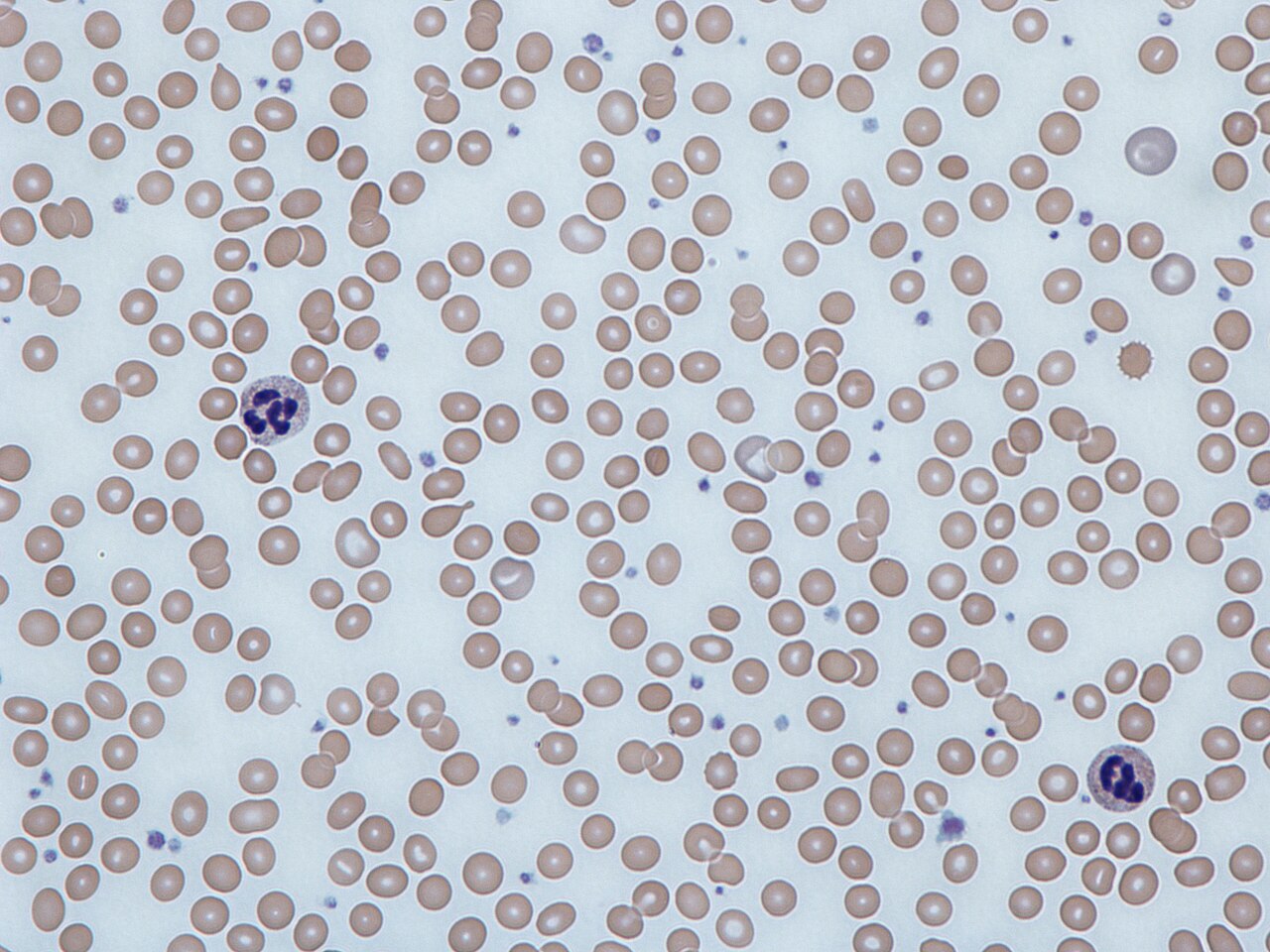
The complete blood count is the most commonly ordered test in outpatient medicine. A standard CBC report contains roughly 20 individual values, from red blood cell count and hematocrit to mean corpuscular volume and red cell distribution width. For routine screening, three values carry the most interpretive weight: white blood cell count, hemoglobin, and platelet count. Everything else provides supporting context that your doctor uses to narrow a differential. Our CBC numbers decoded guide (https://premedice.com/news/lab-results-12-numbers-that-matter/) walks through each marker in clinical depth.
White blood cell count reflects immune activity. The normal range runs roughly 4,500 to 11,000 cells per microliter. A count above 11,000 � called leukocytosis � can signal infection, inflammation, stress response, or in rare cases a hematologic condition. A count below 4,500 � leukopenia � may suggest a bone marrow issue, viral infection, or medication side effect. Neither finding in isolation is diagnostic. Context from symptoms and clinical history determines the next step.
Hemoglobin measures the oxygen-carrying protein in red blood cells. Normal ranges differ slightly by sex: 13.5 to 17.5 g/dL for men, 12.0 to 15.5 g/dL for women. Low hemoglobin � anemia � causes fatigue, pallor, and shortness of breath. High hemoglobin can indicate dehydration, smoking, or living at high altitude. Platelet count, normal range 150,000 to 400,000 per microliter, reflects clotting capacity. Low platelets raise bleeding risk; high platelets can indicate inflammation or iron deficiency. Our CBC numbers decoded guide walks through each of these markers in greater detail.
Understanding eGFR: What Your Kidney Filter Number Actually Tells You
Estimated glomerular filtration rate, or eGFR, is the single most important number on a kidney function panel. It measures how many milliliters of blood your kidneys filter per minute, normalized to your body size. The standard threshold for normal kidney function in adults is 60 mL/min or above. Values between 30 and 59 indicate reduced kidney function across three stages of chronic kidney disease. Below 15 signals kidney failure requiring dialysis or transplant evaluation.
eGFR is calculated from your serum creatinine level, adjusted for age, sex, and sometimes race. Because creatinine is influenced by muscle mass, bodybuilders and athletes sometimes see artificially low eGFR values. A single low eGFR reading does not mean you have kidney disease. Clinicians look for a trend over two or more readings across weeks or months before making a diagnosis. This is one of the most important reasons not to panic over a flagged result.
If your eGFR sits between 45 and 59, your doctor will likely order additional testing � a urine albumin-to-creatinine ratio, repeat metabolic panel, and blood pressure assessment � to determine whether chronic kidney disease is present and what stage it has reached. For most patients, catching reduced kidney function early, before symptoms appear, is the single biggest advantage of routine lab screening. Our article on reading lab panels safely (https://premedice.com/news/egfr-kidney-numbers-decoded/) covers the full metabolic panel context that surrounds eGFR values.
TSH and Thyroid Panel: Decoding the Number That Controls Your Metabolism
Thyroid-stimulating hormone, or TSH, is the primary screening marker for thyroid disorders. It is produced by the pituitary gland and tells your thyroid to produce T3 and T4 hormones. The standard reference range is 0.4 to 4.0 mIU/L, though some endocrinologists advocate for a tighter upper limit near 2.5. A TSH above 4.0 typically suggests hypothyroidism � an underactive thyroid. A TSH below 0.4 signals hyperthyroidism � an overactive thyroid.
TSH is remarkably sensitive. Even small shifts in thyroid hormone production cause large swings in TSH because of the pituitary's feedback loop. A TSH of 6.0 mIU/L in someone with no symptoms may be subclinical hypothyroidism that requires monitoring rather than immediate treatment. A TSH of 12.0 mIU/L with fatigue, weight gain, and cold intolerance almost always warrants medication. The number alone does not tell the story; symptoms and additional thyroid panel values � free T4 and free T3 � complete the picture.
Age, pregnancy, certain medications like lithium and amiodarone, and acute illness all affect TSH readings. If your result sits outside range, your doctor will typically repeat the draw in six to eight weeks before starting treatment. For patients managing thyroid conditions already, stable TSH values across multiple draws are the goal. If your lab report includes TSH alongside free T4 and free T3, our guide to understanding your lab report before your appointment (https://premedice.com/news/understand-your-lab-report-before-appointment) walks through the reference ranges step by step.
Fasting Glucose and Lipid Panel: Catching Metabolic Risk Before It Becomes Disease
Fasting glucose measures your blood sugar after at least eight hours without food. The normal range is 70 to 99 mg/dL. Values between 100 and 125 fall into the prediabetes range, and anything above 126 on two separate occasions meets the diagnostic threshold for diabetes. Because glucose fluctuates based on recent meals, stress, and sleep, a single elevated fasting glucose is usually confirmed with a repeat draw or a hemoglobin A1c test, which reflects your average blood sugar over the preceding two to three months.
The fasting lipid panel measures cholesterol and triglycerides. Total cholesterol below 200 mg/dL is desirable. LDL cholesterol � the so-called bad cholesterol � should sit below 100 mg/dL for most adults, though cardiovascular risk calculators may justify a lower target for patients with established heart disease. HDL cholesterol above 60 mg/dL is considered protective. Triglycerides below 150 mg/dL are normal; values above 200 signal elevated cardiovascular and pancreatitis risk.
Context is everything with lipids. A patient with an LDL of 130 but no family history, normal blood pressure, and no smoking history faces a very different risk profile than a patient with an LDL of 130, a parent who had a heart attack at age 50, and uncontrolled hypertension. Your lab values are one input into a larger risk calculation that your doctor performs. Our guide to five life-saving blood tests explains how lipid panels fit into preventive screening for adults over 40.
How to Use Your Results Before the Appointment, Not After
The most productive thing you can do with lab results is arrive at your appointment with specific questions. Instead of asking 'what does all this mean,' ask 'my eGFR dropped from 72 to 64 over eight months � is that a trend I should worry about' or 'my TSH is 5.1 � do we need a free T4 to decide on treatment.' Specificity turns a ten-minute appointment into a focused clinical conversation.
Print your results or have them open on your phone. Highlight any values flagged outside reference range. Write down questions the night before. If you have a family history of kidney disease, diabetes, or thyroid disorders, mention it alongside the relevant lab values. Doctors consistently report that prepared patients create better diagnostic outcomes, not because patients are self-diagnosing, but because they are giving their clinician richer context in less time.
For patients who want a preliminary interpretation before the appointment, AI blood test interpretation tools can translate lab values into plain-language summaries. These tools are not a substitute for clinical judgment, but they can help you organize your questions and reduce the cognitive load of a results page filled with unfamiliar abbreviations and numbers. Our free AI blood test interpretation guide (https://premedice.com/news/ai-blood-test-results-how-to-read/) explains how to use these tools responsibly alongside your clinician's expertise.
When a Flagged Result Is Not a Crisis: Reading Context Into Numbers
Lab reference ranges are derived from population statistics. The standard 'normal' range typically captures the central 95 percent of a healthy reference population. That means roughly 1 in 20 perfectly healthy people will have at least one value outside range on any given panel. A flagged result � marked with an H for high, an L for low, or an asterisk � does not mean something is wrong. It means your value fell outside the range that the lab defined as typical.
Several benign factors shift lab values outside range without indicating disease. Dehydration elevates hemoglobin and blood urea nitrogen. A high-protein meal raises creatinine. Strenuous exercise temporarily boosts white blood cell count. Menstruation affects iron studies. Age-related shifts change normal ranges themselves � what is normal for a 25-year-old may not apply to a 65-year-old. Your doctor interprets your results in the context of your age, sex, medications, recent activity, and clinical history, not as standalone numbers.
This is precisely why a single abnormal value almost never prompts immediate treatment. The clinical standard is confirmation: a repeat lab draw, additional targeted testing, or correlation with symptoms. Understanding this process prevents the common spiral of searching abnormal lab values online and arriving at worst-case conclusions before your doctor has a chance to put the number in context.
Common Pitfalls Patients Make When Self-Reading Lab Results
The most common mistake is treating the reference range as a personal boundary rather than a population average. A hemoglobin of 12.1 g/dL falls just inside the female normal range but may be clinically significant if your personal baseline sits at 14.0. Conversely, a value one point above range may mean nothing if it represents natural variation rather than disease. Your personal trend across multiple draws matters more than a single snapshot.
The second pitfall is relying on internet searches that default to worst-case interpretations. Searching 'low platelet count' produces pages about leukemia and aplastic anemia before presenting the far more common explanations: viral infections, medication effects, and lab variability. The third pitfall is ignoring preparation requirements. A fasting glucose drawn after breakfast is meaningless. A lipid panel drawn without a 12-hour fast produces unreliable triglyceride numbers. Always confirm whether your test requires fasting before the draw.
The final pitfall is self-treating based on results. Supplements, dietary changes, and over-the-counter medications chosen to correct a flagged value can interfere with future lab draws or mask developing conditions. Iron supplements taken before a follow-up draw, for instance, can normalize hemoglobin temporarily and obscure an underlying cause. The right move is always to bring your questions to your clinician, who can interpret the full clinical picture.
Ready to try Premedice?
Get instant, AI-powered explanations of your lab results and symptoms — powered by 300+ medical databases.
Continue Reading



Most Popular
Best AI Medical Models in 2026: MedQA Scores Compared
ResearchMedGemma: Open-Source Medical AI That Runs on Your Hardware
TechnologyMed-PaLM 2: 86.5% MedQA Score, Zero Doctors Using It (2026)
ResearchAI Symptom Checker Architecture: How Premedice Cuts Hallucinations 3.8x
TechnologyMedical AI Privacy: AES-256 + Zero-Knowledge Architecture
SecurityDr. Elena Rostova, MD, PhD
Clinician-researcher with 14 years in clinical informatics and ML evaluation for healthcare systems.
Expert Takeaway
Lab results are screening tools, not verdicts. A single abnormal value almost always needs confirmation with a repeat draw or additional testing before any clinical decision is made. Use your results to prepare smarter questions for your clinician, not to self-diagnose.
Browse by Topic
QFrequently Asked Questions
Q1Can I diagnose myself based on blood test results?
No. Lab results are screening tools, not diagnostic conclusions. A flagged value indicates your number sits outside a population reference range, but it does not confirm disease. Your doctor interprets results alongside symptoms, medical history, physical examination, and sometimes additional testing. Use your results to prepare informed questions, not to self-diagnose.
Q2What does it mean if my CBC is flagged but I feel fine?
Many flagged CBC values are caused by benign factors like recent exercise, mild dehydration, a resolving viral infection, or natural variation within the population range. About 1 in 20 healthy adults have at least one out-of-range value on any routine panel. Your doctor will confirm whether the finding is clinically meaningful or simply variation.
Q3How accurate is eGFR for measuring kidney function?
eGFR is an estimate, not a direct measurement. It uses serum creatinine, age, and sex to calculate filtration rate. Factors like high muscle mass, certain medications, and acute illness can affect accuracy. A single low eGFR is typically confirmed with repeat testing and additional markers like urine albumin before any kidney disease diagnosis is made.
Q4Should I fast before getting blood work?
It depends on the tests ordered. Fasting glucose and lipid panels require 8 to 12 hours without food for accurate results. CBC, TSH, and most metabolic panel markers do not require fasting. Confirm preparation requirements with your lab or ordering provider before your draw to avoid unreliable results that may need to be repeated.
Q5How often should healthy adults get blood work?
The U.S. Preventive Services Task Force recommends routine screening labs for adults based on age, sex, and risk factors. Healthy adults under 40 typically need labs every 2 to 3 years. Adults over 40 or those with chronic conditions like diabetes or hypertension may need annual or semi-annual panels. Your doctor tailors the schedule to your individual risk profile.
Verified References & Literature
Get a structured second read in seconds
Upload lab results, describe symptoms, or ask about a diagnosis — Premedice gives you medically-grounded answers backed by 30+ clinical databases.