When to Get a Second Opinion: 8 Situations That Matter
Summary & Key Takeaway
You should get a second medical opinion when the diagnosis is unclear, the recommended treatment is high-risk, the condition is rare, or you feel uncertain about your doctor's assessment. A 2021 Mayo Clinic study found that second opinions changed the diagnosis in 21% of cases and the treatment plan in 66% of patients evaluated. That single consultation can mean the difference between the right intervention and a costly, potentially harmful detour.
?? Core Insights
- A second opinion changed the diagnosis in 21% of cases and the treatment plan in 66% of patients in a large Mayo Clinic review.
- High-risk surgeries, cancer diagnoses, and rare diseases are the three clinical categories where second opinions have the highest impact.
- Insurance plans, including Medicare, often cover second opinions for medically necessary procedures, especially when surgery is recommended.
- AI symptom checkers and online second-opinion services have lowered the cost and wait time for independent clinical review from weeks to days.
- The best time to seek a second opinion is before treatment begins, not after complications have already developed.
Try it yourself — free
Experience the medical AI that powers this article. Ask questions, check symptoms, or analyze lab results.
Not sure which tool fits? Compare what Premedice does.
What a Second Opinion Actually Involves
A second opinion is an independent evaluation of your medical condition by a physician who has not been involved in your care. The reviewing clinician examines your imaging, lab results, pathology, and history to form an independent judgment. This is distinct from a referral, where your primary doctor sends you to a specialist within the same network or care pathway.
The value of a second opinion lies in independence. When two clinicians review the same data and reach the same conclusion, your confidence in the treatment plan increases. When they disagree, you gain a choice that did not previously exist. Both outcomes are valuable, but the second scenario is where second opinions save the most lives.
Situation 1: When Surgery Is Recommended and the Procedure Is High-Risk
Spinal fusion, cardiac valve replacement, tumor resection, and bariatric surgery all carry meaningful complication rates. Before consenting to a high-risk procedure, a second surgical opinion can confirm whether the surgery is truly necessary, whether a less invasive alternative exists, or whether the timing can be adjusted. The decision to operate should never rest on a single assessment.
Studies show that up to 30% of elective surgical procedures may be avoidable or replaceable with conservative management when independently reviewed. An orthopedic surgeon might recommend spinal fusion for chronic back pain, while a physiatrist or pain specialist might achieve comparable outcomes with interventional pain management. Neither provider is wrong. The difference is perspective, and perspective is exactly what a second opinion provides.
Situation 2: When You Receive a Cancer Diagnosis
Cancer diagnoses involve staging, grading, biomarker testing, and treatment sequencing that vary between institutions. A pathology second opinion reclassified the diagnosis in approximately 10-20% of cases in published case series. The reclassification sometimes changes the cancer stage, the recommended chemotherapy regimen, or whether surgery is indicated at all.
Second opinions in oncology are standard practice at major cancer centers. The National Comprehensive Cancer Network recommends independent pathology review for rare or complex cancers. If your oncologist recommends a specific chemotherapy protocol, getting a second opinion from an academic medical center with access to clinical trials can reveal treatment options that community oncologists may not have considered. A [second opinion biopsy](https://premedice.com/news/second-opinion-biopsy) can confirm or reclassify the original pathology finding, which is especially critical for cancers where staging determines the treatment regimen.
Situation 3: When the Diagnosis Is Rare or Complex
Rare diseases affect fewer than 200,000 Americans, but collectively they impact over 25 million people. The average time to diagnosis for a rare disease is 4.8 years, and patients see an average of 7.3 physicians before receiving a correct diagnosis. If your doctor proposes a diagnosis that does not explain all of your symptoms, or if you have been cycling through specialists without resolution, a second opinion from a tertiary care center is warranted.
Complex autoimmune conditions like lupus, Ehlers-Danlos syndrome, and mitochondrial diseases are frequently misdiagnosed. A rheumatologist at an academic center, a geneticist, or a neurologist specializing in rare conditions may recognize patterns that generalists are trained to screen for but not confirm. The cost of a delayed or incorrect rare-disease diagnosis is not just financial. It is measured in years of untreated symptoms.
Situation 4: When Two Doctors Disagree on Your Lab Results
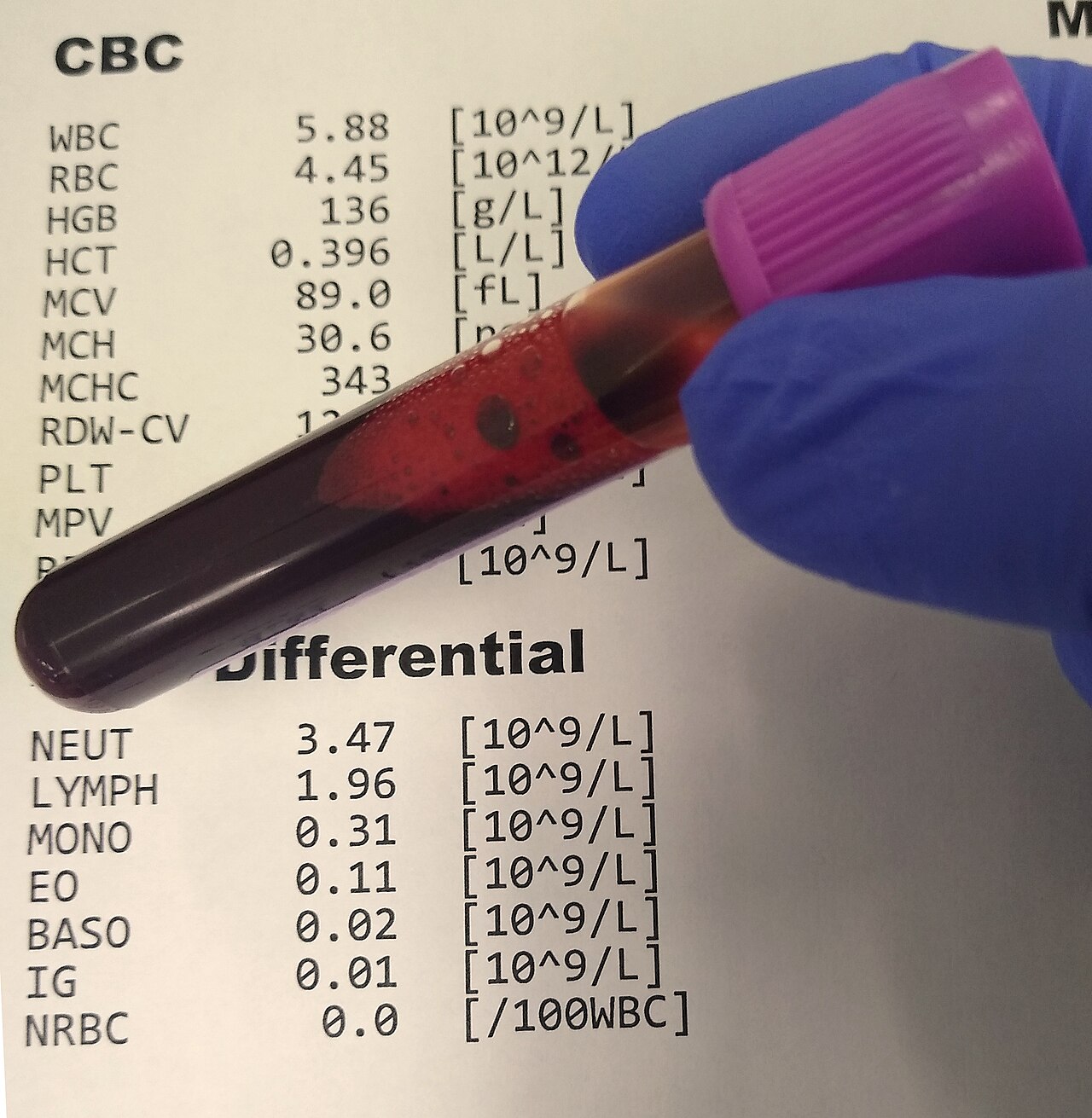
Lab results exist in a gray zone more often than patients realize. A hemoglobin A1c of 6.4% sits right at the prediabetes threshold. A D-dimer elevated just above reference range may or may not indicate a clot. A thyroid panel with borderline TSH and normal T3 can be read as subclinical hypothyroidism by one clinician and normal by another. When interpretation differs, a second opinion clarifies which reading is clinically actionable.
The interpretation of lab data depends on context, reference ranges, and clinical judgment. A [second opinion MRI report](https://premedice.com/news/second-opinion-mri-report) can reveal findings that the original reading missed or reclassify an incidentaloma that triggered unnecessary concern. This is precisely why tools like our [AI symptom checker](https://premedice.com/news/ai-symptom-checker-medical) exist to help patients prepare more informed questions for their second-opinion consultation. Understanding what your lab results mean before seeking a second opinion gives the reviewing clinician a clearer picture of your clinical trajectory.
Situation 5: When You Feel Rushed or Unheard
Patient-physician communication breakdown is one of the leading drivers of diagnostic error. If your appointment lasted less than 15 minutes, if your questions were deflected, or if you left the office feeling that your concerns were not addressed, a second opinion is not unreasonable. The diagnostic process depends on thorough history-taking, and a rushed evaluation increases the probability that critical information was missed.
This is not about blaming physicians. Primary care providers in the United States face average appointment lengths of 15-18 minutes, which is often insufficient for complex presentations. A second opinion from a specialist with more time to listen can surface details that the initial evaluation could not accommodate. If you are considering a second opinion in this context, reading about [how much a second opinion costs](https://premedice.com/news/how-much-does-a-second-opinion-cost) can help you plan the financial side before scheduling.
Situation 6: When a Chronic Condition Is Not Responding to Treatment
If you have been on a treatment plan for a chronic condition such as diabetes, heart failure, or rheumatoid arthritis for three to six months with no measurable improvement, a second opinion is justified. Chronic disease management depends on titration, and treatment resistance often means the initial approach needs adjustment rather than continuation at the same dose.
The second-opinion clinician may suggest a different medication class, a combination therapy, or lifestyle interventions that were not part of the original plan. For autoimmune conditions specifically, the difference between a first-line and third-line biologic can be the difference between disease remission and progressive joint or organ damage. A fresh clinical perspective at the six-month mark is one of the most underutilized tools in chronic care management.
Situation 7: When the Recommended Treatment Is Experimental or Off-Label
Off-label drug use is legal and sometimes medically appropriate, but it means the treatment was not FDA-approved for your specific condition. When your physician recommends an off-label therapy, especially one with limited clinical trial data, a second opinion helps you weigh the risk-benefit ratio with an independent frame of reference. The reviewing clinician may have experience with alternative therapies that have stronger evidence.
Clinical trials themselves represent a category worth scrutinizing. Enrolling in a Phase I or Phase II trial carries inherent uncertainty. A second opinion from an oncologist or researcher not affiliated with the trial site can provide an unbiased assessment of whether enrollment is the best option for your specific case, or whether a standard-of-care alternative offers a more predictable outcome.
Situation 8: When You Want to Understand All Your Options Before Committing
The best time to get a second opinion is when you are still deciding, not after you have already started treatment. Elective procedures, long-term medication plans, and surgical interventions all benefit from a period of deliberation. A second opinion taken before commitment gives you a complete picture. A second opinion taken after treatment has begun is often a reactive search for reassurance rather than an independent evaluation.
Patients who seek second opinions before treatment report higher satisfaction with their eventual decision, regardless of whether the second opinion confirmed or contradicted the first. The act of seeking independent validation reduces decisional regret. This is especially true for procedures that permanently alter anatomy or require lifelong medication management.
How to Request a Second Opinion Without Alienating Your Doctor
Most physicians expect and support second opinions for significant diagnoses. Frame the request as a desire for confidence rather than a lack of trust. Say something like, "I want to make sure I fully understand my options before we move forward. Would you be comfortable with me getting a second opinion?" Most doctors will cooperate and may even recommend a colleague they trust.
Practically, you will need copies of your medical records, imaging studies, lab results, and pathology slides. Request these from your provider's office or through the patient portal before the second-opinion appointment. Having complete records ensures the reviewing clinician is evaluating the same data as the original provider, which makes the comparison meaningful rather than speculative.
The Role of AI in Making Second Opinions More Accessible
AI-powered second-opinion platforms have reduced the cost and wait time for independent clinical review. Services that use large language models trained on medical literature can provide preliminary assessments of symptoms, lab panels, and imaging findings in minutes rather than the weeks required to schedule a traditional specialist consultation. These tools are not replacements for physician judgment, but they serve as valuable preparation for a second-opinion visit.
The key limitation of AI second opinions is that they operate on the data you provide, not on a physical examination. They are most useful for triaging symptoms, interpreting lab results, and identifying questions to ask your reviewing clinician. Our [AI medical second opinion](https://premedice.com/news/ai-medical-second-opinion) service is designed to complement, not replace, the traditional second-opinion process. Patients who arrive at a second-opinion appointment with well-informed questions tend to have more productive consultations.
Ready to try Premedice?
Get instant, AI-powered explanations of your lab results and symptoms — powered by 300+ medical databases.
Continue Reading




Most Popular
Best AI Medical Models in 2026: MedQA Scores Compared
ResearchMedGemma: Open-Source Medical AI That Runs on Your Hardware
TechnologyMed-PaLM 2: 86.5% MedQA Score, Zero Doctors Using It (2026)
ResearchAI Symptom Checker Architecture: How Premedice Cuts Hallucinations 3.8x
TechnologyMedical AI Privacy: AES-256 + Zero-Knowledge Architecture
SecurityDr. Elena Rostova, MD, PhD
Clinician-researcher with 14 years in clinical informatics and ML evaluation for healthcare systems.
Expert Takeaway
Second opinions are not a sign of distrust. They are a standard patient safety practice. In my clinical experience, the majority of second opinions confirm the original plan, and patients leave with greater confidence in their care. When they disagree, the divergence often leads to a meaningfully different treatment path.
Browse by Topic
QFrequently Asked Questions
Q1Is it rude to ask for a second medical opinion?
No. Most physicians expect patients to seek second opinions for significant diagnoses or high-risk treatments. Frame your request as a desire for confidence rather than distrust, and your doctor will typically cooperate. Many physicians even maintain lists of trusted colleagues they recommend for second opinions.
Q2Does insurance cover a second opinion?
Most insurance plans, including Medicare, cover second opinions for medically necessary procedures. Some plans require a second opinion before approving elective surgery. Check your specific policy, but in general, if the procedure is covered, the second opinion evaluating that procedure is also covered.
Q3When is the best time to get a second opinion?
The best time is before treatment begins, ideally within one to two weeks of receiving the diagnosis. Seeking a second opinion after starting treatment is possible but less useful because the reviewing clinician must account for interventions already underway. Early second opinions yield the most independent evaluations.
Q4Can I get a second opinion from an AI or online service?
AI-powered second-opinion platforms can provide preliminary assessments based on your symptoms, lab results, and medical history. They are most useful for preparing questions and understanding your options, but they do not replace a physician's physical examination. Use AI tools as a complement to, not a substitute for, an in-person second opinion.
Q5What should I bring to a second-opinion appointment?
Bring copies of all medical records, imaging studies, lab results, pathology reports, and a list of current medications. Having complete records ensures the reviewing clinician evaluates the same data as your original provider. You can request records through your patient portal or by calling the medical records department.
Verified References & Literature
Diagnostic changes after second opinion evaluation in a large cohort of patients
BMJ Quality & Safety, 2020
View SourceSecond opinions in surgery: How often do they change the management?
Annals of Surgery, 2019
View SourceThe value of second opinions in oncology: A systematic review
Journal of Clinical Oncology, 2022
View SourceGet a structured second read in seconds
Upload lab results, describe symptoms, or ask about a diagnosis — Premedice gives you medically-grounded answers backed by 30+ clinical databases.