Gut Health and IBS: What Your Digestive Symptoms Actually Mean
Summary & Key Takeaway
Gut health refers to the balance and function of trillions of microorganisms in your gastrointestinal tract — the gut microbiome — which influences digestion, immune function, mental health, and metabolic health. When gut health is disrupted, symptoms like bloating, gas, abdominal pain, diarrhea, and constipation can significantly impact quality of life. Irritable bowel syndrome (IBS) — affecting 10–15% of adults — is the most common gut-brain disorder, yet it remains widely misunderstood and underdiagnosed. Whether you're dealing with occasional digestive discomfort or chronic symptoms, understanding how your gut works and what modern medicine can do about it is the first step toward relief.
?? Core Insights
- The gut microbiome contains trillions of organisms that influence digestion, immune function, mental health, and metabolic health — disrupting it (through antibiotics, diet, or stress) can trigger digestive symptoms
- IBS is classified into four subtypes: IBS-C (constipation-predominant), IBS-D (diarrhea-predominant), IBS-M (mixed), and IBS-U (unsubtyped) — treatment depends on the subtype
- The gut-brain axis — bidirectional communication between your gut and brain — explains why stress and anxiety worsen digestive symptoms and why gut issues can trigger mood changes
- The low FODMAP diet, developed at Monash University, reduces symptoms in 50–80% of IBS patients and is the most evidence-based dietary intervention for IBS
- IBS is diagnosed based on symptom criteria (Rome IV), not tests — there is no definitive test for IBS, and testing is used to rule out other conditions like IBD, celiac disease, or cancer. [Premedice](/) can help you evaluate your digestive symptoms and determine whether IBS or another condition is responsible
Try it yourself — free
Experience the medical AI that powers this article. Ask questions, check symptoms, or analyze lab results.
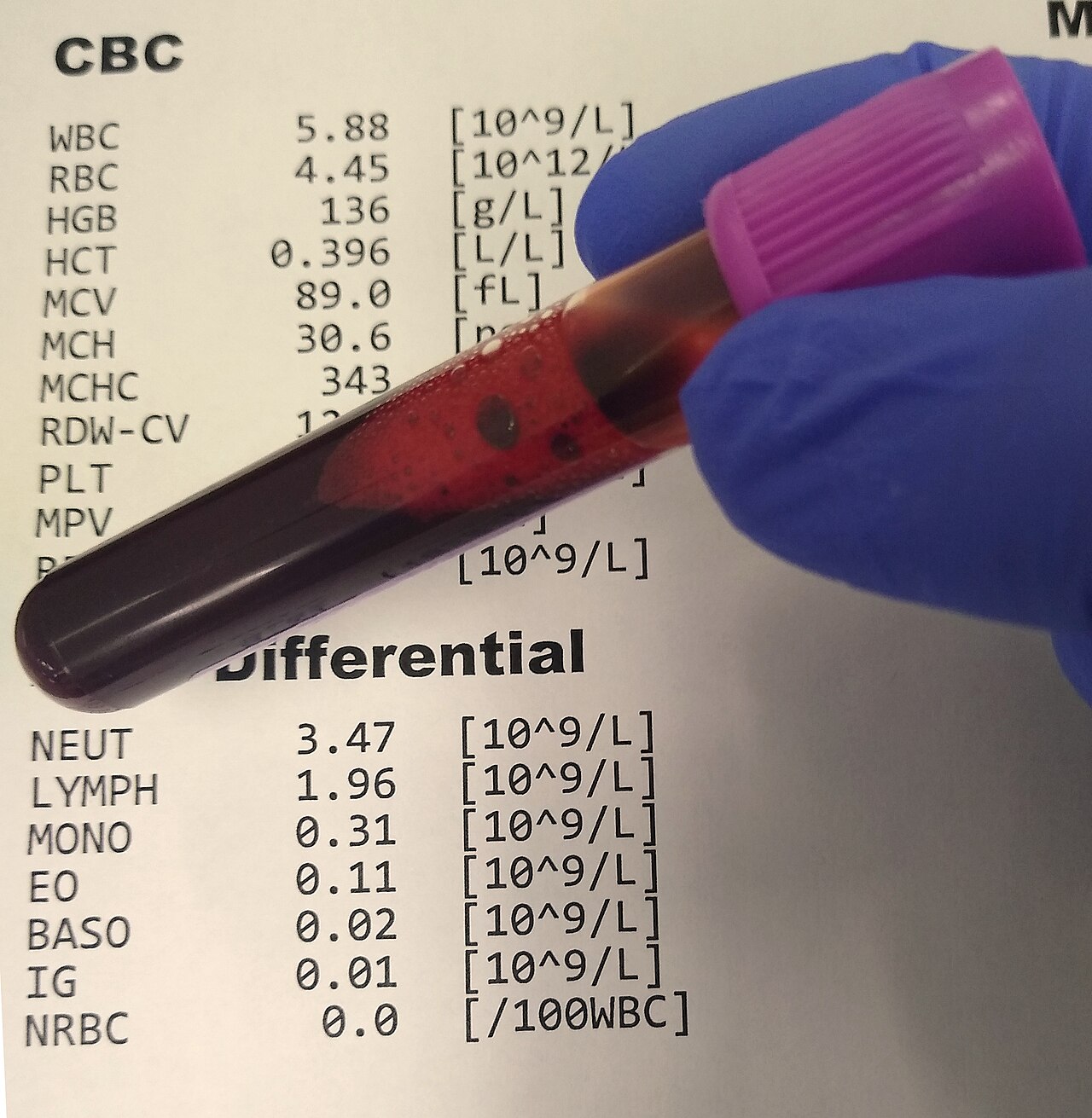
Want to know what a tool does with a panel like yours? See how the lab interpreter reads a blood panel.
Related Lab Tests
Your Gut Microbiome: More Than Just Digestion
Your gut microbiome — the community of trillions of bacteria, fungi, and other microorganisms living in your gastrointestinal tract — is a metabolically active organ that influences virtually every aspect of your health. The gut microbiome helps break down complex carbohydrates, produces essential vitamins (like vitamin K and B12), trains your immune system, produces neurotransmitters (90% of your serotonin is made in the gut), and protects against pathogenic bacteria. A diverse, balanced microbiome is associated with better health; an imbalanced one (dysbiosis) is linked to IBS, inflammatory bowel disease, obesity, diabetes, autoimmune conditions, and depression.
Modern lifestyle factors — processed food diets, excessive antibiotic use, chronic stress, and sedentary behavior — can deplete microbiome diversity. Foods that support gut health include fermented foods (yogurt, kefir, kimchi, sauerkraut, kombucha), prebiotic fibers (garlic, onions, leeks, asparagus, bananas, oats), and a diverse plant-based diet (aim for 30+ different plant foods per week). Probiotic supplements can help in specific situations (like after antibiotics or for antibiotic-associated diarrhea), but their benefits are strain-specific and condition-specific — not all probiotics are the same.
IBS: The Gut-Brain Disorder
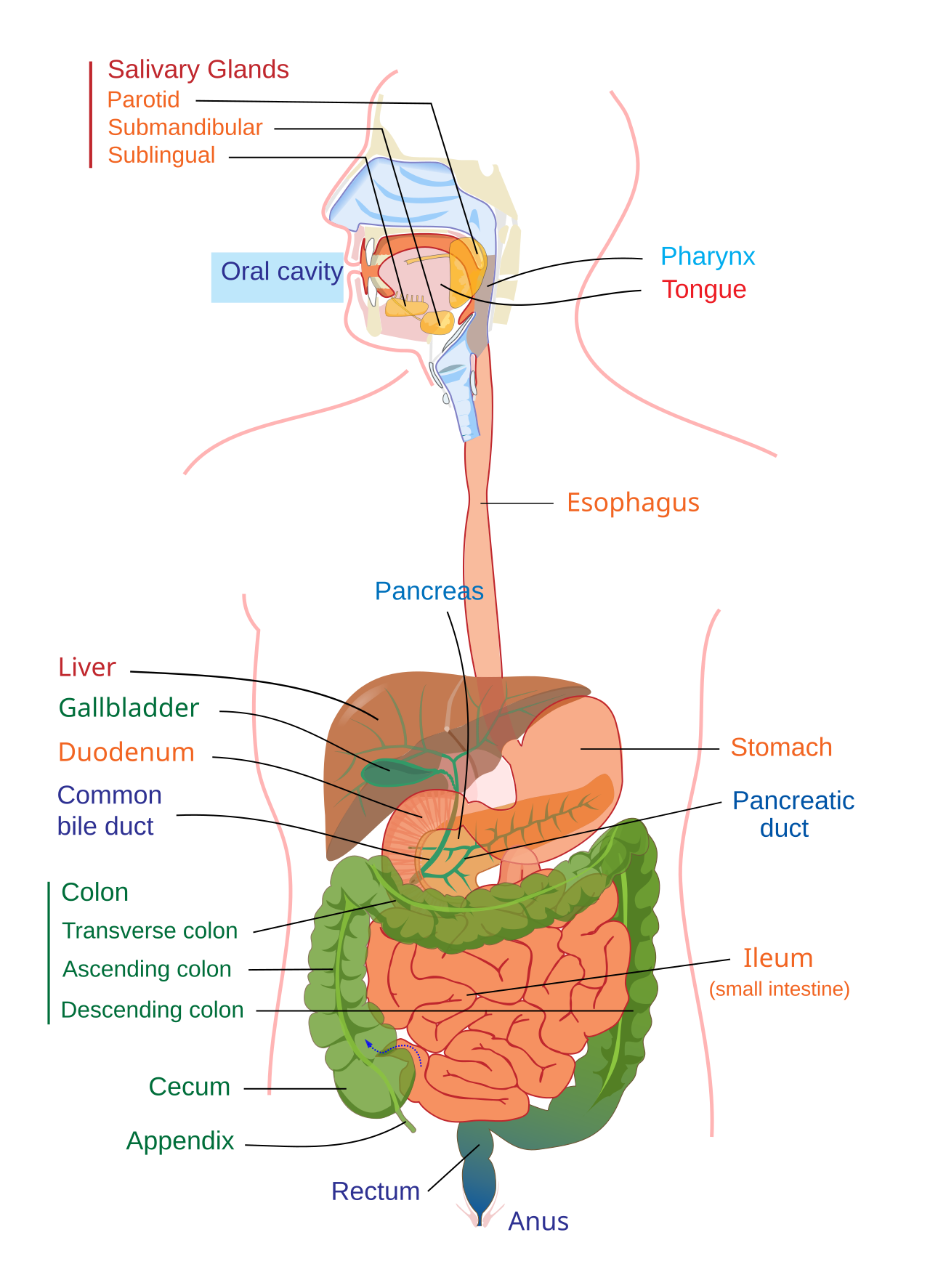
IBS is not a structural disease — your gut looks normal on colonoscopy. It's a disorder of gut-brain interaction: the communication between your gut (the enteric nervous system, or 'second brain') and your central nervous system is dysfunctional. This leads to abnormal gut motility (food moves too fast, too slow, or erratically), visceral hypersensitivity (normal digestive processes are perceived as painful), and altered gut secretion. The result is a constellation of symptoms — abdominal pain, bloating, gas, diarrhea, constipation — that follow predictable patterns but vary significantly between individuals.
IBS is classified by predominant bowel habit: IBS-C (constipation-predominant) involves hard, lumpy stools and infrequent bowel movements; IBS-D (diarrhea-predominant) involves loose, watery stools and urgency; IBS-M (mixed) alternates between constipation and diarrhea; and IBS-U (unsubtyped) doesn't fit neatly into any category. Diagnosis follows the Rome IV criteria: recurrent abdominal pain occurring at least 1 day per week in the last 3 months, associated with two or more of the following: related to defecation, change in stool frequency, or change in stool form. Testing (colonoscopy, blood work, stool studies) is done to rule out conditions like inflammatory bowel disease, celiac disease, and colorectal cancer.
The Low FODMAP Diet: The Most Evidence-Based Approach
The low FODMAP diet is the most effective dietary intervention for IBS, reducing symptoms in 50–80% of patients. FODMAPs (Fermentable Oligosaccharides, Disaccharides, Monosaccharides, And Polyols) are short-chain carbohydrates that are poorly absorbed in the small intestine and fermented by gut bacteria, producing gas, bloating, and pain in people with IBS. High-FODMAP foods include wheat, onions, garlic, legumes, apples, pears, honey, milk (lactose), and sugar alcohols (sorbitol, mannitol).
The diet has three phases: elimination (2–6 weeks of strict low-FODMAP eating to establish baseline), reintroduction (systematically testing each FODMAP group to identify your specific triggers), and personalization (long-term eating with your trigger foods limited but all other foods included). The goal is not permanent restriction — it's identifying your personal triggers so you can eat as broadly as possible while managing symptoms. Working with a FODMAP-trained dietitian significantly improves outcomes and reduces the risk of unnecessary or overly restrictive eating. For people who don't respond to FODMAP, other approaches include gut-directed hypnotherapy, peppermint oil (enteric-coated), and medications targeting specific symptoms.
Stress and the Gut: Breaking the Cycle
The gut-brain axis is a bidirectional highway: your brain affects your gut (stress causes stomach cramps, anxiety causes diarrhea), and your gut affects your brain (gut inflammation worsens mood, gut bacteria influence neurotransmitter production). This explains why IBS is so closely linked to anxiety and depression — about 60% of IBS patients also have an anxiety or depressive disorder. Importantly, this is not 'all in your head' — the gut symptoms are real and the brain involvement is biological, not psychological weakness.
Breaking the stress-gut cycle requires addressing both sides. Gut-directed therapies — particularly gut-directed hypnotherapy (which has the strongest evidence base, comparable to FODMAP) and cognitive behavioral therapy targeting digestive symptoms — can reduce IBS severity by 50–70%. Mindfulness meditation, yoga, and regular exercise also improve both gut symptoms and mental health. On the gut side, reducing inflammation (through diet and probiotics), normalizing motility (through medication if needed), and calming visceral hypersensitivity (through neuromodulators like low-dose tricyclic antidepressants, which are used at gut-directed doses, not antidepressant doses) are the primary strategies. [Premedice](/) can help you understand the gut-brain connection and evaluate whether your digestive symptoms might benefit from these combined approaches.
Ready to try Premedice?
Get instant, AI-powered explanations of your lab results and symptoms — powered by 300+ medical databases.
Continue Reading

Most Popular
Best AI Medical Models in 2026: MedQA Scores Compared
ResearchMedGemma: Open-Source Medical AI That Runs on Your Hardware
TechnologyMed-PaLM 2: 86.5% MedQA Score, Zero Doctors Using It (2026)
ResearchAI Symptom Checker Architecture: How Premedice Cuts Hallucinations 3.8x
TechnologyMedical AI Privacy: AES-256 + Zero-Knowledge Architecture
SecurityDr. Nina Patel, MD, FACG
Dr. Patel is a board-certified gastroenterologist with expertise in irritable bowel syndrome and gut-brain axis disorders.
Expert Takeaway
IBS is a common, treatable condition driven by gut-brain axis dysfunction. The low FODMAP diet, stress management, and gut-directed therapies provide significant relief for most patients. Persistent or progressive symptoms should be evaluated to rule out more serious conditions.
Browse by Topic
QFrequently Asked Questions
Q1How do I know if I have IBS or something more serious?
IBS is diagnosed by symptoms (Rome IV criteria), not tests. Red flags suggesting something more serious include rectal bleeding, unexplained weight loss, onset after age 50, family history of colorectal cancer or IBD, fever, anemia, and progressive worsening. These warrant diagnostic testing.
Q2Is the low FODMAP diet forever?
No. The low FODMAP diet is a diagnostic tool, not permanent. The elimination phase lasts 2–6 weeks, followed by systematic reintroduction to identify your triggers. Most people can reintroduce most FODMAP foods and only limit personal triggers long-term.
Q3Can probiotics help IBS?
Some probiotics help specific IBS subtypes, but results are strain-specific. Bifidobacterium infantis 35624 has the strongest evidence for global symptoms. Quality varies widely — look for products specifying the strain with clinical evidence backing.
Q4Does stress really cause IBS?
Stress doesn't cause IBS directly, but it triggers and worsens symptoms through the gut-brain axis. About 60% of IBS patients have co-occurring anxiety or depression, and stress management is a core component of IBS treatment. Gut-directed hypnotherapy and CBT are effective treatments specifically because they address the gut-brain dysfunction, not because IBS is 'psychological.'
Q5Can AI help manage IBS?
AI tools can track your food intake, correlate meals with symptoms, identify patterns and triggers, monitor FODMAP adherence, and provide personalized dietary recommendations. Premedice can help you log symptoms, analyze potential trigger foods, and determine whether your symptoms warrant further medical evaluation or specific IBS treatment strategies.
Verified References & Literature
Gut-Directed Hypnotherapy for IBS: Randomized Controlled Trial
The Lancet Gastroenterology & Hepatology, 2024
View SourceThe Gut Microbiome in Health and Disease
Nature Reviews Gastroenterology & Hepatology, 2025
View SourceGet a structured second read in seconds
Upload lab results, describe symptoms, or ask about a diagnosis — Premedice gives you medically-grounded answers backed by 30+ clinical databases.