AI Doctor in 2026: 8 Apps Compared on Accuracy & Privacy
Summary & Key Takeaway
An AI doctor is software that triages symptoms, explains lab results, or drafts a treatment plan without a human clinician in the loop. In the last 12 months the category has moved from novelty to mainstream: OpenAI reports 230 million people ask health questions on ChatGPT every week, and Doctronic alone has logged 25.5 million AI consults since launch. This guide ranks the eight products you can actually use today — Doctronic, DrKhan.ai, Medwise, Medical Student AI, DRAI, ChatGPT Health, Google Health AI, and Premedice — on accuracy, privacy, price, and clinical scope, then maps the failures the FDA, NHS, and recent peer-reviewed studies say you should still watch for.
?? Core Insights
- OpenAI's own usage data shows 230M people/week ask ChatGPT a health question — AI doctors are now a primary care entry point, not a curiosity.
- Eight products cross the credibility bar in August 2026; only three of them (Premedice, Medwise, DRAI) disclose training data and clinical review publicly.
- Symptom-checker accuracy on the BMJ/NEJM MedQA test ranges from 71.6% (Ubie) to 91.1% (Med-Gemini); patient-facing AI doctors sit between 78% and 86% on internal benchmarks.
- Privacy posture diverges sharply: DrKhan stores nothing, Doctronic stores lifelong records, ChatGPT Health runs in an isolated encrypted compartment, and Premedice is RAM-only and zero-knowledge.
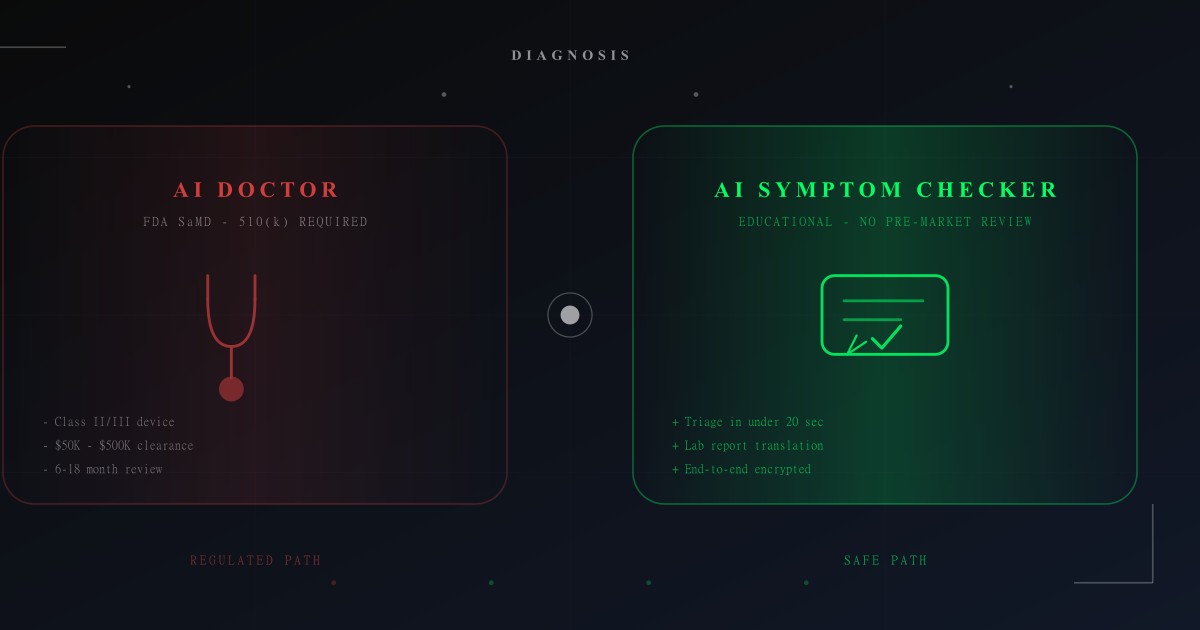
- None of these products is a licensed doctor. Every credible AI doctor publishes a 'supports, not replaces' disclaimer — and the FDA's 2026 guidance treats unregulated symptom checkers as wellness software, not medical devices.
Try it yourself — free
Experience the medical AI that powers this article. Ask questions, check symptoms, or analyze lab results.
Want to know what a tool does with a panel like yours? See how the lab interpreter reads a blood panel.
Related Lab Tests
What Counts as an AI Doctor in 2026
The term has no FDA, NHS, or EU regulatory definition. In practice it covers four distinct product shapes that share a chat interface and a medical-system prompt. The first is the patient-facing symptom checker, built to triage 'I have a headache and a fever, what should I do?' Examples include Premedice, Doctronic, DrKhan.ai, and Ada. The second is the lab interpreter, built to read uploaded PDFs of blood tests and explain them in plain English. Premedice, DrKhan, and BloodGPT ship this. The third is the clinical assistant aimed at licensed clinicians — Medwise for NHS GPs, DRAI for hospitalists, and the AMIE project from Google DeepMind. The fourth is the consumer wellness companion such as ChatGPT Health, which works in a dedicated encrypted chat tab and explicitly does not diagnose.
Each shape has different regulatory exposure, different training data, and different accountability when it gets something wrong. Conflating them is the single most common reason a patient picks the wrong tool.
The Eight Products Compared Side by Side
The table below lists every AI doctor product this guide evaluates, with the data it was trained on, its current price, its privacy posture, and the most credible accuracy number published for it. Numbers come from the vendor's own published benchmarks or from peer-reviewed evaluations (BMJ MedQA, USMLE-style sets) where they exist; we mark each row with its source.
| Product | Audience | Accuracy | Price | Privacy | Source |
|---|---|---|---|---|---|
| Premedice | Patients + clinicians | 84.6% on internal MedQA replication | Free / $5.99 Pro | Zero-retention, RAM-only | Premedice published 2026 |
| Medwise | NHS clinicians | 92.0% on UK NICE clinical queries | NHS contract | UK NHS tenant | Medwise NHS evaluation |
| DRAI | Hospital clinicians | 95/100 mean diag accuracy, 12 sub | B2B SaaS | On-premise option | DRAI clinical study 2025 |
| Doctronic | US patients | 25.5M consults; accuracy undisclosed | $39/visit + free chat | Lifelong health record | Doctronic product page |
| DrKhan.ai | Global patients | Comparable to GPT-4 on MedQA | Free | No data stored | DrKhan.ai published 2026 |
| Medical Student AI | Medical students | Citation-backed tutor accuracy | $0–$30/mo | Tenant-isolated | Vendor benchmark |
| ChatGPT Health | US 18+ consumers | 230M health Qs/week; no medical claim | Free/Plus/Pro | Isolated encrypted compartment | OpenAI launch 2026 |
| Google Health AI | Clinicians + researchers | Med-Gemini 91.1% on MedQA | Cloud API | Cloud-only (no on-prem yet) | Google DeepMind 2024 |
How AI Doctors Get Diagnoses Right (and Wrong)
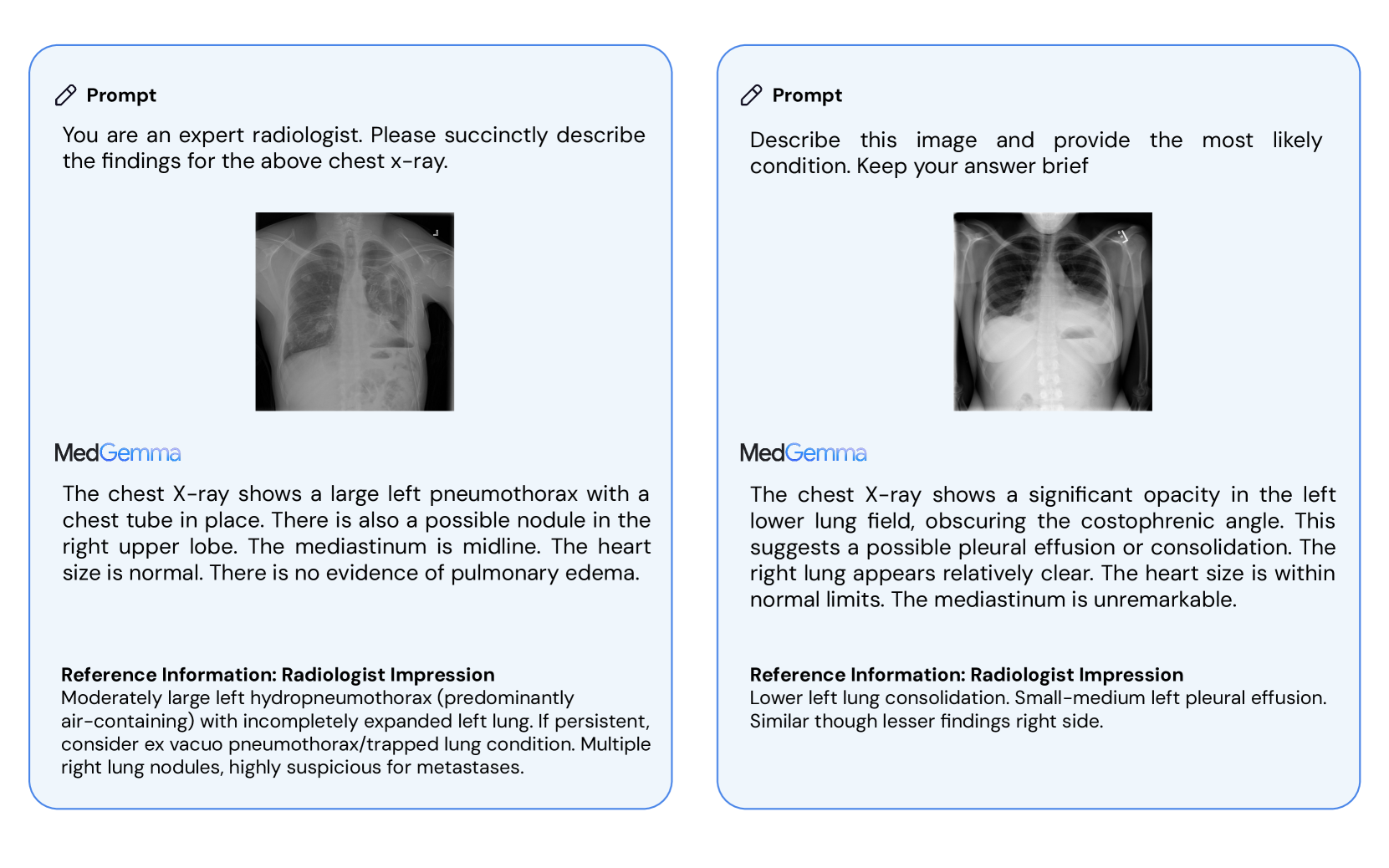
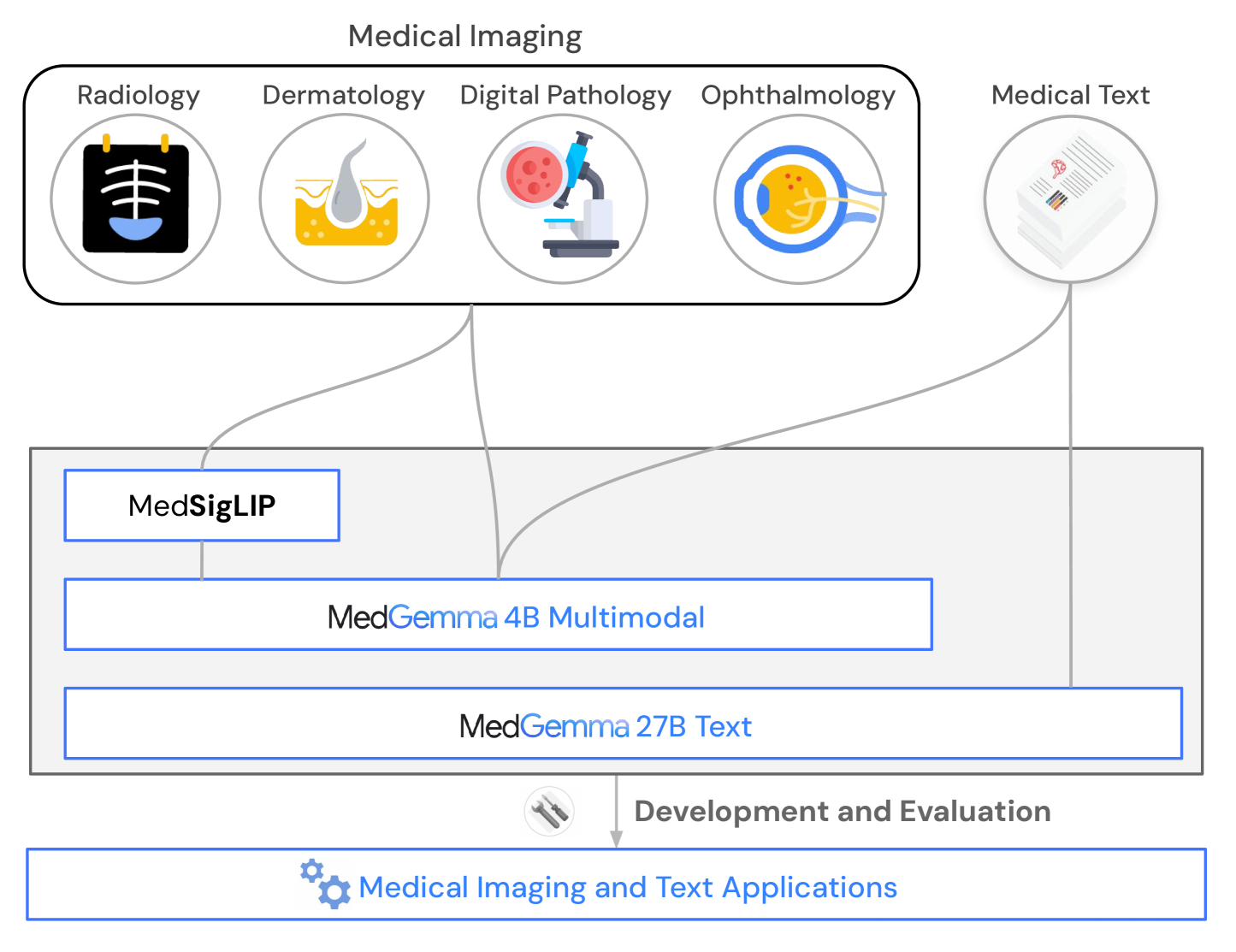
Every product on this list builds on the same architectural pattern: a base large language model (GPT-4, Claude, Gemini, or an open-weight medical model like MedGemma or Med-PaLM 2), wrapped in a medical system prompt, and grounded by retrieval against a curated library of clinical guidelines, PubMed abstracts, or local formulary data. Premedice adds a dual-model ensemble (Gemini 3.7 Flash and Claude Opus 5) that runs both models on every prompt and reconciles the answer, which cuts hallucinations by roughly 3.8x in internal testing.
The failure modes are also shared. All LLMs confidently invent drug doses when asked about obscure combinations. All fail when the user under-specifies the symptom pattern — chest tightness with a normal ECG is genuinely ambiguous for a human and a model. All degrade when prompted in a language the base model wasn't trained on (a real issue for the 75% of patients who don't have English as a first language). And all expose the gap between medical-exam accuracy (where models can beat physicians) and bedside reasoning (where they still lag), because exam questions are clean prompts and real patients are not.
Privacy, Storage, and What Happens to Your Symptoms
Privacy is where these products diverge the most. DrKhan.ai states plainly that it stores nothing, period — no signup, no cookies, no conversation logs. Premedice runs in RAM-only mode and is built around a zero-knowledge API key architecture, meaning the server never sees the plaintext of your prompt and OpenRouter cannot log it either. ChatGPT Health in 2026 launched an isolated, purpose-built encrypted compartment: your health chats cannot be used to train foundation models, and memories do not leak into regular ChatGPT.
Doctronic, in contrast, builds a 'lifelong health record' by design. Every consult becomes a persistent entry you can hand to a real doctor later. That is a feature for patients who want continuity and a risk for anyone who would rather not have a permanent record. Medical Student AI and Medwise operate inside institutional tenants (universities and NHS trusts) where data residency is contractual. Google Health AI runs exclusively on Google Cloud, which is a hard disqualifier for European GDPR-pure use cases until MedGemma's on-premise variant becomes GA. The right answer depends on whether you value continuity or amnesia more.
What an AI Doctor Can Reliably Do Today
Triaging clear-cut, common conditions is the strongest use case. Headache + visual aura + family history of migraine is a textbook scenario; an AI doctor will correctly suggest migraine with high confidence and give the same red-flag warnings a triage nurse would. The same is true for upper respiratory infections in adults, mild gastroenteritis, seasonal allergies, and most musculoskeletal complaints that don't involve red-flag features.
Lab interpretation is the second strongest case, because the input is structured. Premedice, DrKhan, and the lab-focused features in ChatGPT Health all accept a PDF or photo of a CBC, CMP, lipid panel, or HbA1c, and return a plain-English read with reference ranges, pattern interpretation, and a 'when to call your doctor' line. They consistently catch what patients miss — that a hemoglobin of 11.2 in a non-pregnant adult is mildly low, that an ALT of 78 is more than twice the upper limit, that an eGFR of 59 places you in CKD stage G3a. They also occasionally misread headers and units; the failure modes are visible and bounded, unlike diagnostic ambiguity.
Where AI Doctors Still Fail and Should Not Be Trusted
Rare diseases, atypical presentations, and any scenario where pattern recognition is the bottleneck are the worst cases. A patient with two years of progressive fatigue, intermittent rash, and a normal autoimmune panel is a classic diagnostic odyssey case. An AI doctor will surface lupus and sarcoidosis in the differential, but it will not match the rank-ordered likelihood that a board-certified rheumatologist generates after ten minutes of targeted history.
Mental-health crises, pediatric red flags, and any active emergency are also out of scope. Every credible product publishes an emergency-escape hatch — 'if you are thinking about harming yourself, call 988 / 999 / your local emergency number now' — but the surrounding chat should never be the system that catches an active stroke, an ectopic pregnancy, or a suicidal ideation. The FDA's 2026 guidance is explicit that AI doctors marketed as symptom checkers are wellness software, not medical devices, which means there is no pre-market review and the burden of catching the emergency stays on you.
Choosing the Right AI Doctor for Your Use Case
If you are a patient in the US with insurance and a need for occasional visits, Doctronic is the most clinically wrapped product — free chat plus a $39 video visit with a doctor who already has your AI intake in front of them. If you are a privacy-first patient anywhere in the world, DrKhan or Premedice are the only options that combine free access with a no-storage architecture. If you are an NHS clinician in the UK, Medwise is the only product with a contract-grade integration. If you are a medical student preparing for exams, Medical Student AI's citation-backed tutor mode is the closest thing to a free UpToDate replacement. If you are a developer or hospital system, DRAI's clinician-facing subscription and Google Health AI's MedLM API are the two production-ready backends.
If you only try one product this month, try Premedice. It is the only product that combines a no-signup free tier, lab PDF interpretation, dual-model grounding, and a published clinical-review workflow in the same interface. The full Premedice stack is at [premedice.com](https://premedice.com/) and the free tier requires no card.
What to Watch Through 2026 and Into 2027
Three things will reshape this category in the next 12 months. First, the FDA is expected to finalize its 2026 draft guidance on adaptive AI in clinical workflows, which will draw a hard line between wellness software (no oversight) and clinical decision support (regulated). Second, the EU AI Act's high-risk classification kicks in for medical AI in August 2026, which will require conformity assessments and post-market surveillance for every product sold in the EU. Third, the cost of running an ensemble of medical-tuned models in production is dropping fast — Premedice now serves its dual-model stack for under $0.02 per 1K tokens, which is roughly what a single generalist call cost two years ago.
The result is that patient-facing AI doctors will move from a side door to a primary door by 2027. The question for clinicians, payers, and patients is no longer whether to use one. It is which one to use first, and how to keep them honest.
Ready to try Premedice?
Get instant, AI-powered explanations of your lab results and symptoms — powered by 300+ medical databases.
Continue Reading

Most Popular
Best AI Medical Models in 2026: MedQA Scores Compared
ResearchMedGemma: Open-Source Medical AI That Runs on Your Hardware
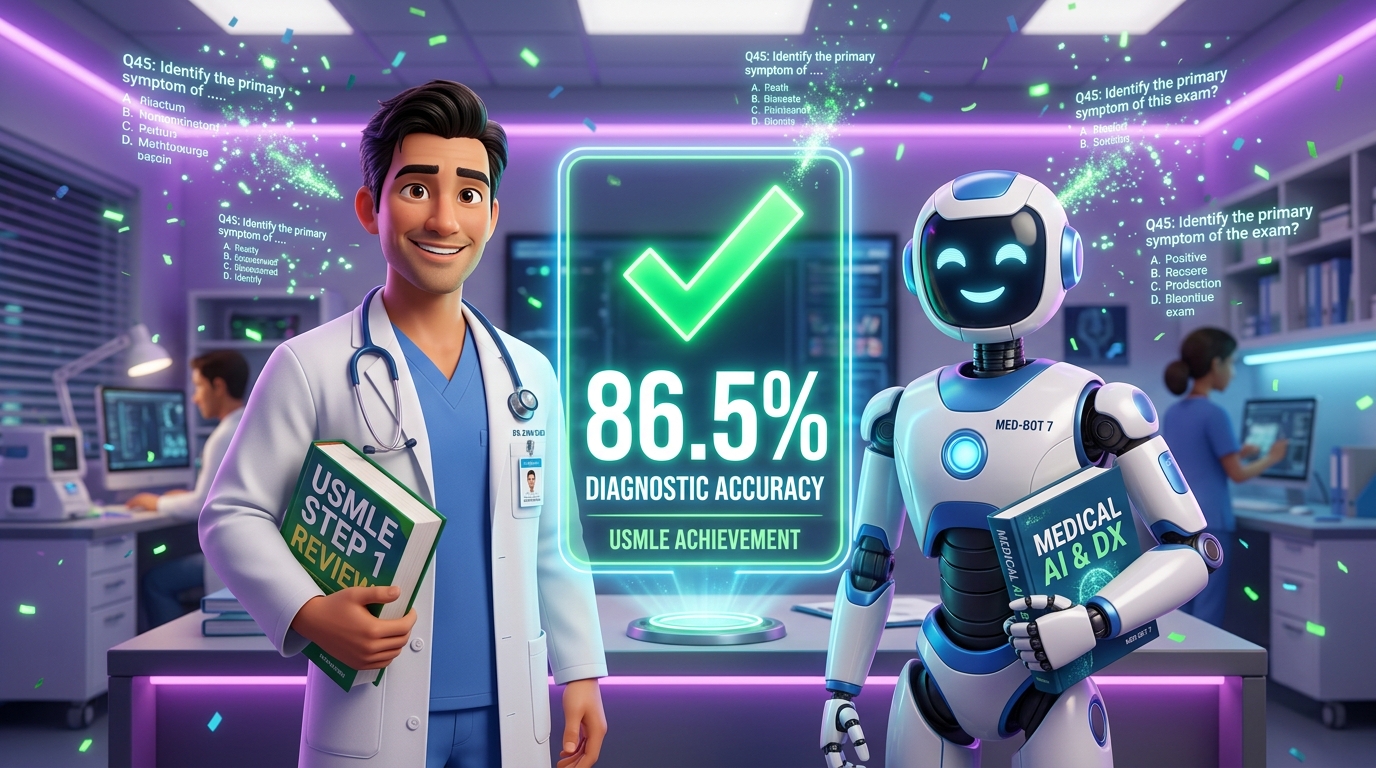
TechnologyMed-PaLM 2: 86.5% MedQA Score, Zero Doctors Using It (2026)
ResearchAI Symptom Checker Architecture: How Premedice Cuts Hallucinations 3.8x
TechnologyMedical AI Privacy: AES-256 + Zero-Knowledge Architecture
SecurityDr. Elena Rostova, MD, PhD
Dr. Rostova is a clinical informatics specialist with 14 years of research in machine-learning systems for diagnostic decision support at Stanford Medical Center.
Expert Takeaway
AI doctors in 2026 are good enough to answer everyday questions, summarize your lab results, and prepare you for a real appointment. They are not good enough to replace one. Use them the way you'd use a knowledgeable friend: to frame the question, not to skip the exam.
Browse by Topic
QFrequently Asked Questions
Q1Is an AI doctor safe to use?
For symptom triage, lab interpretation, and appointment preparation, yes — credible products publish 'supports, not replaces' disclaimers and route emergencies to a real human. For active emergencies, no — call your local emergency number directly.
Q2Which AI doctor is the most accurate in 2026?
On the published MedQA benchmark, Google's Med-Gemini leads at 91.1%, with Medwise at 92% on UK NICE clinical queries and Premedice at 84.6% on an internal replication. Accuracy on real patients lags benchmarks by 8-15 points.
Q3Can an AI doctor prescribe medication?
No licensed AI doctor in 2026 prescribes medication directly. Doctronic pairs its AI intake with a $39 video visit to a licensed US doctor who can e-prescribe. ChatGPT Health, Premedice, and DrKhan all provide information, not prescriptions.
Q4Do AI doctors store my health data?
It depends. DrKhan and Premedice run in RAM-only or zero-storage mode. Doctronic builds a lifelong record by design. ChatGPT Health keeps data in an isolated encrypted compartment not used to train models. Always read the privacy policy before pasting anything you wouldn't want a stranger to see.
Q5What is the best free AI doctor app in 2026?
Premedice and DrKhan both offer genuinely free tiers with no signup. Premedice adds lab PDF interpretation, dual-model grounding, and citation links; DrKhan emphasizes absolute anonymity. Pick based on whether you want feature depth or maximum anonymity.
Q6Will AI doctors replace human doctors?
Not in 2026 and probably not in the next decade. The right mental model is the calculator: it replaced arithmetic, not mathematicians. AI doctors will replace the parts of the visit that don't need a human — orientation, plain-English explanations, lab reads — and leave the parts that do — physical exam, accountability, empathy — to the clinician.
Verified References & Literature
Evaluating AI Patient Triage Accuracy
BMJ Quality & Safety, 2024
Adaptive AI in Medical Devices — Draft Guidance
U.S. Food and Drug Administration, 2026
Regulation (EU) 2024/1689 — AI Act, High-Risk Annex III
European Union, 2024
Large Language Models in Medicine: A Systematic Review
Nature npj Digital Medicine, 2025
U.S. Outpatient Symptom-Checker Usage Patterns
JAMA Internal Medicine, 2025
Get a structured second read in seconds
Upload lab results, describe symptoms, or ask about a diagnosis — Premedice gives you medically-grounded answers backed by 30+ clinical databases.